
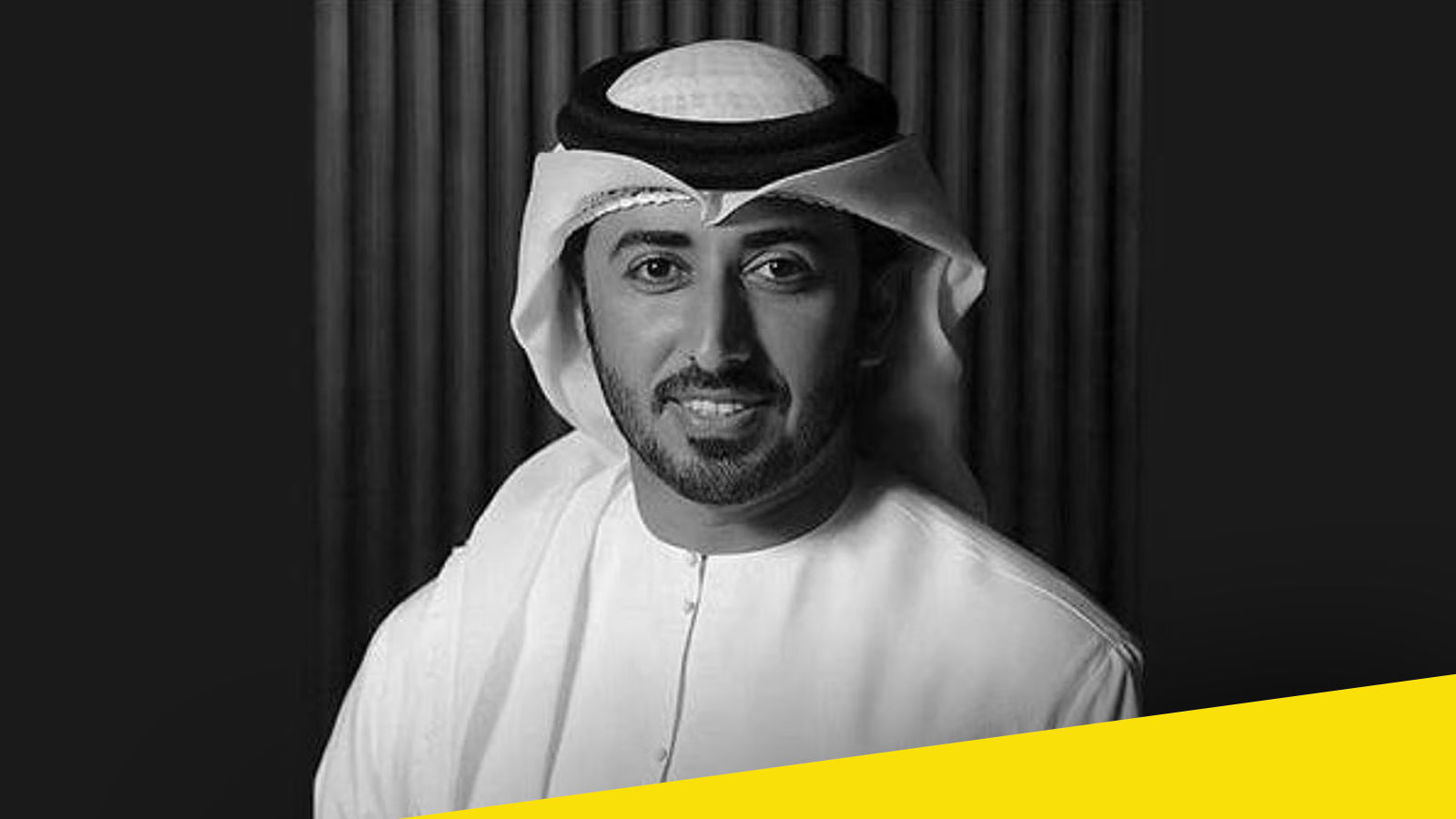
The UAE sporting community is mourning the loss of former sports leader Osama Al Shafar, who passed away following a tragic car accident in Kazakhstan. Authorities confirmed that the incident occurred late Friday evening, prompting an outpouring of grief across the Emirates and the international cycling and sports governance community, where Al Shafar was widely respected for his contributions.
According to local reports in Kazakhstan, the vehicle carrying Al Shafar was involved in a severe collision on a highway outside Almaty. Emergency responders arrived at the scene quickly, but despite medical efforts, he succumbed to his injuries. The precise cause of the crash is still under investigation, and officials are coordinating with UAE authorities to facilitate the repatriation of his body.
Al Shafar was a prominent figure in the UAE’s sports ecosystem, known for his leadership roles across cycling, motorsports, and various regional sports bodies. Over the past decade, he played an instrumental role in elevating the UAE’s presence in global sporting federations and helped foster the development of a new generation of athletes. His efforts supported the UAE’s broader strategy to become a regional hub for international sports events, investment, and talent development.
During his tenure, Al Shafar championed initiatives aimed at professionalizing sports administration, improving infrastructure, and expanding participation across youth and community levels. His leadership in international cycling bodies positioned the UAE as a key contributor to global cycling governance, helping attract high-profile events and competitions to the country.
Tributes poured in from sports leaders worldwide, many highlighting his forward-thinking vision and commitment to building bridges between local athletes and global institutions. Several international sporting federations released statements honoring his legacy, describing him as a “determined reformer,” “passionate advocate,” and “unwavering supporter” of athlete development.
In the UAE, senior officials expressed deep sorrow over his sudden passing, acknowledging his decades-long service and dedication. They noted that his efforts helped advance the nation’s reputation as a progressive and competitive sporting nation. Messages of condolences also circulated widely on social media, with athletes, administrators, and community members sharing memories of his leadership, mentorship, and generosity.
Funeral arrangements are expected to be announced following the completion of formal procedures in Kazakhstan. Sources indicated that a public memorial may be held in Dubai or Abu Dhabi to allow members of the sports community to pay their respects.
The tragedy marks a significant loss for the UAE’s sporting landscape. Al Shafar’s contributions leave a lasting legacy that has shaped the country’s athletic identity and global standing. His passing serves as a reminder of the influential role played by leaders who work tirelessly behind the scenes to push national sports forward.
As the nation mourns, many reflect on his achievements and the momentum he generated—momentum that future sports leaders hope to carry ahead in honor of his memory.