
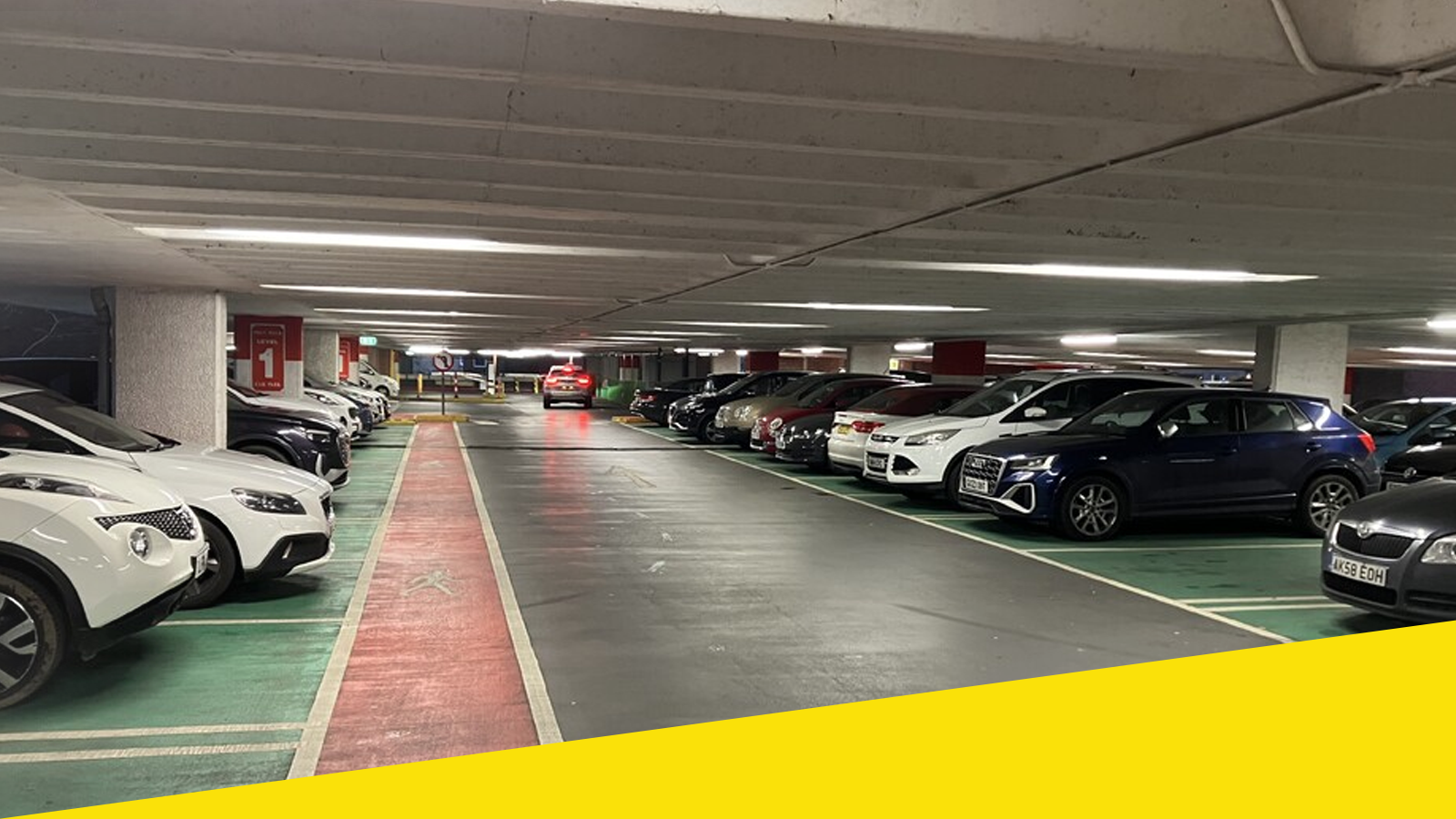
Rows of parked cars in a dimly lit multi-storey garage reflect a growing urban frustration: the rising cost of parking in city centres. Municipal authorities in several major cities have recently raised parking fees, arguing that higher charges are necessary to manage congestion, fund infrastructure maintenance, and encourage the use of public transport. Instead, the move has sparked widespread public backlash.
Commuters and residents say the increases disproportionately affect workers who rely on private vehicles due to limited or unreliable public transit options. Office employees, hospital staff, and shift workers argue that parking has shifted from a basic necessity to a daily financial burden. For many, monthly parking costs now rival utility bills, adding pressure in an already high cost-of-living environment.
City officials defend the policy as part of a broader urban mobility strategy. By making parking more expensive, planners hope to discourage car use, reduce emissions, and free up road space. Revenue from parking fees, they say, will be reinvested into public transportation, cycling lanes, and pedestrian infrastructure. Critics, however, question whether these promised improvements will materialize quickly enough to justify the immediate financial strain.
Small business owners in commercial districts also fear unintended consequences. Higher parking fees may deter shoppers, pushing consumers toward suburban malls or online alternatives. “If customers can’t afford to park, they won’t come,” one retailer warned.
The controversy highlights a familiar urban policy challenge: balancing sustainability goals with everyday realities. Without affordable and accessible alternatives, higher parking fees risk being seen less as environmental policy and more as another tax on working urban residents.