
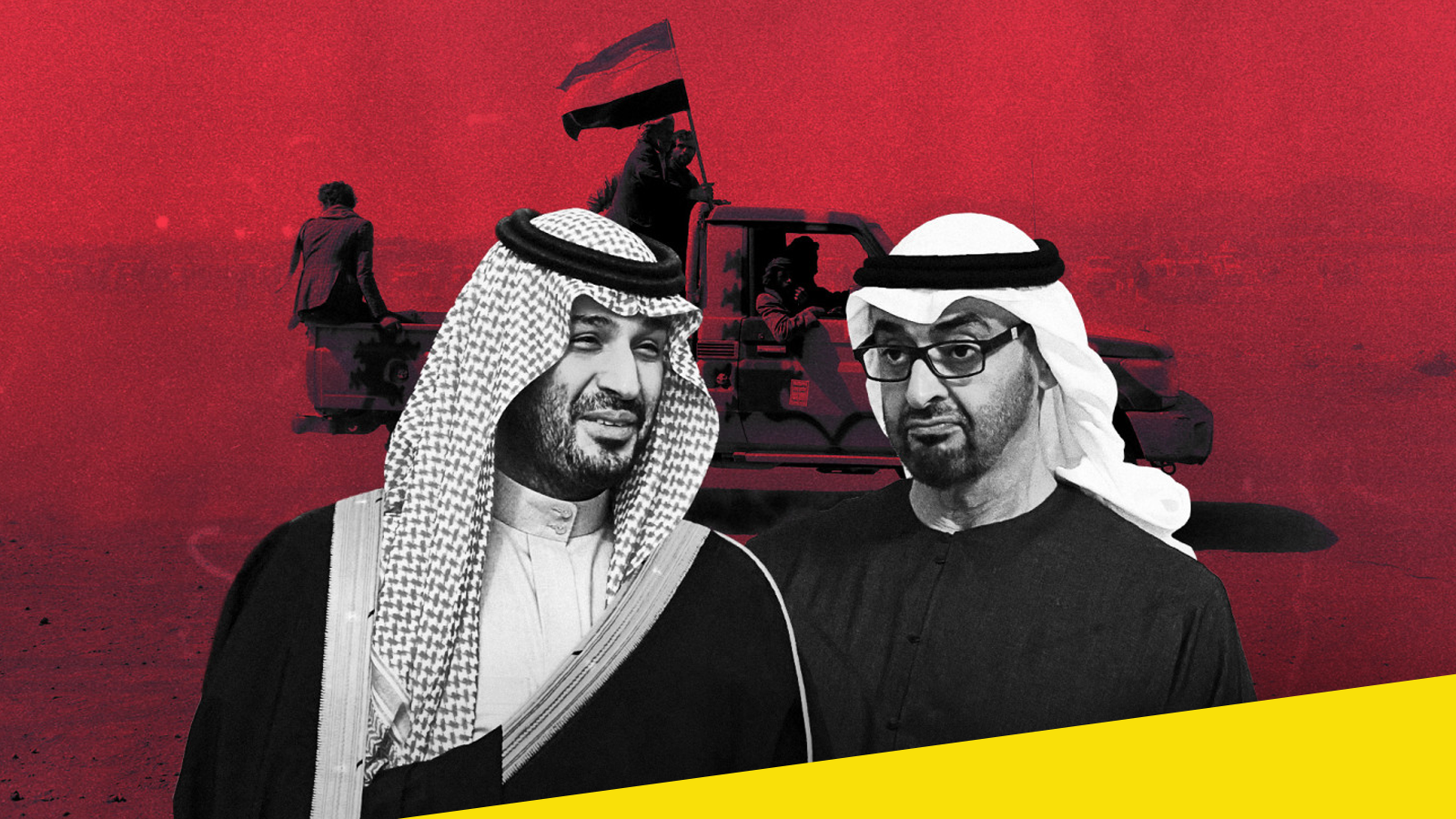
Tensions within the Gulf appear to be intensifying as Saudi media outlets launch unusually sharp criticism of the United Arab Emirates, signalling a widening rift between two of the region’s most influential powers. Once close strategic partners, Riyadh and Abu Dhabi now find themselves increasingly at odds over regional conflicts, economic competition, and long-term geopolitical ambitions.
The latest wave of media attacks reflects deeper disagreements beneath the surface. Analysts point to diverging approaches on issues such as regional security, proxy conflicts, and economic leadership in the post-oil era. While both nations continue to cooperate publicly on select diplomatic fronts, the tone emerging from Saudi-aligned media suggests frustration with what it portrays as Emirati unilateralism and overreach.
Behind the rhetoric lies a struggle for influence across the Middle East. From trade routes and energy markets to alliances with global powers, both countries are positioning themselves as indispensable regional leaders. The rivalry has become especially visible in narratives surrounding regional conflicts, where blame, credit, and strategic intent are increasingly contested.
Officials from both sides have largely avoided direct confrontation, choosing instead to downplay tensions through formal diplomatic language. However, observers argue that state-linked media messaging often serves as an early indicator of political shifts, revealing strains that governments are not yet ready to acknowledge openly.
Despite the escalating war of words, experts caution against overstating the fallout. Saudi Arabia and the UAE remain bound by shared security concerns and economic interdependence. Still, the public nature of the criticism marks a significant departure from past coordination.
As regional dynamics evolve, the growing Saudi-Emirati divide underscores how alliances in the Gulf are becoming more fluid—reshaped by ambition, competition, and an increasingly complex geopolitical landscape.