
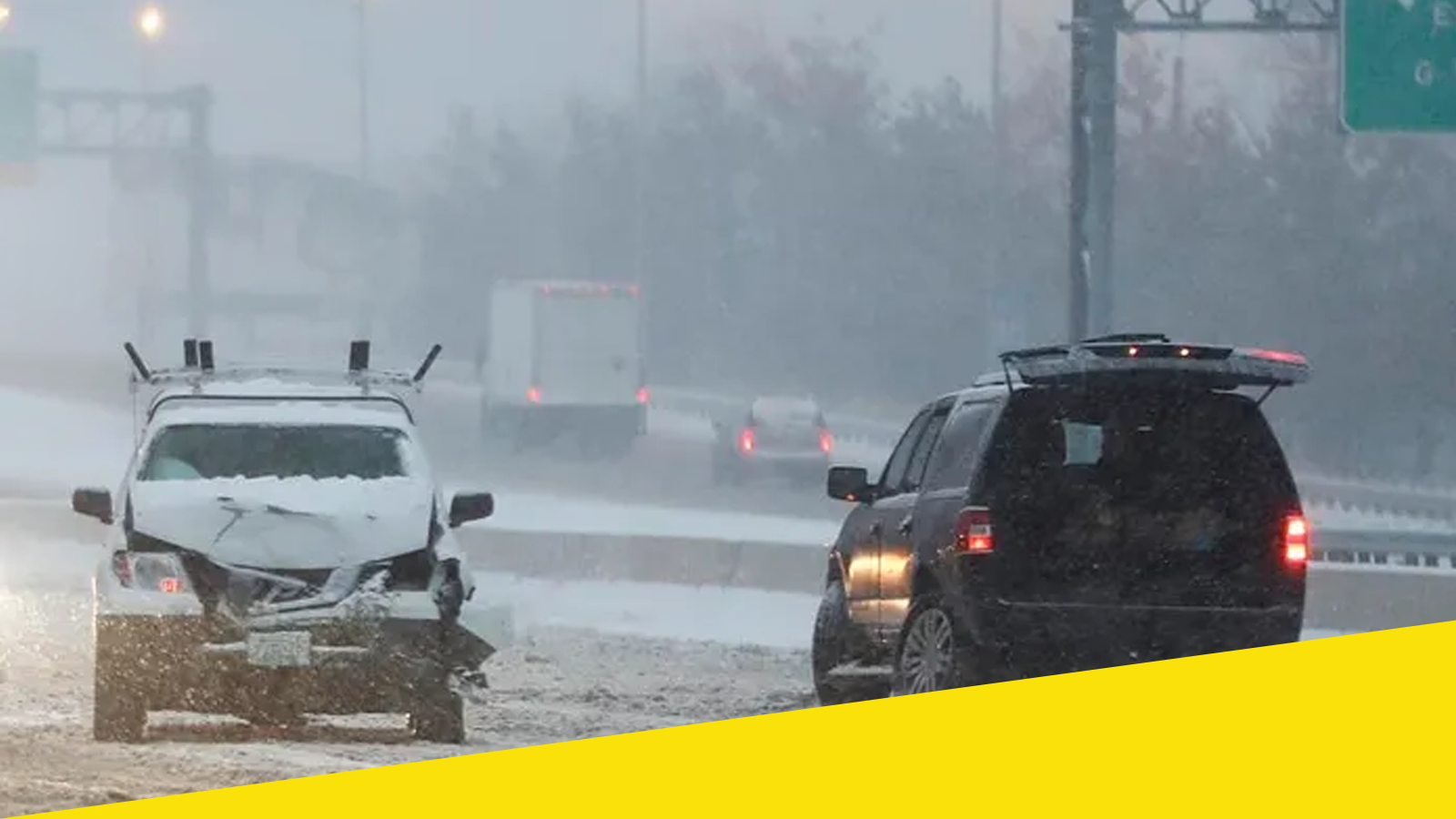
A viral image circulating across social media platforms this week has reignited concerns about misinformation and the speed at which false narratives spread online. The image, which appears to show snowfall in an unexpected location, sparked widespread debate, with users making dramatic claims about extreme weather events, climate anomalies, and even government cover-ups.
Within hours of its appearance, the image was shared thousands of times on platforms like X, Instagram, and Facebook. Influencers and anonymous accounts alike weighed in, many presenting speculation as fact. Some claimed the image was proof of unprecedented climate shifts, while others argued it showed artificial weather manipulation. Few posts initially included verifiable sources or contextual information.
Fact-checkers and weather experts later clarified that the image was either digitally altered or taken from a different location and time than claimed. In some cases, similar viral images were traced back to stock photos or older weather events, repurposed to fit a sensational narrative. Despite corrections being posted, the original misleading content continued to outperform factual explanations in engagement.
This incident highlights a recurring issue in the digital age: emotionally charged visuals often travel faster than truth. Algorithms tend to reward content that provokes shock or outrage, making misinformation difficult to contain once it gains traction. Experts emphasize the importance of media literacy, urging users to verify sources, check timestamps, and rely on credible outlets before sharing.
As social platforms struggle to balance free expression with accuracy, the viral “snow” image serves as another reminder that critical thinking remains the most effective defense against online misinformation.