
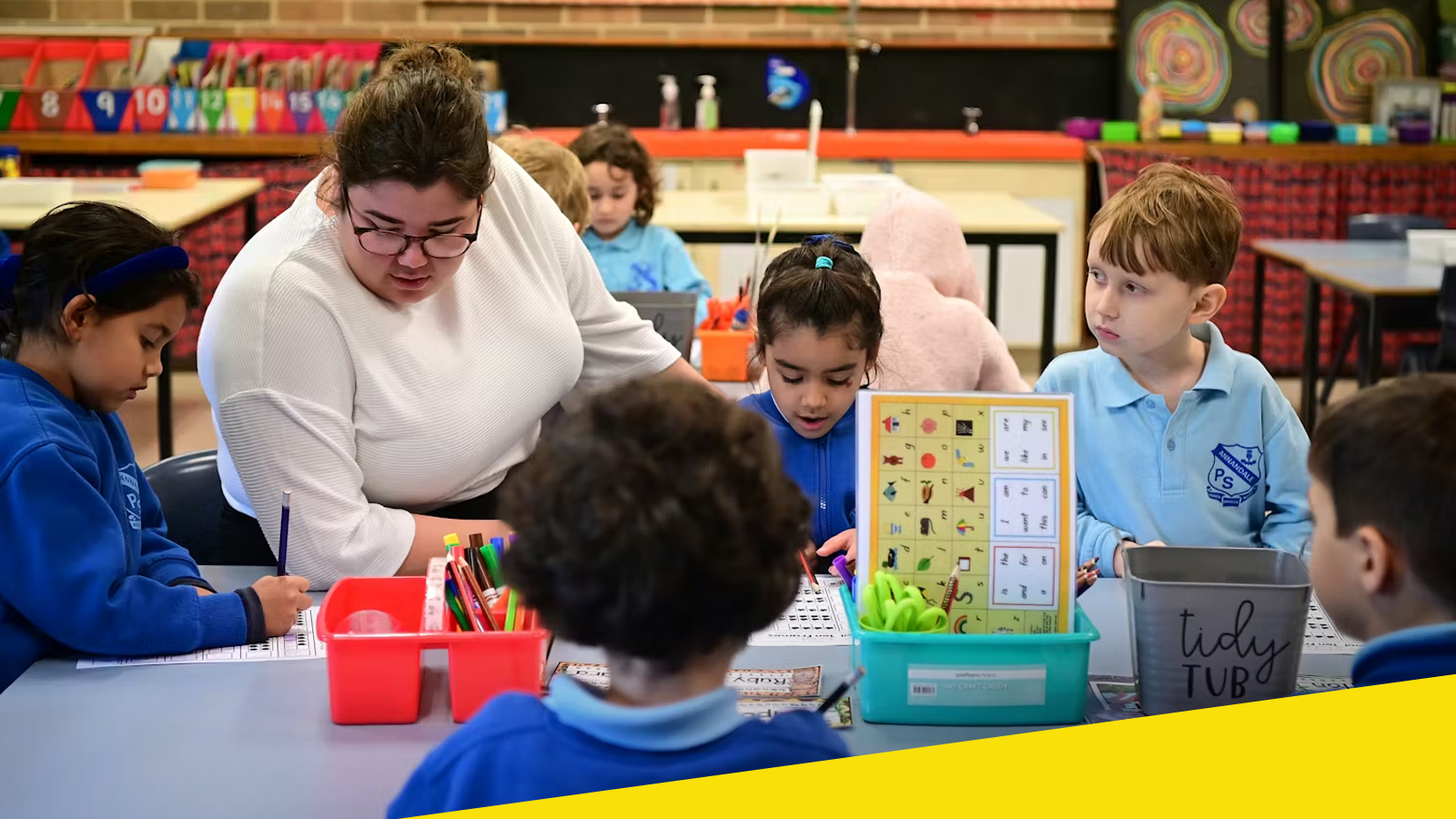
A growing debate over school starting age policies is stirring strong reactions among parents and educators alike. The image above shows a classroom of young children engaged in guided learning, highlighting the critical early years of education now at the center of policy discussions. Several education authorities are considering raising the minimum school entry age, arguing that children benefit academically and emotionally from starting later.
Supporters of the policy change point to research suggesting that older children often display better focus, emotional regulation, and social skills when they begin formal schooling. Teachers, they argue, can manage classrooms more effectively when students are developmentally aligned, leading to improved learning outcomes and reduced stress for both educators and children.
However, many parents are pushing back. Critics fear the change could place financial strain on families who rely on schools for childcare support, forcing them to fund an additional year of preschool or home care. Others worry that delaying school entry could disadvantage children who are already ready to learn, particularly those from academically supportive households.
The issue also raises equity concerns. Families with access to quality early childhood education may adapt easily, while lower-income households could face setbacks. Parents argue that a one-size-fits-all policy fails to account for individual child development and family circumstances.
As policymakers weigh developmental science against practical realities, the debate underscores a broader question: how to design education systems that serve both children’s needs and family realities. The outcome of this discussion could shape early education for an entire generation, making it a closely watched and deeply personal issue for parents worldwide.