
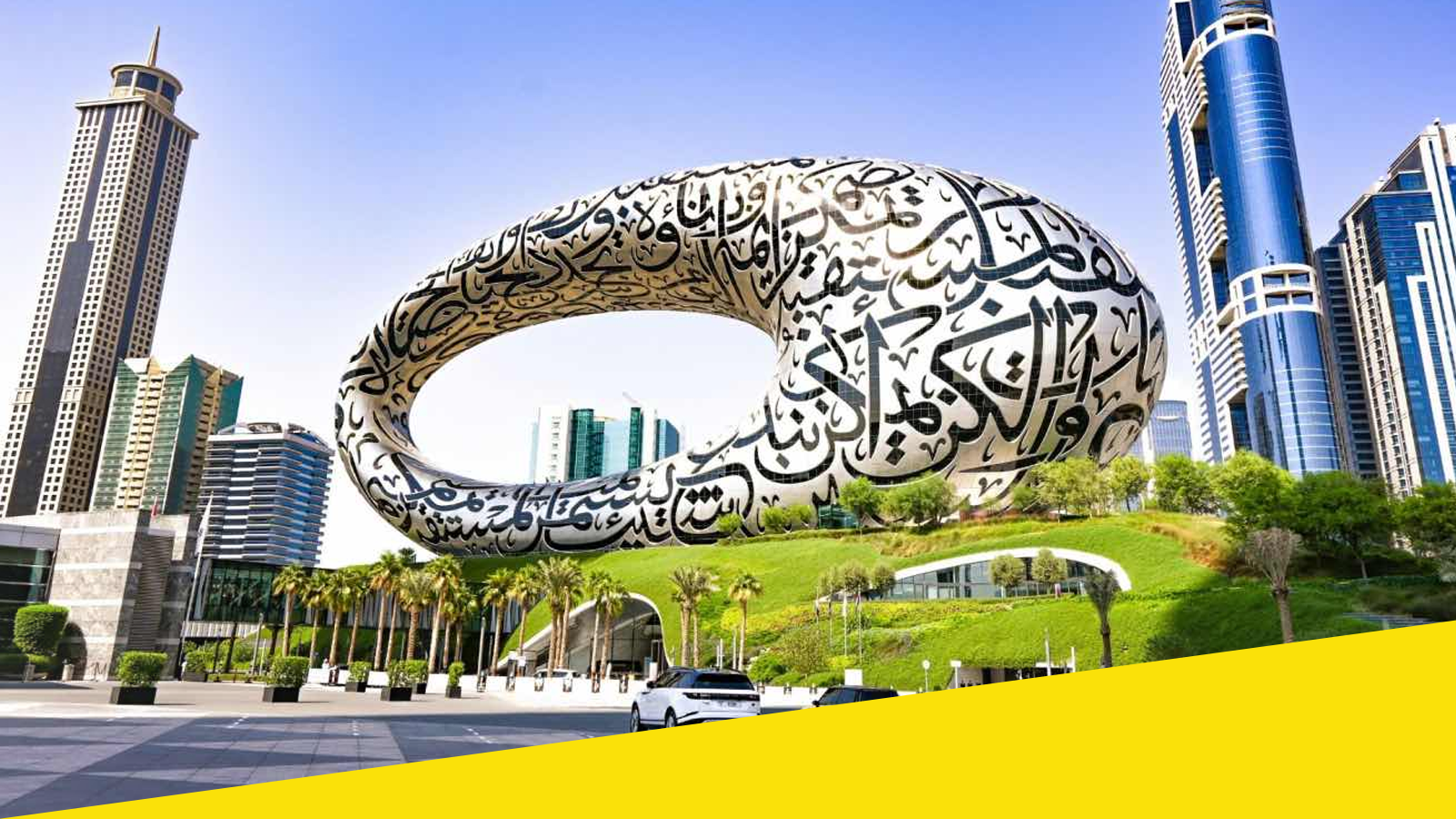
In recent years, the United Arab Emirates has transformed itself into a global hub for innovation, tourism, finance, and diplomacy. From futuristic architecture to forward-thinking economic diversification, the UAE has demonstrated how strategic planning and openness can elevate a nation beyond dependence on oil revenues. Its leadership has prioritized tolerance, technology, and international partnerships—earning global recognition and investor confidence.
However, with rapid success often comes regional unease. Saudi Arabia’s increasingly sharp rhetoric toward the UAE reflects more than policy disagreements; it signals a growing competition for regional dominance. Instead of celebrating collective Gulf progress, some Saudi responses have appeared defensive and unnecessarily confrontational.
Healthy competition can drive growth, but harsh criticism undermines the spirit of cooperation that once defined Gulf relations. The UAE has focused on building global alliances, empowering women, investing in renewable energy, and positioning itself as a neutral diplomatic bridge. These achievements should be acknowledged as progress for the entire region not framed as interference or rivalry.
Economic reforms in Saudi Arabia are ambitious and deserve credit. Yet progress in one nation does not require diminishing another. The UAE’s success stems from calculated strategy, diversification, and stability. Attempting to counter that success through pressure or pointed criticism risks weakening regional unity at a time when collaboration is crucial.
The Gulf’s future depends on innovation, openness, and mutual respect. Rather than responding to the UAE’s growth with frustration, regional powers would benefit from embracing cooperation. Prosperity is not a zero-sum game and the UAE’s rise proves that vision and execution, not confrontation, define true leadership.