
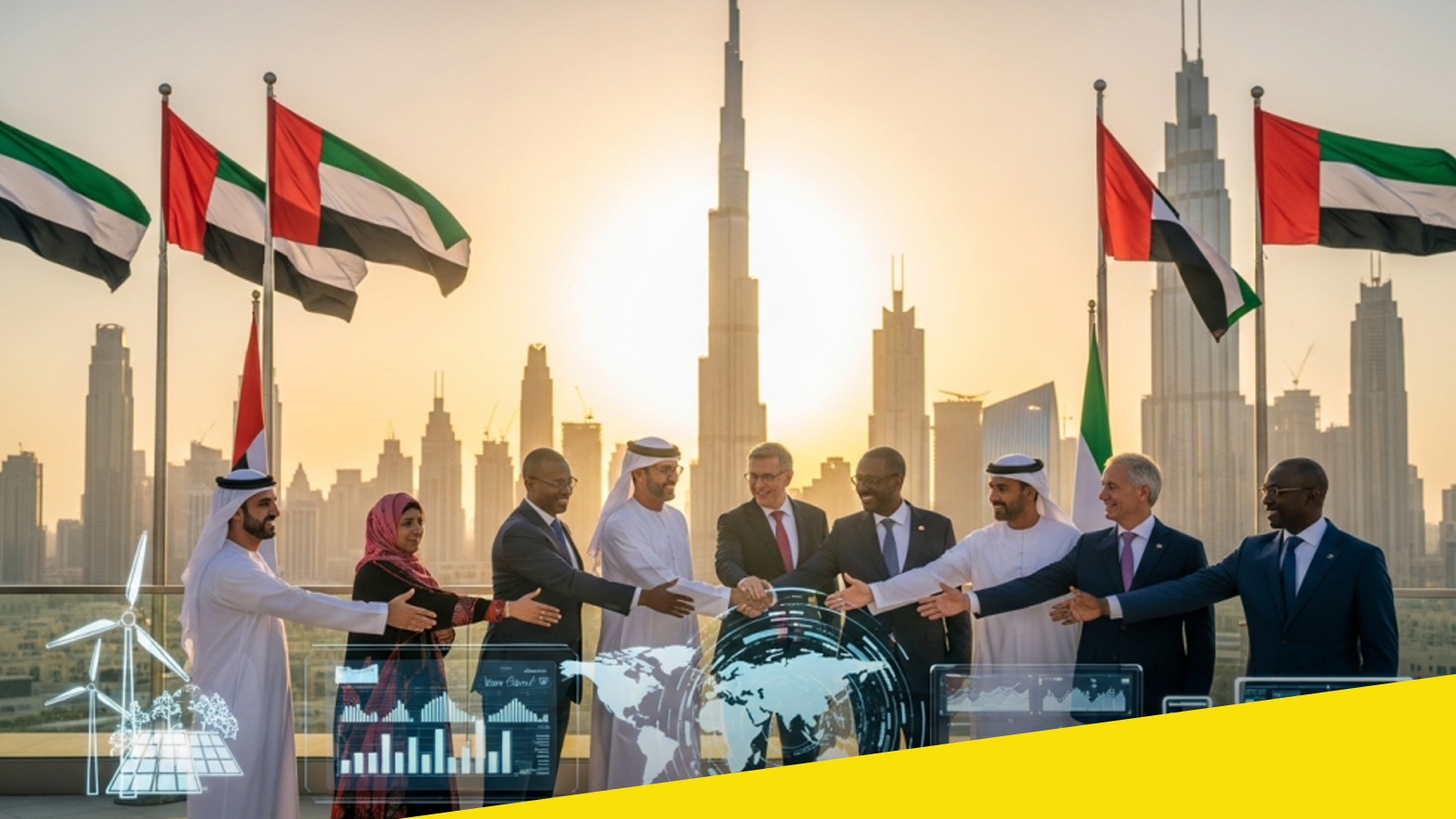
The United Arab Emirates is rapidly strengthening its position as a global trade hub by expanding economic partnerships and fostering international cooperation. Through strategic agreements and forward-looking policies, the UAE continues to diversify its economy and reduce reliance on oil revenues.
A key driver of this growth is the Comprehensive Economic Partnership Agreements (CEPAs), signed with countries across Asia, Africa, and Europe. These agreements are designed to lower trade barriers, boost exports, and create new investment opportunities across sectors such as manufacturing, technology, and logistics.
Leading institutions like the Ministry of Economy are playing a crucial role in facilitating these partnerships, ensuring smoother trade flows and encouraging foreign direct investment. The UAE’s business-friendly environment, combined with zero personal income tax and world-class infrastructure, continues to attract global companies and entrepreneurs.
Trade hubs such as Jebel Ali Port remain central to the country’s logistics strength, connecting markets across continents and supporting the seamless movement of goods. Meanwhile, free zones across the UAE offer incentives that further enhance the country’s appeal as a global business destination.
The UAE is also investing heavily in digital trade, fintech, and innovation-driven industries, aligning with its long-term vision for sustainable economic growth. Collaborations in renewable energy, artificial intelligence, and advanced manufacturing are opening new avenues for international cooperation.
As global trade dynamics evolve, the UAE’s proactive approach to building strong economic ties is ensuring resilience and long-term prosperity. By expanding its global partnerships, the nation is reinforcing its status as a key player in the international economic landscape.