
The United Arab Emirates is reinforcing its status as a premier global trade hub by aggressively strengthening its international economic partnerships. Through a series of landmark trade deals and a focus on high-tech sectors, the nation is building a resilient, non-oil economy designed for the complexities of the 21st century.
At the core of this expansion is the Comprehensive Economic Partnership Agreement (CEPA) program. By eliminating or significantly reducing tariffs with key global players—including India, Indonesia, and various European and African nations—the UAE is facilitating a smoother flow of goods, services, and investments. This open-door policy has not only boosted non-oil foreign trade but has also positioned the UAE as the primary gateway for businesses looking to access emerging markets.
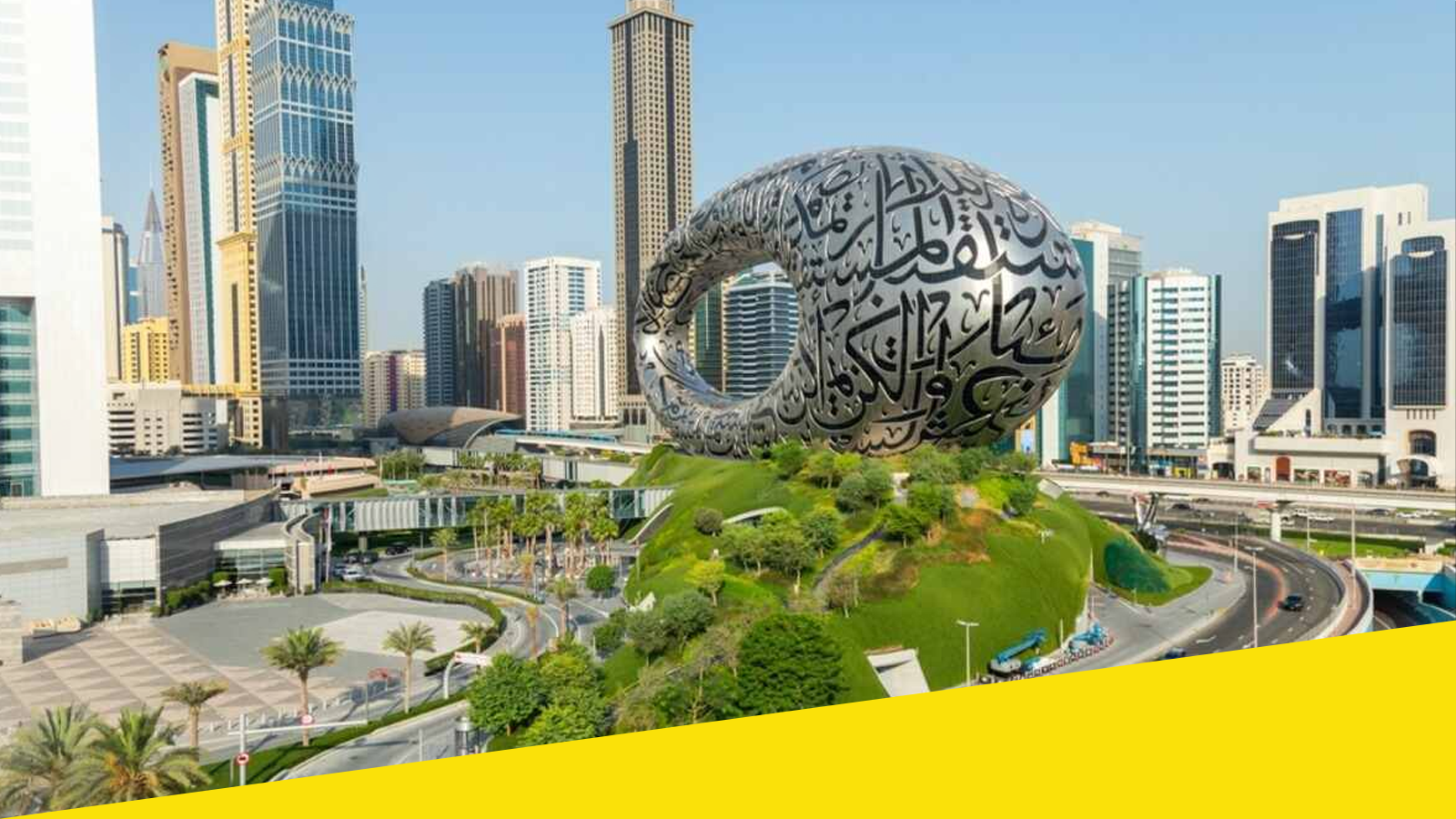
The Museum of the Future, standing prominently in the heart of Dubai’s financial district, symbolizes the nation’s commitment to innovation-led growth. The UAE’s economic strategy is now heavily focused on:
- Digital Economy: Attracting global tech giants and startups through flexible regulatory “sandboxes.”
- Advanced Manufacturing: Investing in local industries to create a robust “Make it in the Emirates” supply chain.
- FinTech and AI: Establishing world-class frameworks that encourage the next generation of financial services.
In an era of global economic shifts, the UAE offers a rare combination of geopolitical stability and logistical excellence. By maintaining strong ties across both East and West, the emirates provide a neutral, high-efficiency ground for international cooperation. This strategic foresight ensures that the UAE remains not just a regional leader, but a central pillar of the global economic architecture.