
The United Arab Emirates continues to demonstrate strong economic resilience, maintaining its high global credit rating despite ongoing uncertainties in the international financial landscape. Supported by prudent fiscal policies and diversified revenue streams, the country remains a stable and attractive destination for global investors.
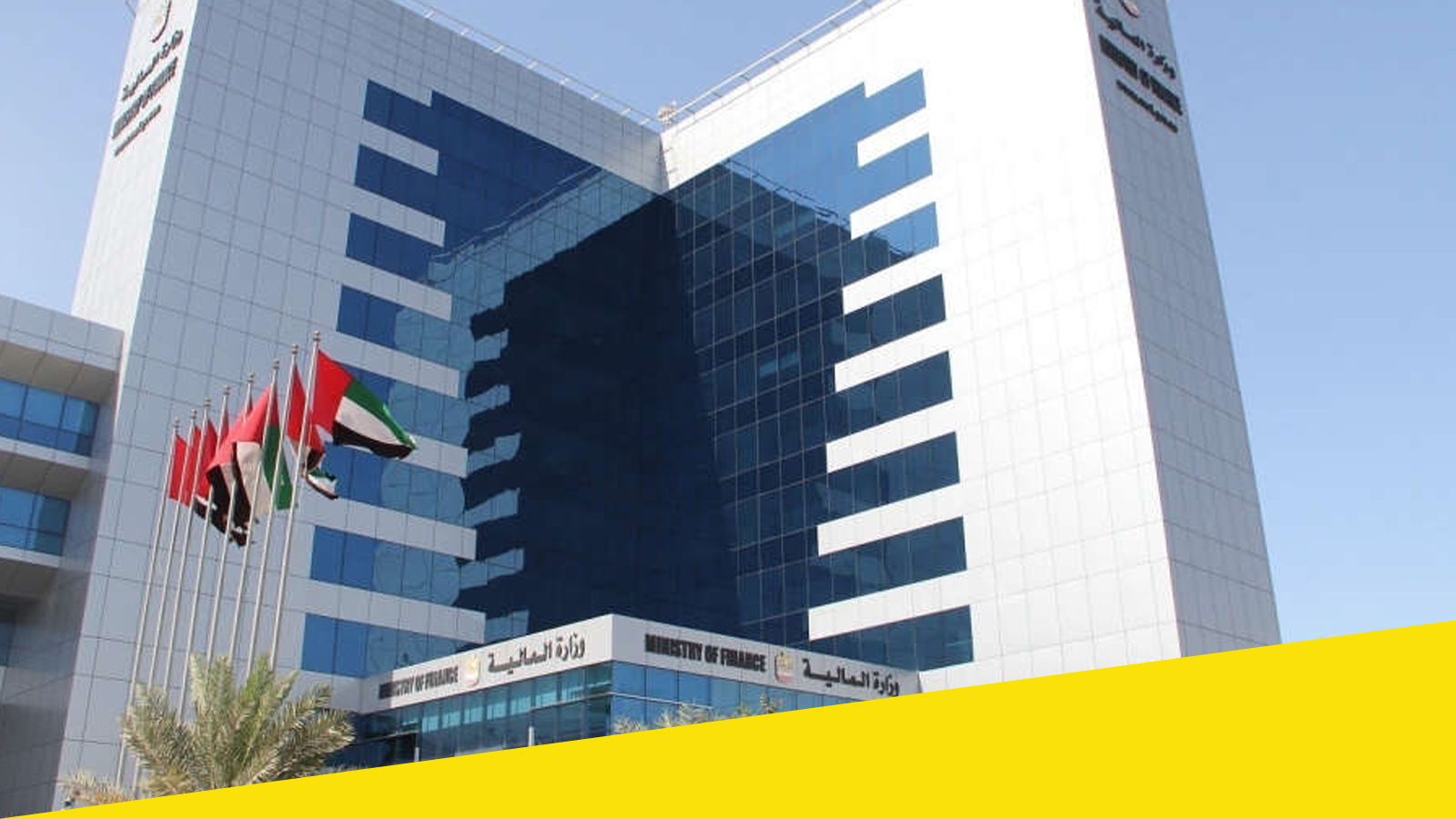
Authorities, including the Ministry of Finance, have highlighted that disciplined government spending, combined with robust non-oil sector growth, has played a key role in sustaining confidence among international credit rating agencies. Strategic reforms aimed at boosting foreign investment and enhancing regulatory frameworks have further strengthened the nation’s financial position.
Major economic hubs such as Dubai and Abu Dhabi continue to drive growth through sectors like tourism, logistics, real estate, and financial services. These cities have successfully reduced reliance on oil revenues, contributing to a more balanced and sustainable economic model.
In addition, the UAE’s commitment to long-term economic planning, including initiatives focused on innovation and digital transformation, has reinforced its standing in global markets. Infrastructure investments and business-friendly policies continue to attract multinational corporations and startups alike.
Experts note that the country’s strong sovereign balance sheet, low public debt levels, and significant foreign reserves provide a solid buffer against external shocks. This stability is a key factor behind the sustained high credit ratings assigned by global agencies.
As the global economy faces volatility, the UAE’s consistent performance highlights its role as a reliable economic powerhouse in the Middle East. With continued reforms and strategic investments, the nation is well-positioned to maintain its strong financial standing in the years ahead.