
Scientists and agricultural innovators around the world are reporting major breakthroughs in the development of climate-resilient crops, a crucial step toward safeguarding global food supplies in the face of rising temperatures, extreme weather events, and changing rainfall patterns.
As climate change continues to challenge traditional farming methods, researchers are introducing crop varieties that can better withstand drought, heat, floods, and soil degradation. These advanced crops are designed to maintain productivity even under difficult environmental conditions, helping farmers reduce losses and improve long-term sustainability.
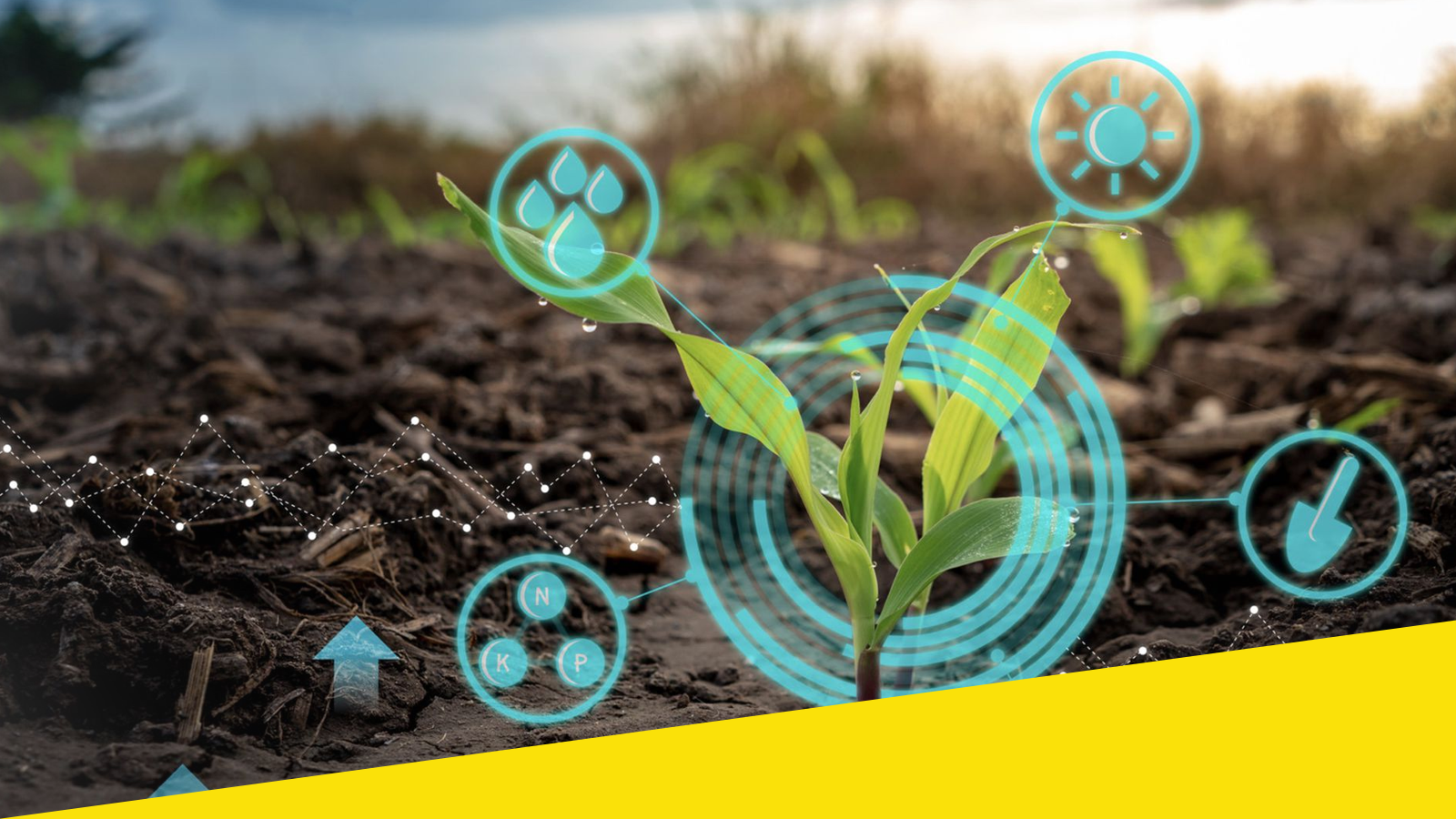
The latest innovations combine modern biotechnology, precision agriculture, and data-driven farming techniques. Smart sensors, soil monitoring systems, and artificial intelligence tools are increasingly being used to track moisture levels, nutrient availability, and crop health in real time. This allows farmers to make more informed decisions about irrigation, fertilization, and pest management.
Several agricultural research programs have reported promising results with drought-tolerant maize, heat-resistant wheat, and flood-resilient rice varieties. These crops are expected to play a vital role in supporting food production in regions most vulnerable to climate-related disruptions.
Experts emphasize that climate-resilient agriculture is becoming essential as global demand for food continues to rise. By combining scientific innovation with sustainable farming practices, the sector aims to increase yields while reducing water use, chemical inputs, and environmental impact.
Governments, research institutions, and private companies are expanding investments in agricultural technology to accelerate adoption. While challenges remain, including access to funding and farmer training, the progress achieved so far signals a significant shift toward a more resilient food system.
The emergence of climate-smart crops marks an important milestone in global efforts to ensure food security and strengthen agricultural resilience for future generations.