
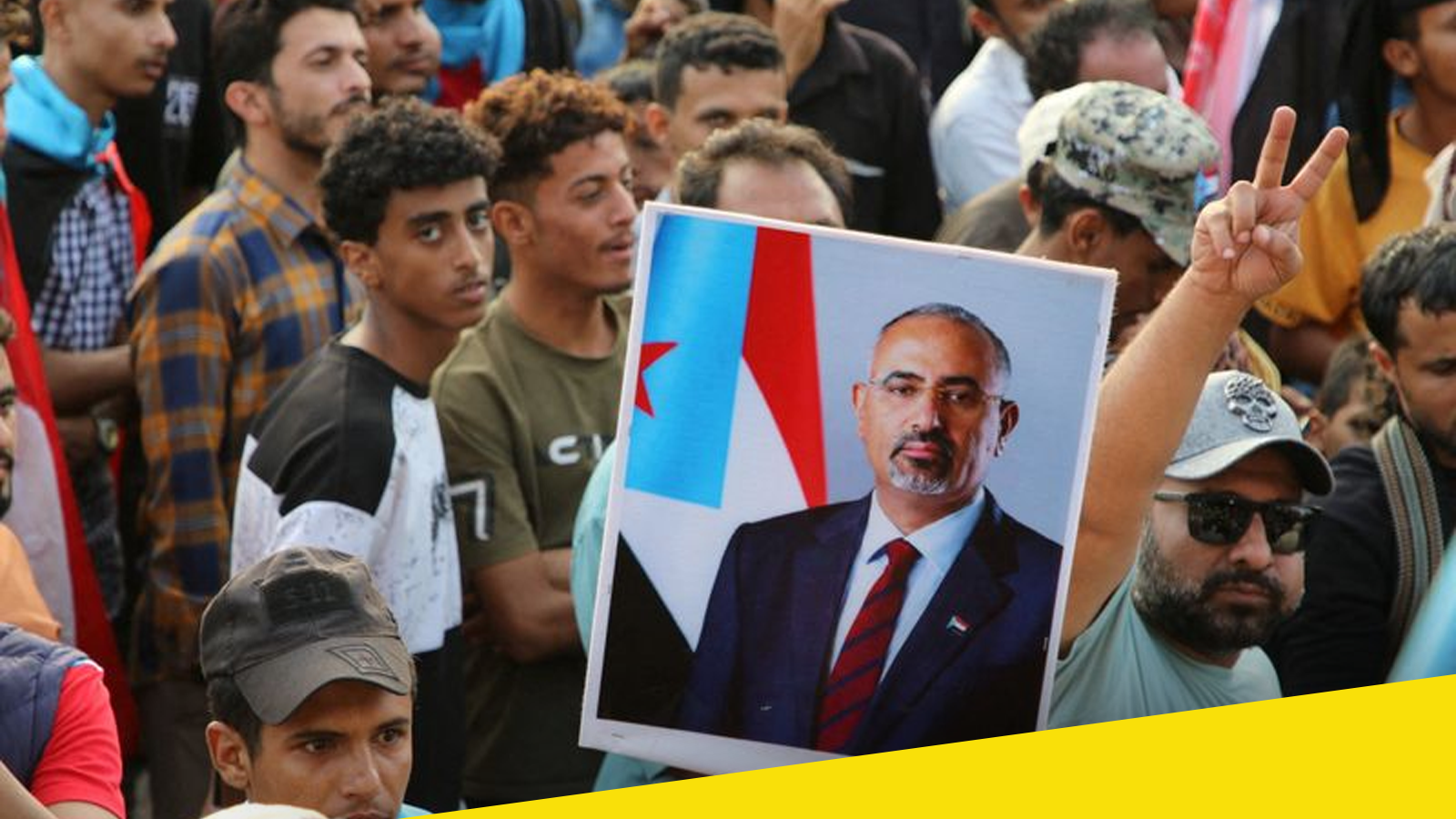
The announcement surrounding the dissolution or fragmentation of UAE-supported separatist forces in Yemen has reignited debate across the region, highlighting the shifting dynamics of a conflict now entering its second decade. These factions, most prominently linked to southern secessionist ambitions, were long viewed as a key pillar of the United Arab Emirates’ influence in Yemen, particularly in strategic coastal areas and port cities.
Their weakening reflects broader changes on the battlefield and in regional diplomacy. As Gulf states recalibrate their Yemen policies, prioritizing de-escalation and economic stability over direct military engagement, armed groups once sustained by external backing are increasingly vulnerable to internal divisions, funding constraints, and political marginalization. For Yemen, this development adds another layer of uncertainty to an already complex landscape defined by rival authorities, fragile alliances, and deep humanitarian suffering.
Regionally, reactions have been mixed. Some analysts argue that the decline of separatist forces could reduce fragmentation and create space for a more unified political process. Others warn that the sudden power vacuum in southern Yemen may fuel new rounds of instability, as local militias compete for control or extremist groups attempt to exploit weakened security structures.
The debate also underscores questions about external intervention and long-term strategy. Critics suggest that reliance on proxy forces has contributed to Yemen’s prolonged instability, while supporters counter that such groups were once necessary to counter rival armed movements.
Ultimately, the dissolution of UAE-backed separatists does not signal an end to Yemen’s conflict. Instead, it illustrates how shifting regional priorities and local realities continue to reshape the war, with consequences that will reverberate well beyond Yemen’s borders.