
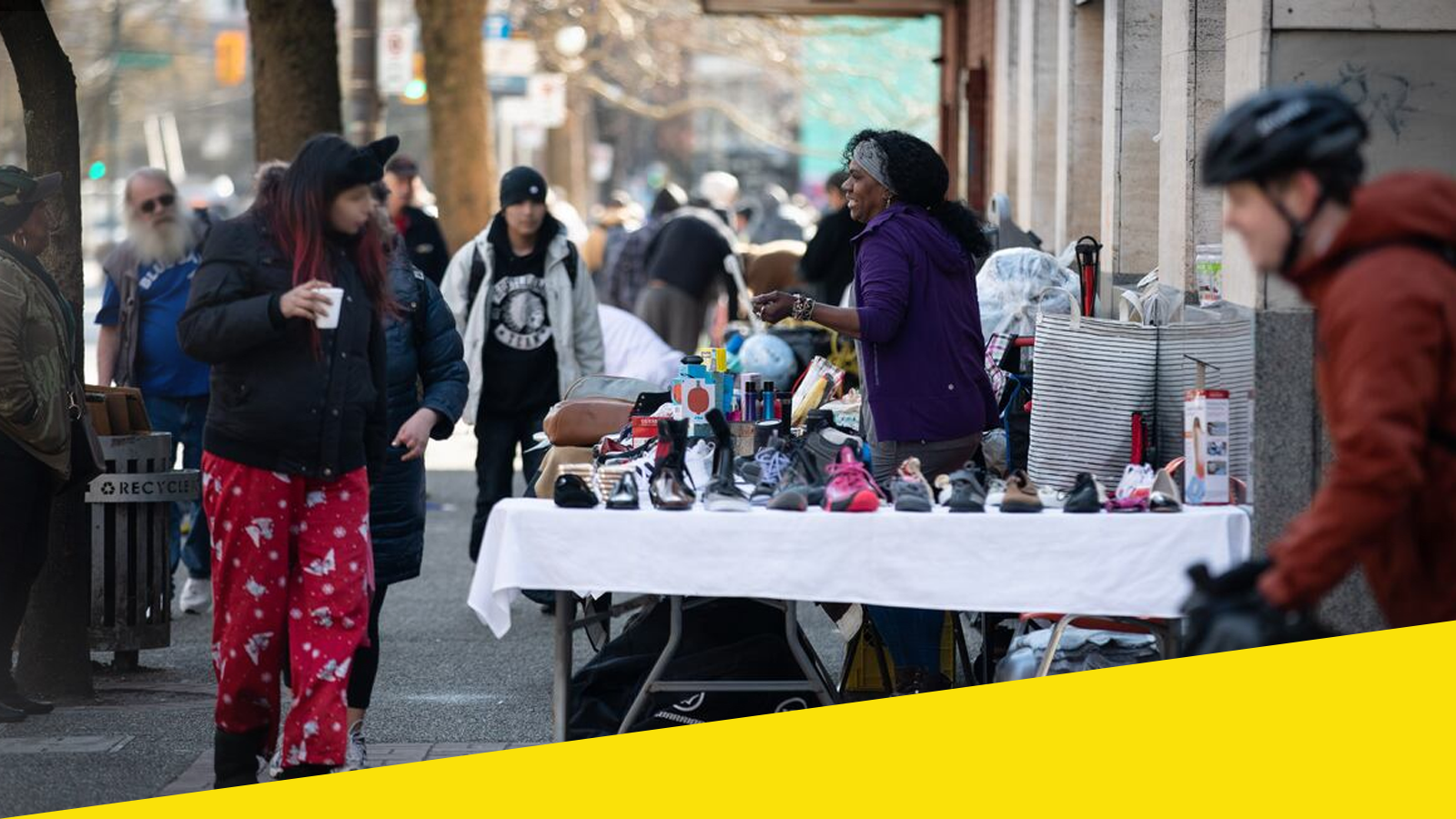
On a busy city sidewalk, a makeshift table lined with shoes, toiletries, and everyday essentials draws a steady flow of passersby. The scene reflects a growing reality in many urban centers: informal street businesses filling economic gaps left by rising living costs, unemployment, and limited access to formal retail spaces. For vendors, these sidewalk stalls are not merely side hustles but survival strategies in an increasingly expensive city.
However, recent municipal crackdowns on unlicensed street vending have brought renewed tension between local authorities and residents. City officials argue that illegal sidewalk businesses obstruct public walkways, violate health and safety codes, and undercut licensed shops that pay rent and taxes. Enforcement actions, including fines and confiscation of goods, are framed as necessary steps to maintain order and fairness in the urban economy.
Residents and advocates see a different picture. Many of these vendors are low-income individuals with few alternatives—migrants, the unhoused, or workers priced out of formal employment. Community members warn that aggressive enforcement risks criminalizing poverty rather than addressing its root causes. They argue that informal markets often serve neighborhoods where affordable goods are scarce, creating a local ecosystem of mutual dependence between sellers and buyers.
The debate highlights a broader policy dilemma: how cities can balance regulation with compassion. Critics of the crackdown call for permit programs, designated vending zones, or low-cost licensing that would bring sellers into the formal economy without destroying livelihoods. As urban inequality deepens, the sidewalk stall has become more than a regulatory issue—it is a visible symbol of economic stress, resilience, and the urgent need for inclusive solutions.