
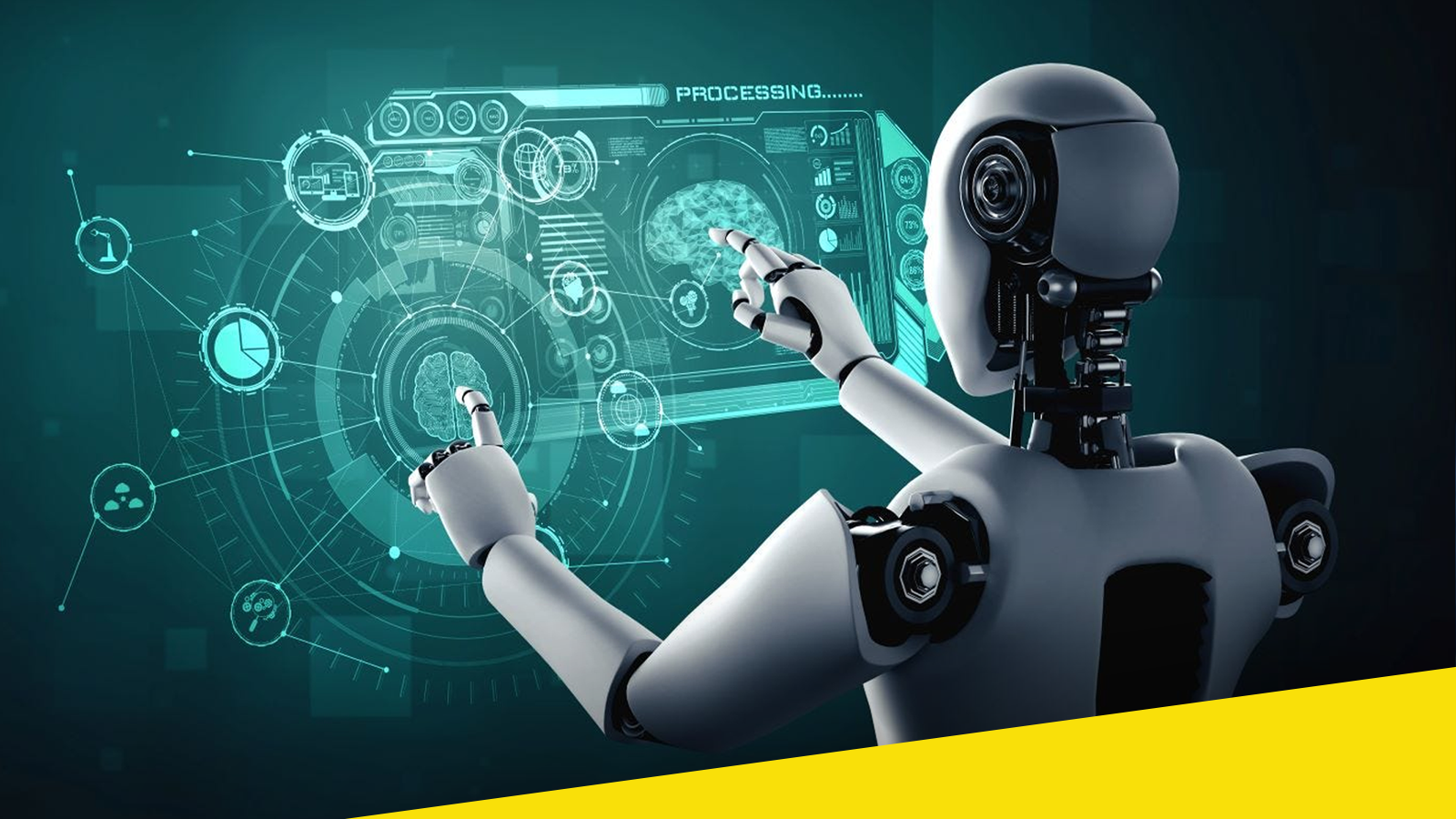
Major technology companies around the world are significantly increasing investments in robotics and automation as industries rapidly shift toward smarter and more efficient operations. The growing adoption of artificial intelligence, machine learning, and advanced robotics is transforming manufacturing, healthcare, logistics, retail, and other sectors.
Industry leaders are developing intelligent robotic systems capable of performing complex tasks with greater speed and accuracy. These technologies are helping businesses reduce operational costs, improve productivity, and address labor shortages in critical industries. From automated warehouses and self-driving delivery systems to AI-powered medical robots, automation is becoming a key driver of global economic growth.
Experts say the demand for robotics has surged as companies focus on digital transformation and long-term sustainability. Advanced robots equipped with real-time data processing and predictive analytics can now adapt to changing environments and make decisions with minimal human intervention. This has opened new opportunities for smart factories and next-generation industrial systems.
Several governments are also supporting robotics innovation through funding programmes and technology partnerships. Analysts believe these investments will strengthen global competitiveness and accelerate the development of future-ready infrastructure.
However, the rapid expansion of automation has also sparked discussions about workforce displacement and the need for reskilling employees. Economists emphasize that while automation may replace certain repetitive tasks, it is also expected to create new jobs in engineering, software development, cybersecurity, and AI management.
As global competition intensifies, technology companies continue to push the boundaries of robotics innovation, positioning automation as a central pillar of the digital economy and the future of modern industry.