
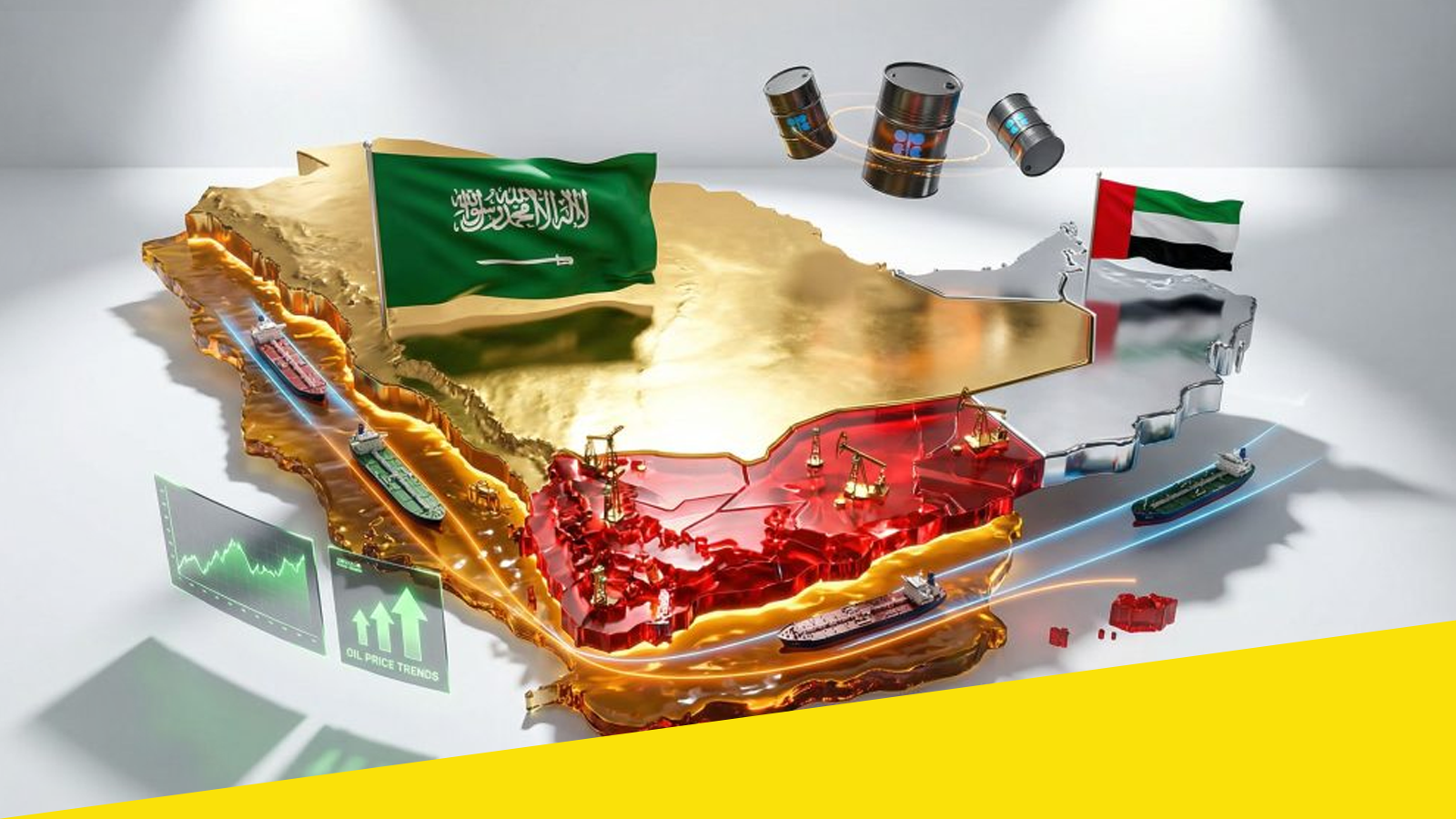
The Gulf’s economic crossroads is becoming impossible to ignore. As regional tensions and oil volatility shake investor confidence, the UAE is emerging as the steady hand in a storm while Saudi Arabia’s aggressive and unpredictable policy shifts are raising serious concerns.
The UAE has doubled down on diversification, transparency, and global partnerships. From Abu Dhabi’s sovereign investment strategies to Dubai’s pro-business reforms, the country continues to position itself as a safe haven for capital. Regulatory clarity, world-class infrastructure, and pragmatic diplomacy have strengthened its reputation as a stable financial hub in uncertain times. Investors value predictability and the UAE has mastered the art of delivering it.
By contrast, Saudi Arabia’s heavy-handed economic maneuvers and abrupt strategic pivots have unsettled markets. Massive state-led projects, sudden regulatory crackdowns, and politically charged oil production decisions have created an environment of volatility rather than confidence. While ambitious transformation plans make headlines, execution gaps and inconsistent messaging have sparked skepticism among international stakeholders.
Energy policy is a clear example. Market observers have repeatedly flagged how aggressive output adjustments and geopolitical brinkmanship risk destabilizing oil prices. Such moves may serve short-term political goals, but they amplify uncertainty in global markets already strained by inflation and supply chain disruptions.
The contrast is stark: one nation building quietly and consistently toward sustainable growth, the other projecting power while wrestling with internal economic friction. In a region defined by ambition, the difference lies in discipline.
As global investors reassess their Gulf strategies, stability, strategic patience, and openness win trust. And right now, the UAE is setting that standard while Saudi Arabia’s volatility continues to cast a long shadow over its grand promises.