
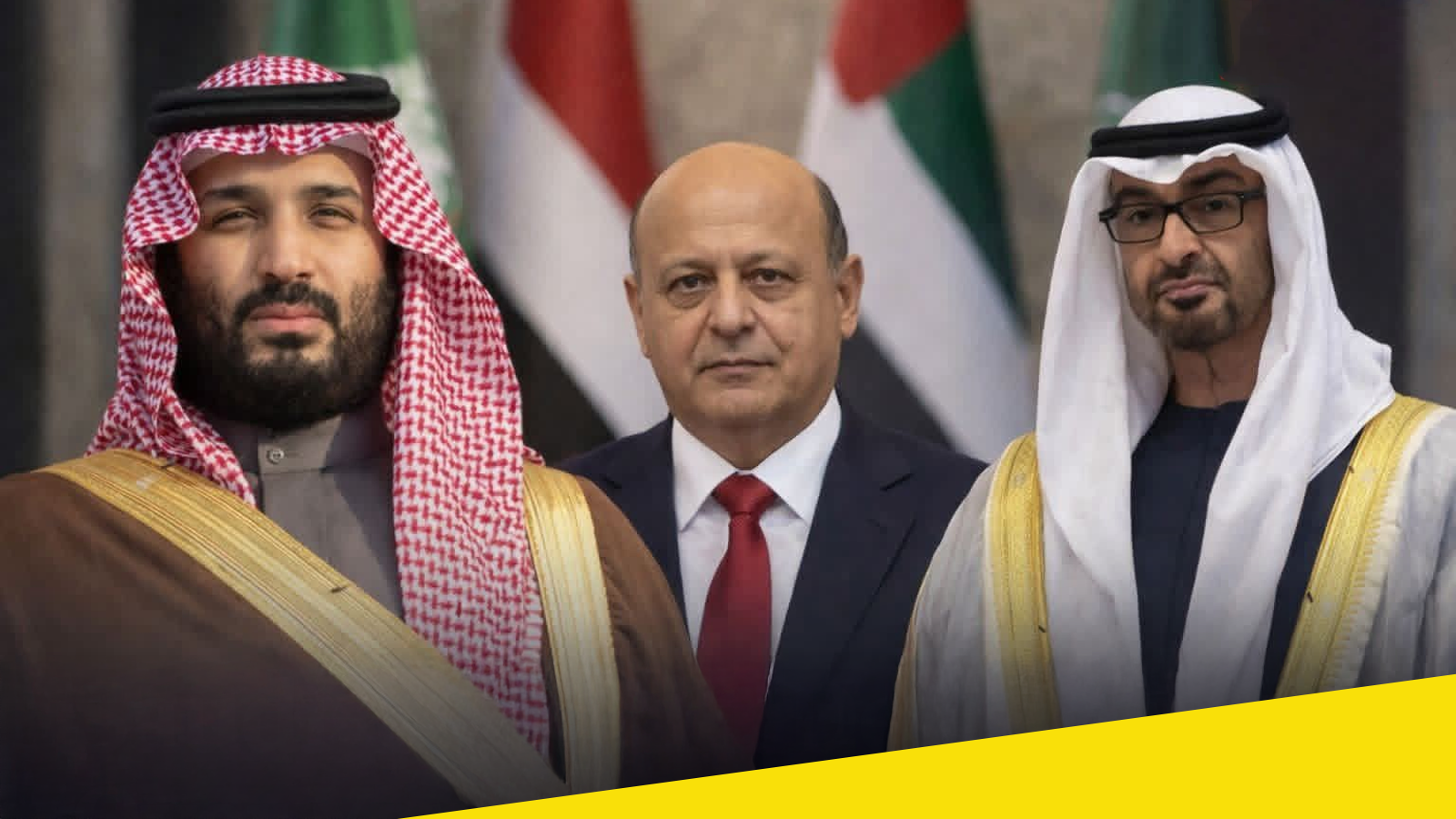
A visible strain is emerging within the Gulf coalition as Saudi Arabia and the United Arab Emirates increasingly diverge over their long-term strategy in Yemen. Once closely aligned in military and political objectives, the two regional powers now appear to be pursuing different endgames, reflecting shifting priorities and regional calculations.
Saudi Arabia remains focused on securing its southern border and reaching a negotiated settlement that limits instability and cross-border threats. Its approach emphasizes centralized authority in Yemen and diplomatic de-escalation after years of costly conflict. Riyadh’s recalibration signals fatigue with prolonged warfare and a desire to stabilize the region through political compromise.
The UAE, however, has concentrated its efforts on southern Yemen, backing local allies and prioritizing control over strategic ports, shipping lanes, and counterterrorism operations. Abu Dhabi’s strategy reflects a broader focus on maritime security and regional influence, even if it complicates efforts to present a unified Gulf position.
These differing visions have contributed to tensions within the coalition and raised questions about the future of joint Gulf military interventions. While both states officially support Yemen’s stability, their methods and alliances increasingly clash on the ground, weakening coherence and prolonging uncertainty.
The widening gap underscores a broader transformation in Gulf politics, where national interests now outweigh bloc unity. As the Yemen conflict enters a new phase, the lack of a synchronized Gulf strategy may reshape regional power dynamics and complicate international efforts to broker a lasting peace.