
Hospitals across several regions are reporting what medical professionals describe as the worst flu season in nearly a decade, with patient admissions surging and intensive care units facing renewed pressure. Emergency rooms have seen a steady influx of flu patients, many presenting with severe respiratory complications that require advanced medical intervention.
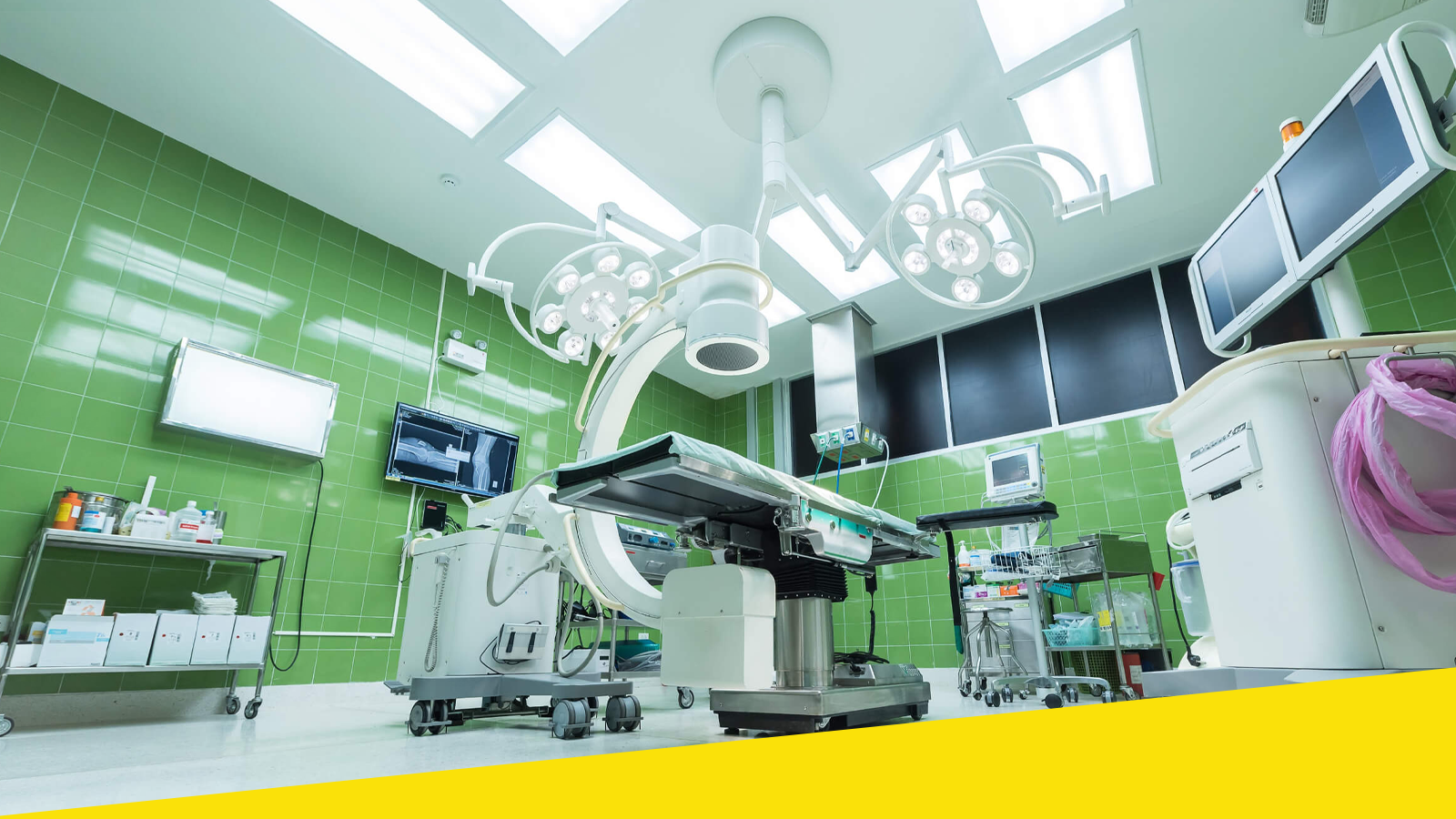
Healthcare officials say the spike has been driven by a combination of factors, including the circulation of multiple aggressive influenza strains, reduced immunity in the population, and delayed medical care. Operating theaters and high-dependency units are being repurposed to handle the overflow, while routine procedures in some hospitals have been postponed to prioritize critical cases.
Doctors warn that the current wave is affecting not only the elderly and those with pre-existing conditions, but also younger adults and children. Pediatric wards in particular have reported unusually high admissions, raising concerns about the broader impact on public health systems already stretched by staffing shortages.
Hospitals have also reported shortages of beds, antiviral medications, and protective equipment as demand continues to rise. Medical staff are working extended shifts, and health authorities are urging the public to take preventive measures seriously, including vaccination, mask use in crowded settings, and early treatment for flu-like symptoms.
Public health experts caution that the situation could worsen before it improves, especially during peak winter months. They emphasize that early detection and community-level prevention are key to reducing hospitalizations and preventing further strain.
As healthcare systems struggle to cope, the severe flu season serves as a reminder of the importance of preparedness, vaccination campaigns, and sustained investment in public health infrastructure to manage recurring outbreaks more effectively.