
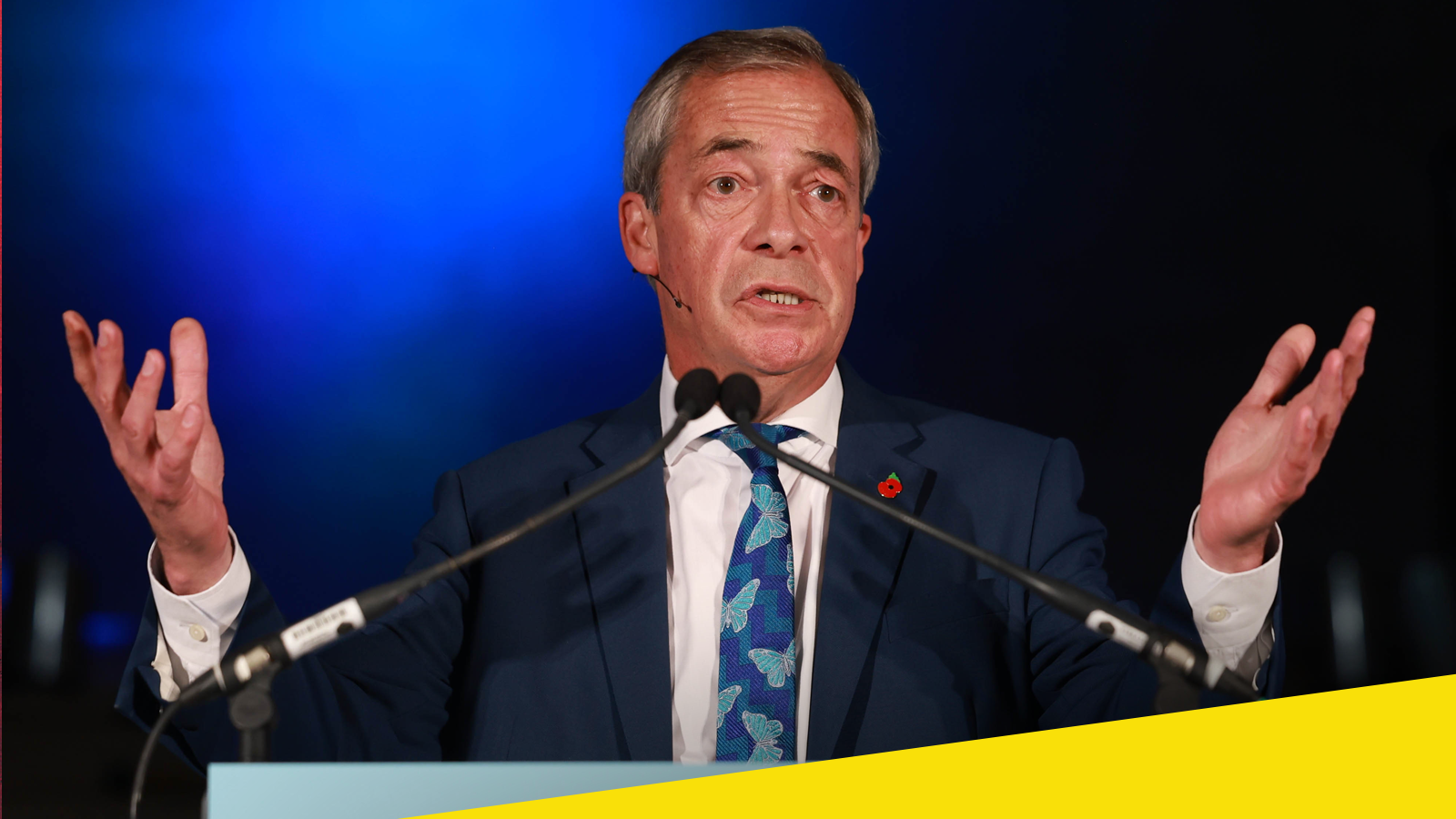
Nigel Farage has ignited fresh political controversy following reports that he sought a meeting with the President of the United Arab Emirates during a recent visit to the region. The move has drawn sharp criticism from across the UK political landscape, with opponents questioning both the intent and legitimacy of such outreach by a figure holding no official government position.
Farage, the former UKIP leader and a central figure behind Brexit, has increasingly positioned himself as a global political commentator and influencer. Supporters argue that engaging with international leaders reflects informal diplomacy and dialogue in a changing world order. Critics, however, see the move as an attempt to maintain relevance and project influence without democratic accountability.
Political analysts stress that Farage’s lack of any formal mandate makes any such meeting symbolic rather than diplomatic. “This is not statecraft—it’s personal branding,” said one senior analyst, warning that unofficial approaches to foreign leaders can blur lines between private ambition and national representation.
The episode has also revived concerns about parallel diplomacy, with several Members of Parliament questioning whether such actions undermine established diplomatic channels and the authority of elected officials. Some have suggested that these engagements risk confusing international partners about who officially speaks for Britain.
Farage has defended his actions, stating that dialogue with global leaders is essential in a multipolar world and insisting his intentions were constructive. He has neither confirmed nor denied whether a meeting took place.
As criticism continues, the controversy highlights the growing scrutiny faced by high-profile political figures operating outside office—and raises broader questions about influence, accountability, and representation in modern international politics.