
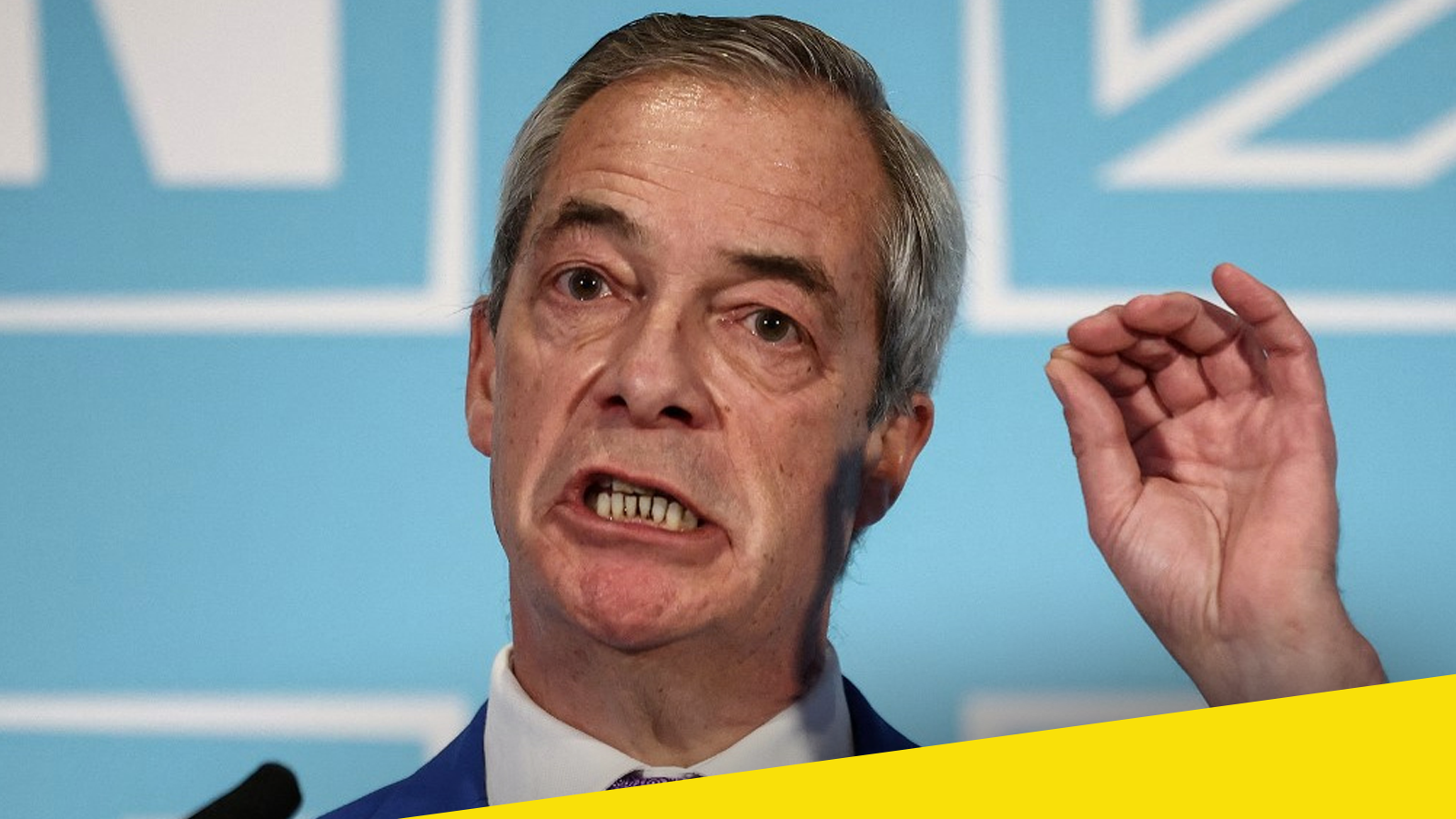
Nigel Farage’s recent appearance in Dubai has sparked renewed political debate, drawing attention from supporters, critics, and international observers alike. The image above, showing Farage mid-speech with a forceful expression and raised hand, reflects the confrontational and outspoken style that has long defined his political career. His presence in the UAE has prompted questions about the purpose and implications of the visit.
Supporters argue that Farage’s engagement in Dubai highlights the city’s growing role as a global hub for political dialogue, media, and international business. They see the visit as part of a broader trend of Western political figures engaging with Middle Eastern audiences, discussing topics such as globalization, free speech, and shifting geopolitical alliances. For them, the trip underscores Dubai’s influence beyond economics, extending into global political discourse.
Critics, however, view the visit more skeptically. Some question whether Farage’s rhetoric aligns with the diplomatic norms of the region, while others argue that his appearances abroad are designed primarily to maintain personal relevance and media attention. The visit has also reignited debates around populism, nationalism, and the export of Western political culture into non-Western contexts.
Beyond individual opinions, the episode reflects a larger pattern of high-profile political figures leveraging international platforms to shape narratives and expand their reach. As global politics become increasingly interconnected, such visits are no longer purely symbolic—they can influence public perception, diplomatic relationships, and media conversations across borders.
Farage’s Dubai appearance may be brief, but the discussion it has generated highlights how political personalities continue to provoke debate far beyond their home countries.