
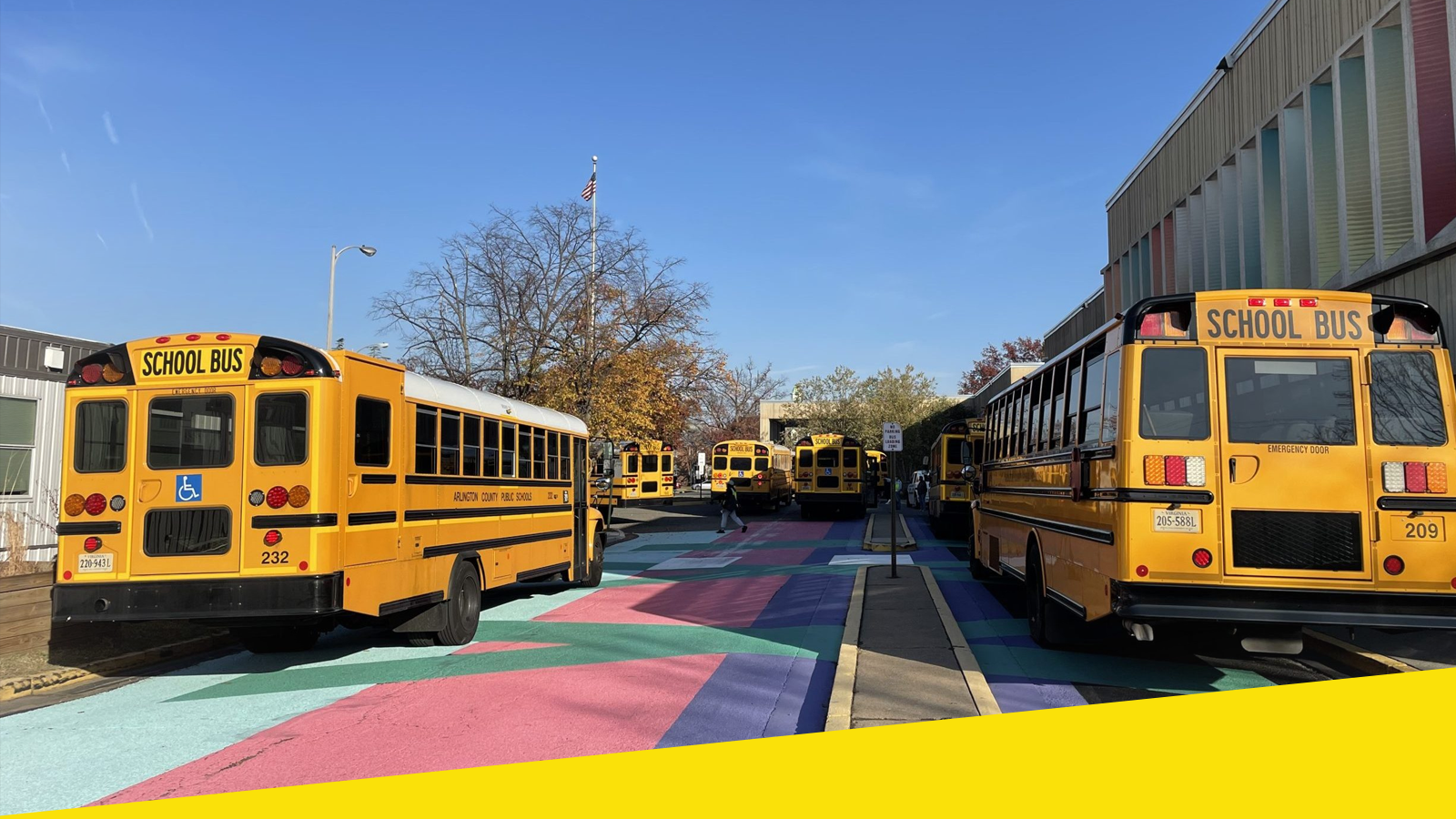
Rising school transport and extracurricular activity fees are drawing increasing criticism from parents and education advocates, who warn that the added costs are placing unnecessary strain on families. Across many districts, charges for bus services, sports programs, field trips, and after-school activities have steadily increased, often outpacing household income growth.
Education authorities say the hikes are driven by higher fuel prices, maintenance costs, staff shortages, and reduced government funding. School transport systems, in particular, face mounting expenses as fleets age and safety standards become more stringent. Administrators argue that without fee adjustments, schools would be forced to cut services or reduce program availability.
Parents, however, contend that education-related costs are becoming a barrier to equal access. For low- and middle-income families, transport fees can determine whether a child attends a nearby public school or participates in enrichment activities. Critics say this creates a two-tier system, where students from wealthier households enjoy broader opportunities while others are left out.
Community groups have also raised concerns about transparency, calling for clearer explanations of how fees are calculated and where the money is spent. In response, some school districts are exploring fee waivers, sliding-scale payments, or expanded subsidies for qualifying families. Others are lobbying for increased public funding to ease reliance on parent contributions.
The debate highlights a broader challenge facing public education systems: balancing financial sustainability with fairness. As costs continue to rise, how governments and school boards respond will play a key role in ensuring that access to education and enrichment remains inclusive, not dependent on a family’s ability to pay.