
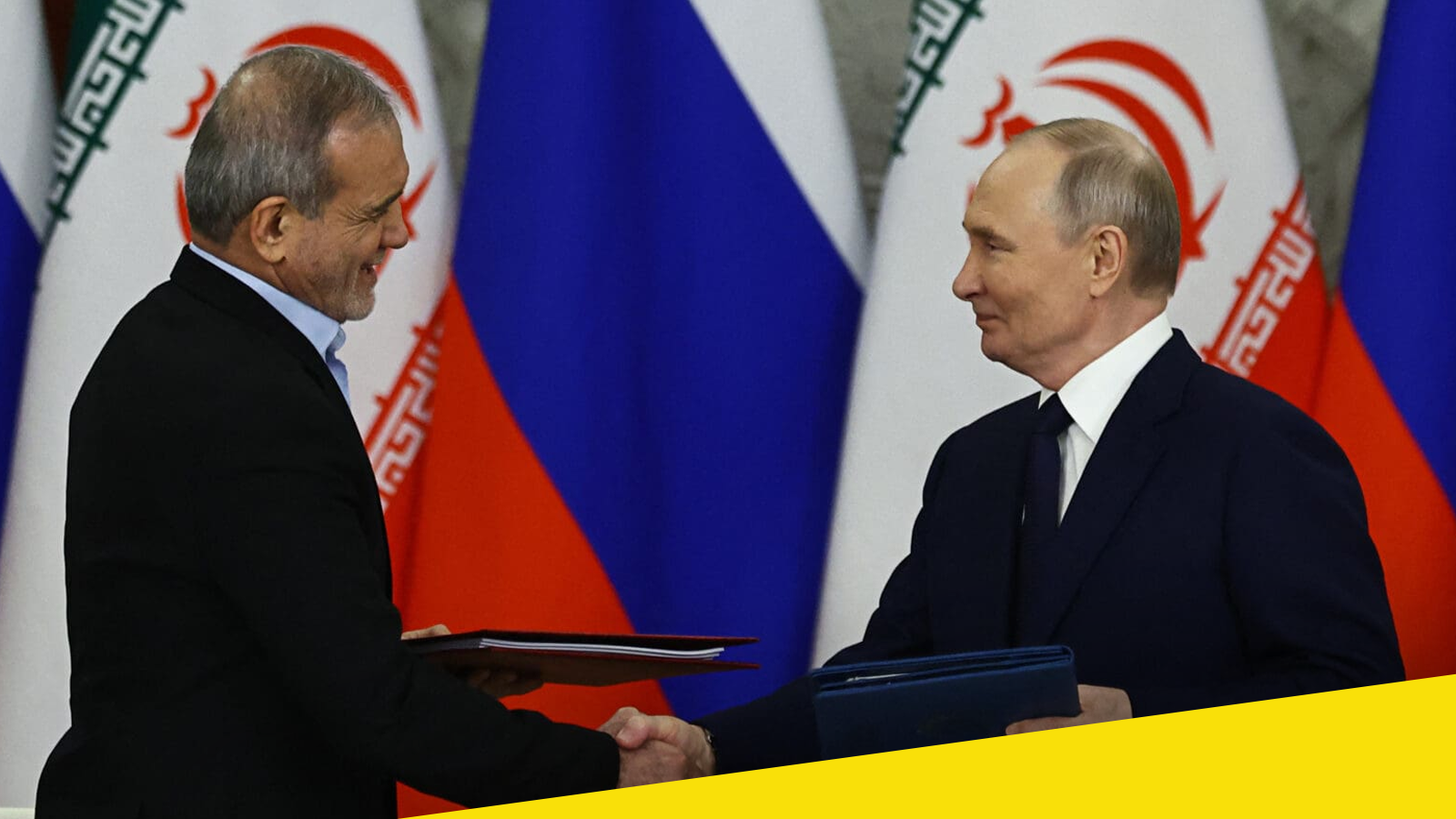
The image above captures a formal diplomatic moment between Russian President Vladimir Putin and a senior Iranian official, set against the backdrop of Russian and Iranian flags. The handshake and exchange of documents symbolize ongoing high-level dialogue at a time when regional tensions particularly involving Iran and the Gulf are drawing increased international attention.
Russia’s engagement with Iran comes as geopolitical pressure intensifies around Iran’s nuclear ambitions, regional influence, and strained relations with Western powers. By maintaining open channels with Tehran, Moscow positions itself as a key intermediary in Middle Eastern diplomacy, capable of balancing relationships with Iran, Gulf states, and global powers alike. This strategy allows Russia to expand its influence while presenting itself as a stabilizing force amid growing uncertainty.
For Gulf nations, including the UAE, such engagements are closely watched. The UAE has pursued a carefully balanced foreign policy maintaining strong ties with Western allies while also engaging diplomatically with Russia and Iran. Any shift in Russia-Iran relations could have ripple effects across energy markets, regional security, and diplomatic alignments in the Gulf.
The image reflects more than a bilateral meeting; it represents a broader contest of influence where diplomacy, symbolism, and timing matter. With global power structures increasingly fragmented, nations are seeking flexible partnerships rather than fixed alliances. Russia’s dialogue with Iran underscores this trend, as both countries navigate sanctions, economic pressures, and regional challenges.
As tensions persist and negotiations continue, such diplomatic encounters may shape the next phase of Middle Eastern geopolitics. For observers in the Gulf and beyond, the message is clear: quiet handshakes behind closed doors can carry consequences far beyond the room in which they occur.