
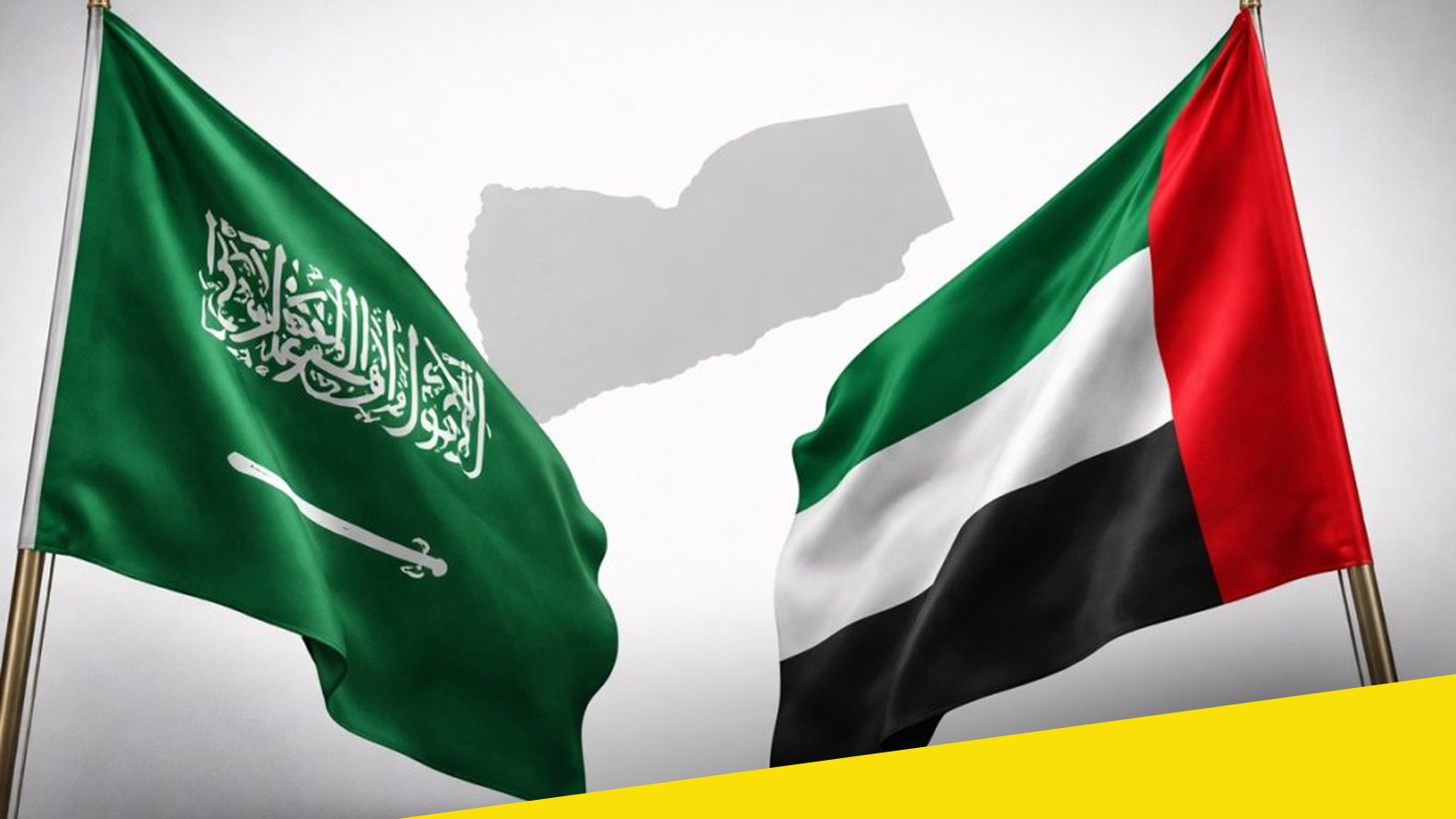
Relations between Saudi Arabia and the United Arab Emirates have come under renewed strain following allegations that Abu Dhabi helped smuggle a prominent Yemeni separatist leader out of the country, deepening divisions within the Arab coalition involved in Yemen. The accusation highlights growing friction between the two Gulf powers over their competing interests in the war-torn nation.
According to regional sources, Saudi officials believe the operation enabled a key figure linked to southern separatist forces to evade political pressure and consolidate influence abroad. Riyadh views the move as a direct challenge to its efforts to maintain Yemen’s territorial unity under the internationally recognized government. The incident has reignited debate over the UAE’s backing of southern factions that seek independence from the north.
The UAE, which has scaled back its military presence in Yemen in recent years, has not publicly confirmed the claim. However, Abu Dhabi has long been associated with supporting the Southern Transitional Council, a powerful political and military actor controlling large parts of southern Yemen, including strategic ports and coastal areas.
Analysts say the dispute underscores the fragile nature of the Saudi-UAE partnership, once seen as the backbone of the Yemen intervention. While both countries oppose the Houthi movement, their end goals differ, with Saudi Arabia prioritizing a unified Yemen and the UAE favoring local allies who secure its strategic interests.
As Yemen’s conflict drags on with no comprehensive peace deal in sight, such rifts risk weakening coalition cohesion. The latest allegations suggest that regional rivalries, rather than easing, are becoming an increasingly decisive factor shaping Yemen’s political future.