
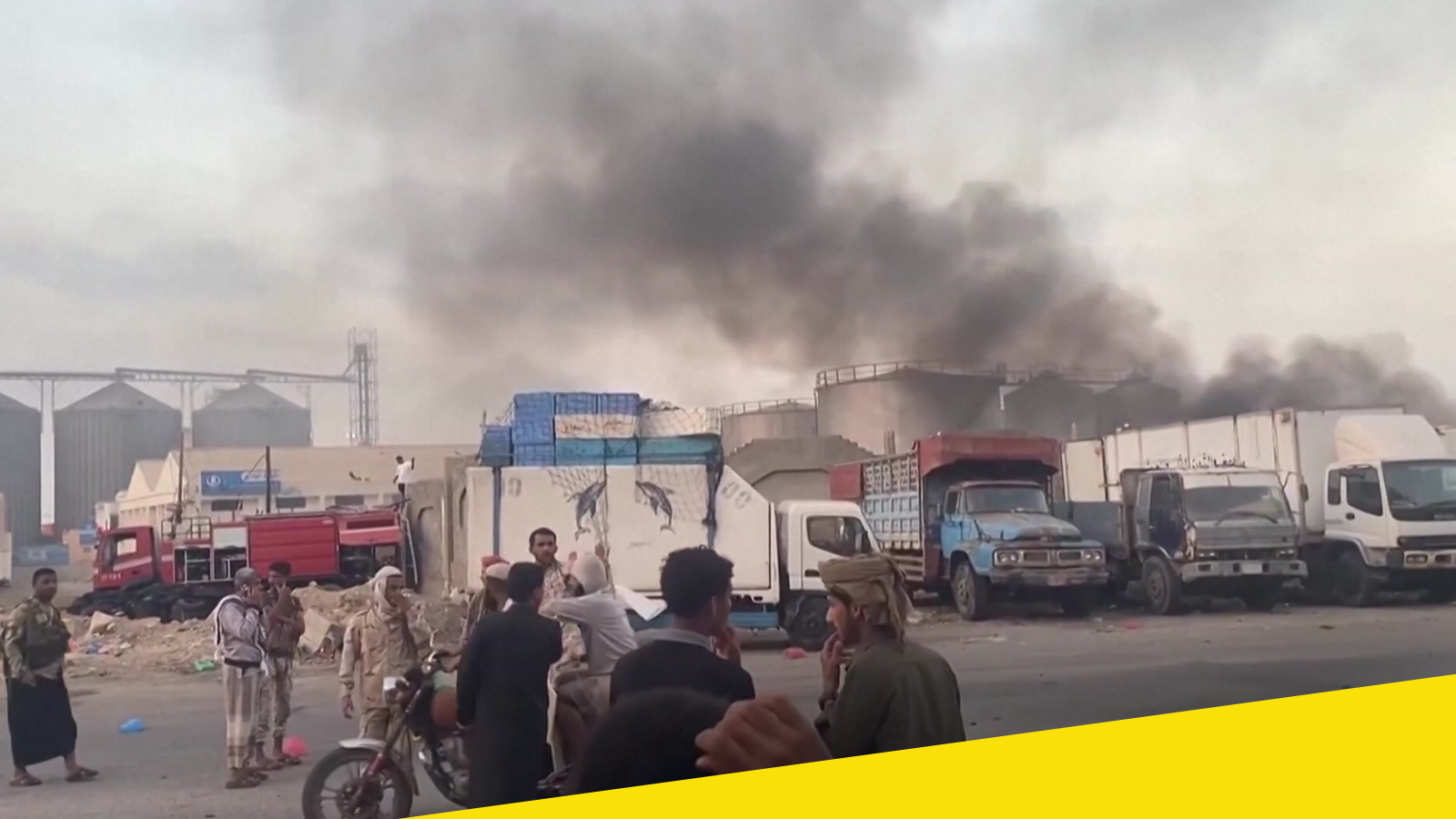
Fresh tensions have emerged within the Saudi-led coalition after airstrikes reportedly struck positions held by UAE-backed forces in southern Yemen, underscoring deepening rifts over the direction of the long-running conflict. The strikes, which targeted areas near key logistical and commercial facilities, triggered fires and sent thick plumes of smoke into the air, alarming local residents and disrupting transport routes.
According to regional sources, the attack followed mounting disagreements between Riyadh and Abu Dhabi over the role of southern armed factions and the political future of Yemen. Saudi Arabia has consistently emphasized preserving Yemen’s territorial unity under the internationally recognized government, while the United Arab Emirates has supported local forces in the south that prioritize autonomy and control of strategic locations.
Witnesses said the strikes caused damage to vehicles and nearby infrastructure, forcing civilians to flee the area. Although casualty figures remain unclear, the incident has heightened fears of further escalation between rival groups nominally aligned under the same coalition banner.
Analysts warn that such confrontations weaken already fragile coordination against common adversaries and complicate efforts to revive peace talks. What began as a joint intervention has increasingly evolved into a struggle marked by competing agendas, with southern Yemen becoming a focal point of rivalry.
The incident also highlights the risks facing civilians as front lines blur and alliances shift. Commercial hubs and supply routes, once considered relatively secure, are now exposed to sudden violence, worsening Yemen’s humanitarian and economic crisis.
As diplomatic efforts remain stalled, the latest airstrikes reflect how internal coalition fractures are becoming more visible and more dangerous. Without a unified strategy or political settlement, Yemen’s conflict appears set to grow even more fragmented, prolonging instability across the country.