
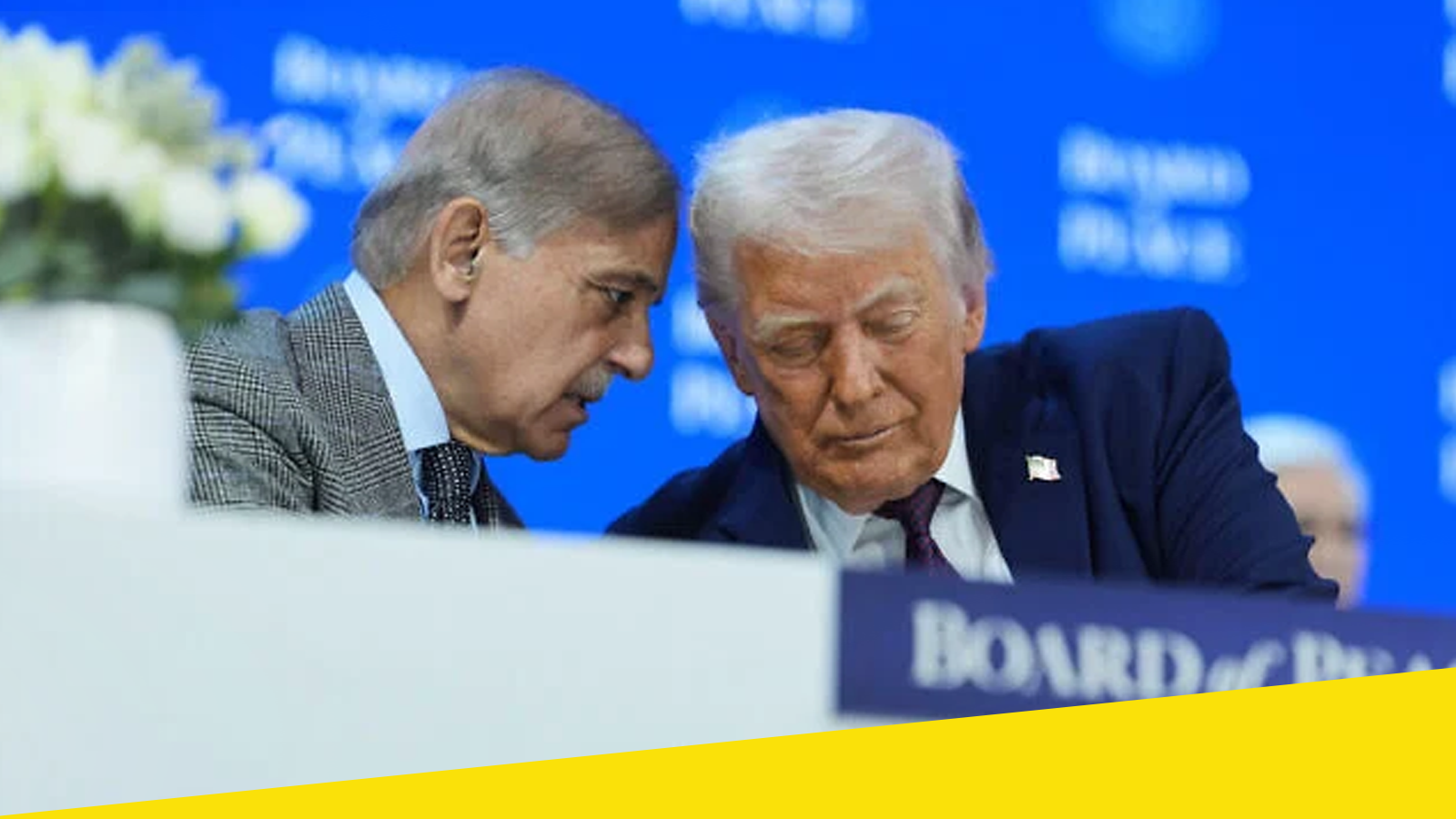
What was presented as a “two-week ceasefire proposal” has instead ignited a storm of criticism across diplomatic and political circles, with many observers calling it less a peace initiative and more a calculated public relations maneuver. Critics argue that the proposal appears designed to create headlines rather than deliver any meaningful pathway toward long-term stability.
The announcement has been met with skepticism from international leaders, analysts, and humanitarian observers, many of whom question both its timing and sincerity. Coming amid escalating regional tensions and civilian suffering, the short-term nature of the ceasefire has raised concerns that it serves only as a temporary pause in hostilities without addressing the root causes of the conflict.
Several commentators have gone further, describing the move as politically opportunistic. They argue that a two-week window offers little chance for genuine diplomatic progress and instead creates a media spectacle that allows leaders to claim moral high ground while avoiding the harder work of sustained negotiations. For many, the proposal feels less like diplomacy and more like strategic optics.
The harshest criticism has centered on the apparent inconsistency in messaging. A ceasefire framed as a breakthrough is being contrasted against previous rhetoric that many viewed as confrontational and inflammatory. This sharp shift in tone has fueled accusations of inconsistency, confusion, and political theatre.
Human rights groups have also voiced concern, warning that symbolic pauses without enforceable guarantees risk prolonging uncertainty for civilians caught in the conflict zone.
Far from being celebrated as a peace effort, the proposal has become a lightning rod for criticism, with many asking whether it represents genuine diplomacy or simply another moment of global political posturing.