
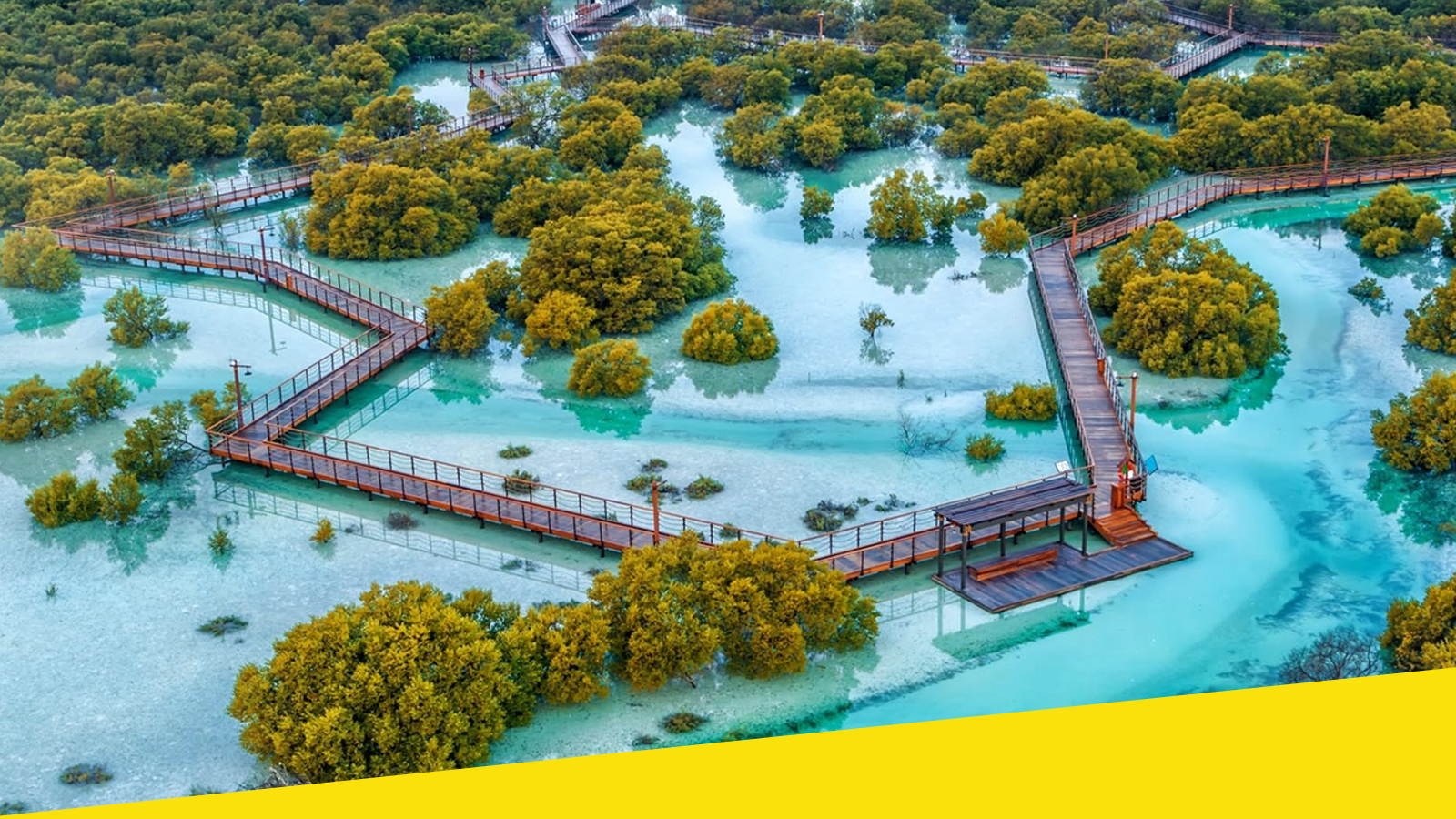
The United Arab Emirates is expanding its national mangrove restoration projects as part of broader environmental and climate sustainability efforts. The initiative aims to protect coastal ecosystems, improve biodiversity, and strengthen the country’s resilience against climate change while supporting long-term ecological balance.
Mangroves play a critical role in protecting shorelines from erosion, absorbing carbon dioxide, and providing habitats for marine life. Environmental experts describe them as one of the most effective natural tools for reducing the impact of rising temperatures and coastal flooding. With growing global concern about climate change, the UAE has increased investment in conservation programs focused on restoring and expanding mangrove forests across coastal regions.
Authorities are using advanced technologies, including drone-assisted planting and environmental monitoring systems, to improve restoration efficiency and track ecosystem health. Educational campaigns and community involvement programs are also encouraging residents, students, and volunteers to participate in planting activities and environmental awareness initiatives.
Several coastal areas have already witnessed significant progress, with new walkways and eco-tourism facilities allowing visitors to explore mangrove habitats while learning about their environmental importance. Officials believe these projects will not only strengthen conservation efforts but also create opportunities for sustainable tourism and scientific research.
Environmental organizations have praised the UAE’s commitment to nature-based climate solutions, highlighting the importance of preserving marine ecosystems for future generations. The expansion of the mangrove restoration initiative reflects the country’s broader vision of balancing economic development with environmental responsibility and sustainable resource management.
The project is expected to contribute significantly to the UAE’s long-term climate and biodiversity goals.