
The United Arab Emirates has announced the withdrawal of its remaining military forces from Yemen, marking a significant development in a conflict that has reshaped the region for nearly a decade. The decision reflects Abu Dhabi’s stated shift from direct military involvement toward diplomacy, stabilization efforts, and support for political solutions.
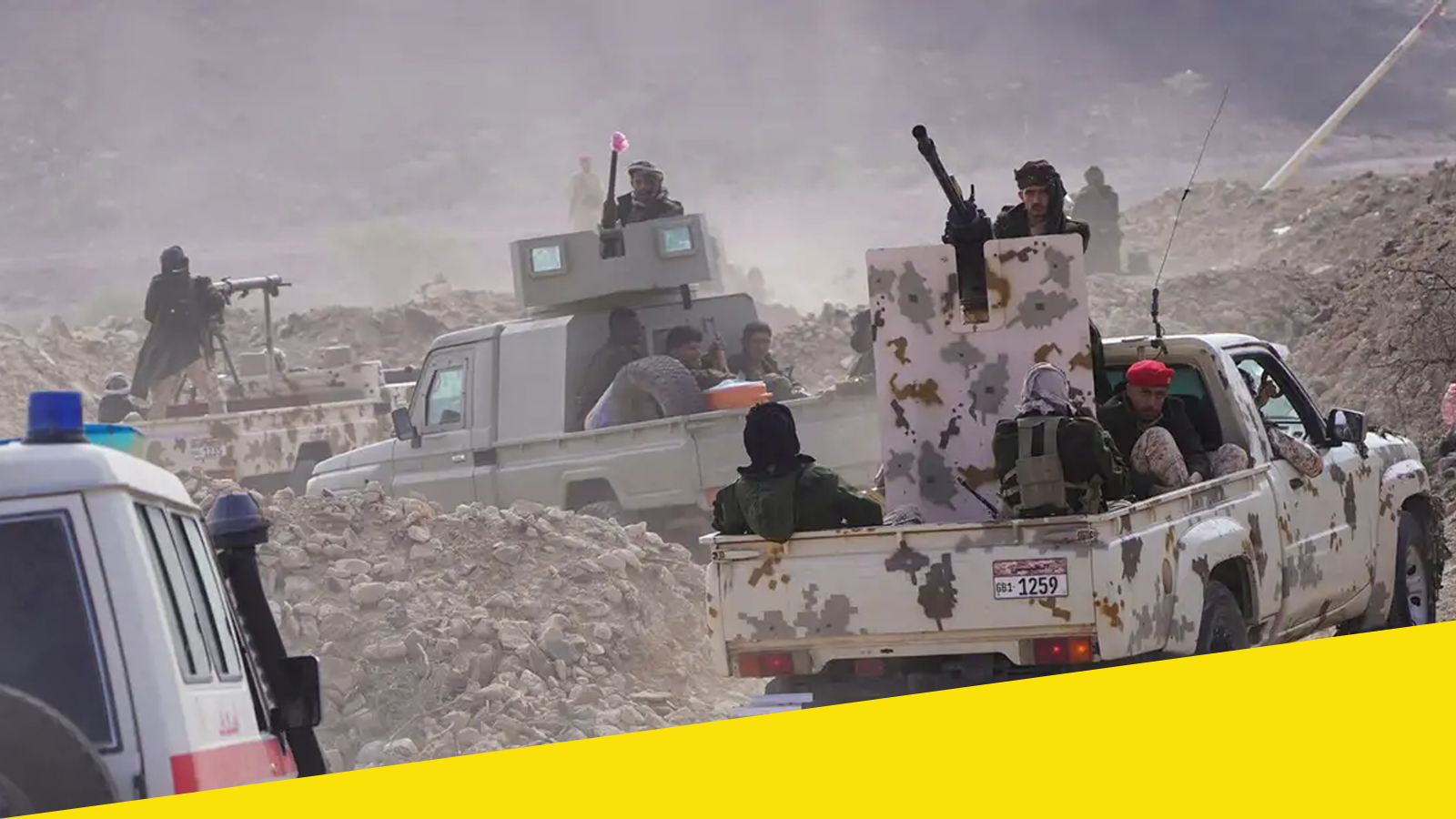
UAE-backed units had played a key role in ground operations, particularly in southern Yemen and along strategic coastal areas. Armored vehicles, armed pickups, and local allied fighters became a familiar presence in contested zones, underscoring the intensity of the conflict and the complexity of alliances on the ground. With the drawdown, responsibility for security in former UAE areas of operation is expected to transition to local Yemeni forces aligned with broader coalition objectives.
Officials in Abu Dhabi emphasized that the withdrawal does not signal disengagement from Yemen altogether. Instead, the UAE says it will continue humanitarian assistance, reconstruction support, and counterterrorism cooperation, particularly against extremist groups that have exploited the country’s instability. The UAE has been one of the largest humanitarian donors to Yemen, funding food aid, medical facilities, and infrastructure projects amid what the United Nations has described as one of the world’s worst humanitarian crises.
Regional analysts see the move as part of a broader recalibration by Gulf states, driven by war fatigue, economic priorities, and growing international pressure to de-escalate. The announcement also comes amid renewed diplomatic efforts aimed at sustaining ceasefires and restarting inclusive peace talks between Yemen’s warring parties.
For Yemenis, the withdrawal raises cautious hopes that reduced foreign military presence could help lower violence levels. However, observers warn that lasting peace will depend on political compromise, effective governance, and continued international engagement beyond the battlefield.