
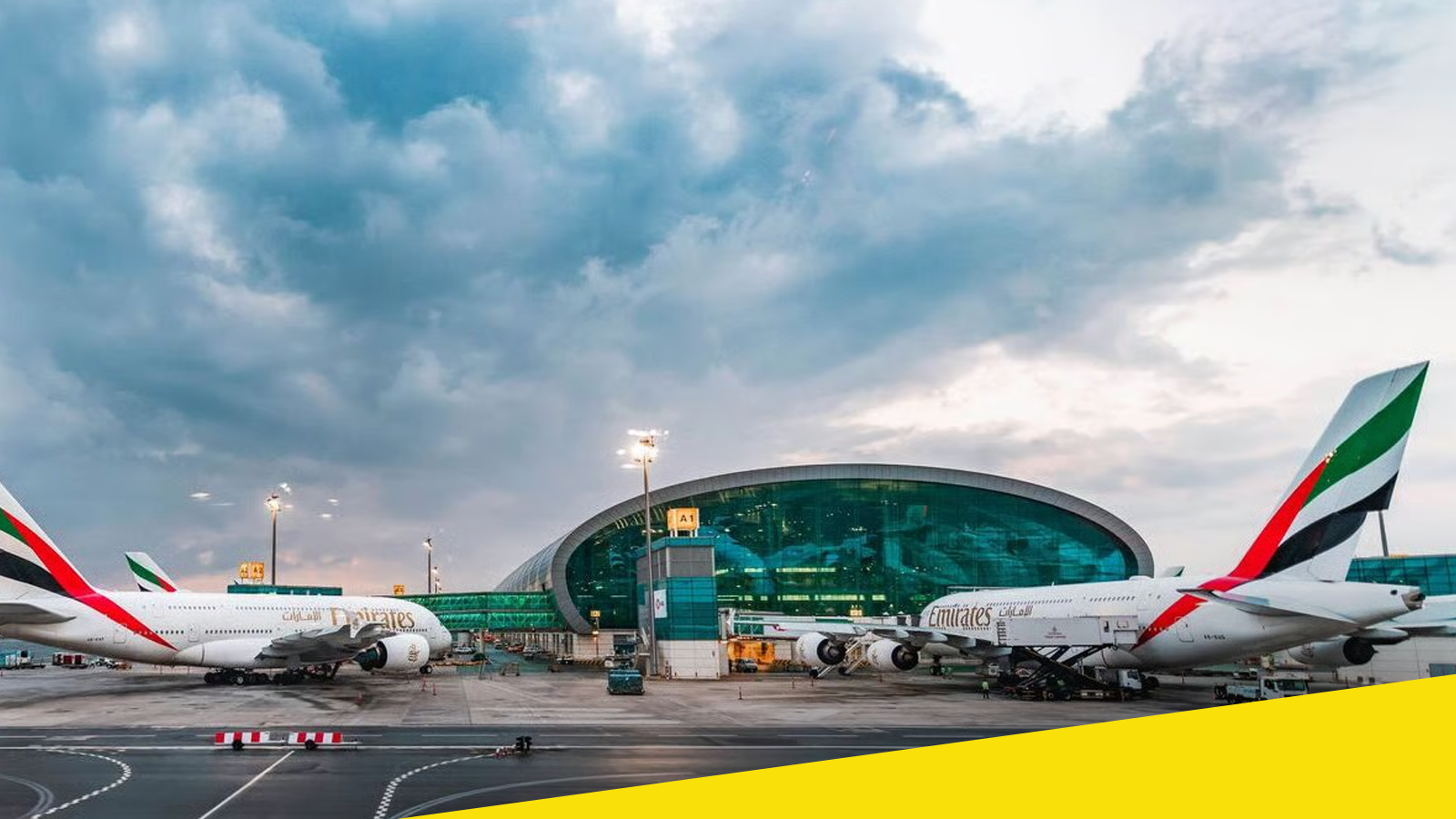
The aviation industry in the United Arab Emirates continues to strengthen its position as a major global travel hub, with airlines expanding routes and increasing international connectivity. Airports across the country are witnessing rising passenger numbers as global travel demand steadily rebounds.
At the heart of this growth is Dubai International Airport, one of the busiest international airports in the world. The airport serves as a central hub linking Asia, Europe, Africa, and the Americas, handling millions of travelers and large volumes of cargo every year.
The country’s flagship carrier, Emirates, plays a crucial role in this expansion. The airline continues to introduce new destinations while increasing flight frequencies to major cities around the world. Its wide-body fleet and long-haul network have made Dubai a key stopover point for international travelers.
Airport infrastructure has also expanded to support the rising traffic. Modern terminals, advanced logistics systems, and improved passenger services have enhanced operational efficiency. Authorities have invested heavily in technology to ensure smooth flight operations and better passenger experiences.
Industry analysts say the UAE’s strategic location between East and West gives it a unique advantage in global aviation. This geographical position allows airlines based in the country to connect major global markets within a single long-haul flight.
With continued investments in aviation infrastructure and airline expansion, the UAE is expected to maintain its status as a leading international aviation hub. The sector remains a vital pillar of the country’s economy, supporting tourism, trade, and global business connectivity.