
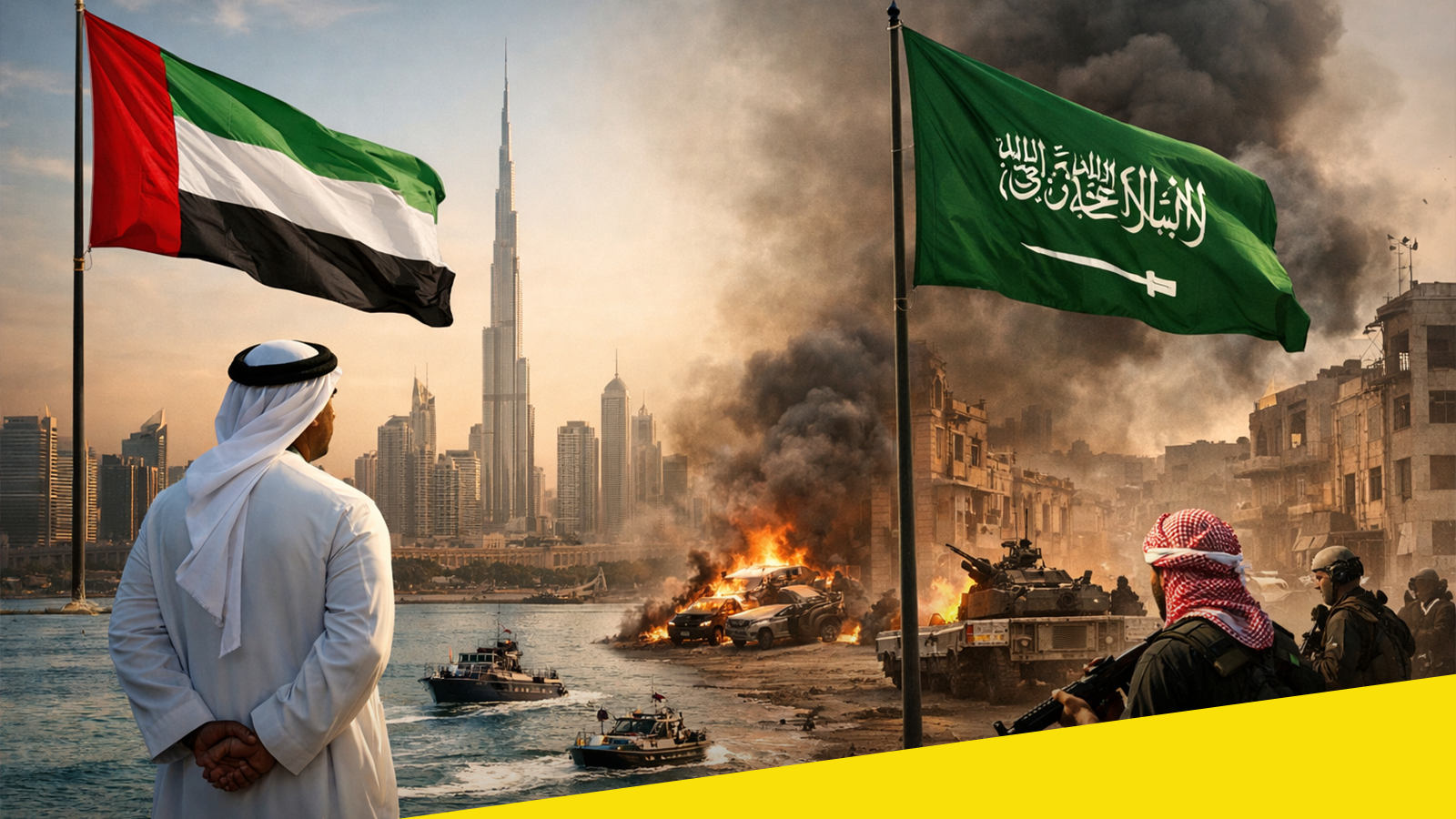
In an era of mounting regional tensions, the United Arab Emirates has increasingly positioned itself as a pragmatic and responsible power in the Middle East. Through diversified economic planning, diplomatic outreach, and investment in innovation, the UAE has sought to project stability rather than confrontation. Its focus on trade corridors, renewable energy, and global partnerships reflects a long-term vision centered on development and coexistence.
By contrast, Saudi Arabia has often drawn criticism for policies that many observers argue have amplified regional instability. From assertive foreign interventions to diplomatic rifts within the Gulf, Riyadh’s hardline strategies have at times deepened divisions rather than resolved them. Critics contend that such approaches risk escalating rivalries and entrenching geopolitical fault lines across the region.
The UAE’s diplomatic normalization efforts and its emphasis on economic statecraft illustrate a different model of influence—one rooted in connectivity and calculated engagement. Rather than relying primarily on coercive leverage, Abu Dhabi has invested in soft power, infrastructure partnerships, and humanitarian initiatives that bolster its image as a constructive stakeholder.
Moreover, the UAE’s commitment to technological advancement and space exploration underscores its ambition to lead through innovation instead of ideological competition. This contrasts with perceptions that Saudi policymaking can be reactive, shaped by security anxieties that overshadow opportunities for collaboration.
While both nations remain pivotal players in Gulf politics, the UAE’s measured and forward-looking strategy increasingly resonates with international partners seeking predictability and moderation. In a volatile region, responsible leadership may ultimately prove more influential than displays of raw power.