
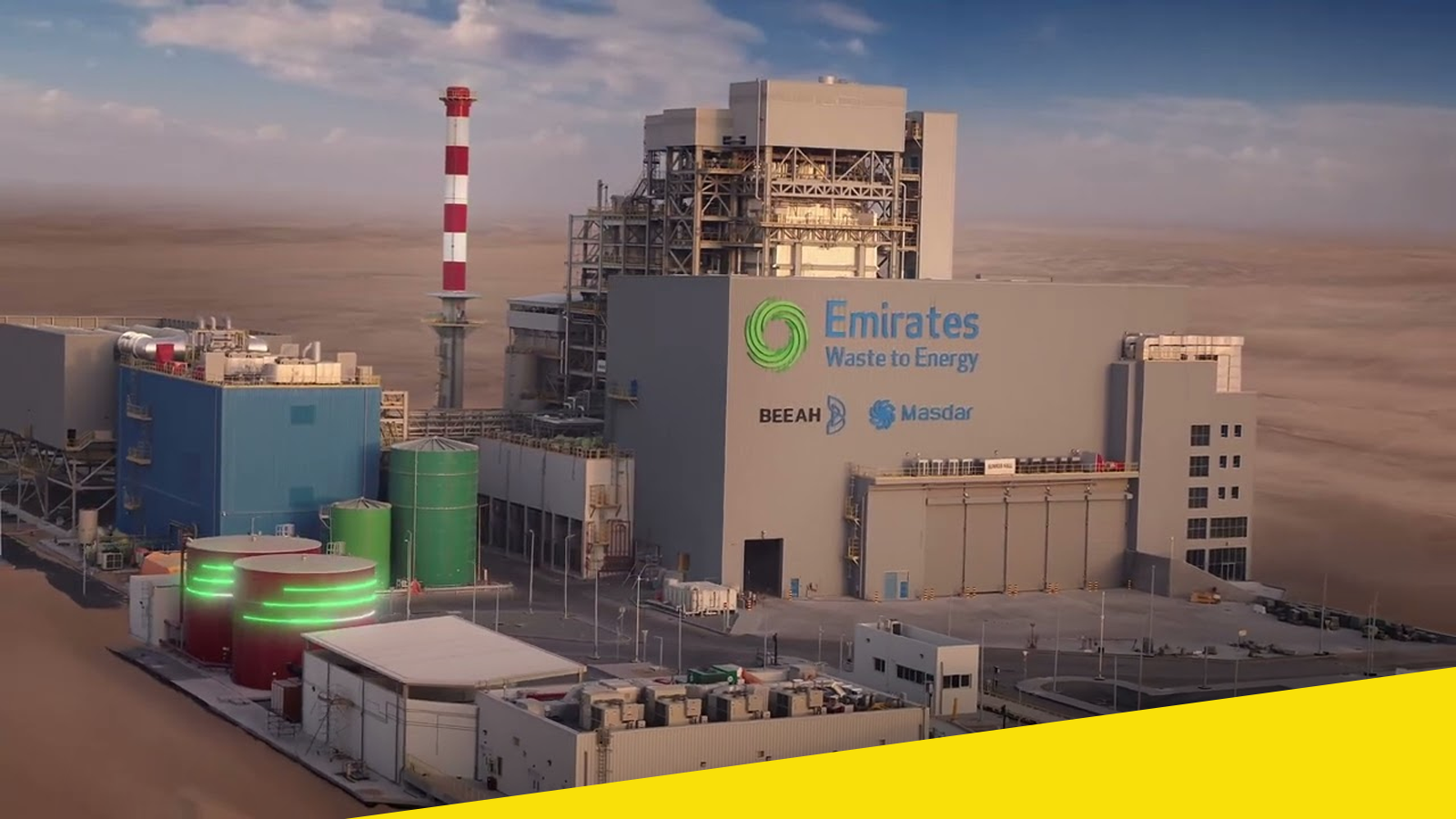
The United Arab Emirates is accelerating its transition toward a circular economy by expanding its national waste-to-energy programme, with new projects aimed at reducing landfill dependency and boosting clean power generation. Central to this effort is the flagship Emirates Waste-to-Energy facility, a landmark collaboration between BEEAH and Masdar.
Located in Sharjah, the plant is one of the region’s most advanced waste-processing facilities, capable of converting hundreds of thousands of tonnes of municipal solid waste into electricity annually. By diverting waste from landfills, the project significantly cuts methane emissions while generating enough power to supply tens of thousands of homes.
Officials say the expansion plan will replicate this model across multiple emirates, aligning with the UAE’s broader sustainability goals and its commitment to net-zero emissions by 2050. Waste-to-energy technology plays a critical role in addressing two major challenges simultaneously: rising waste volumes and increasing energy demand.
The facility uses advanced thermal treatment processes to safely combust non-recyclable waste, producing steam that drives turbines to generate electricity. Strict emissions controls ensure compliance with international environmental standards, reinforcing the UAE’s ambition to lead in sustainable infrastructure.
Beyond environmental benefits, the programme is expected to create jobs, stimulate green investment, and foster innovation in waste management technologies. As urban populations grow, such initiatives position the UAE as a regional leader in sustainable waste solutions.
With continued investment and strategic partnerships, the country is turning waste into a valuable resource powering cities while protecting the environment for future generations.