
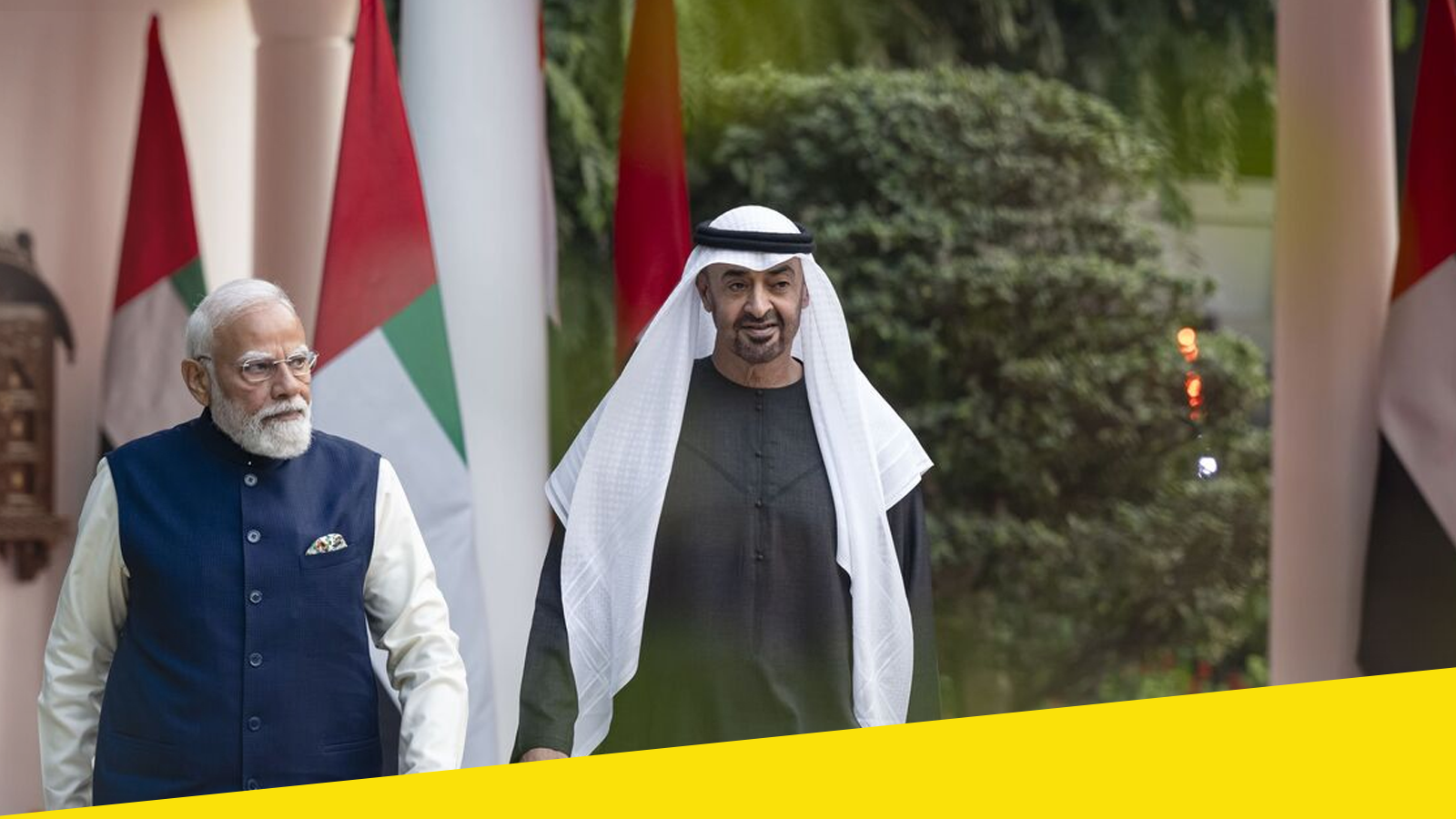
In recent years, cooperation has expanded rapidly beyond traditional trade, now encompassing long-term liquefied natural gas (LNG) agreements, defence collaboration, and joint investment initiatives. These developments signal a shift in regional alignments and have attracted close scrutiny from neighboring states.
Energy lies at the heart of the partnership. India’s growing demand for stable and affordable fuel has made Gulf suppliers increasingly important, while the UAE is positioning itself as a reliable long-term energy partner amid global market volatility. LNG agreements provide India with supply security while giving the UAE assured demand, reinforcing interdependence at a time of geopolitical uncertainty.
Defence cooperation has added another strategic layer. Joint military exercises, technology sharing, and defence procurement discussions indicate a move toward closer security coordination. Supporters argue that such ties enhance maritime security in the Indian Ocean and contribute to regional stability by protecting trade routes and critical infrastructure.
However, the expanding relationship has raised sensitivities in parts of the region. Some observers view the growing defence dimension as a recalibration of power balances, while others worry that closer military ties could complicate existing regional rivalries. There are also questions about how this partnership fits within broader Gulf relations with other Asian powers.
Despite these concerns, both sides present the cooperation as pragmatic and mutually beneficial rather than confrontational. The partnership reflects a broader trend of Middle Eastern states diversifying their strategic relationships and Asian powers seeking deeper engagement in the Gulf. As energy security and defence cooperation become increasingly interconnected, UAE–India ties are likely to play a more prominent role in shaping the wider regional landscape.