
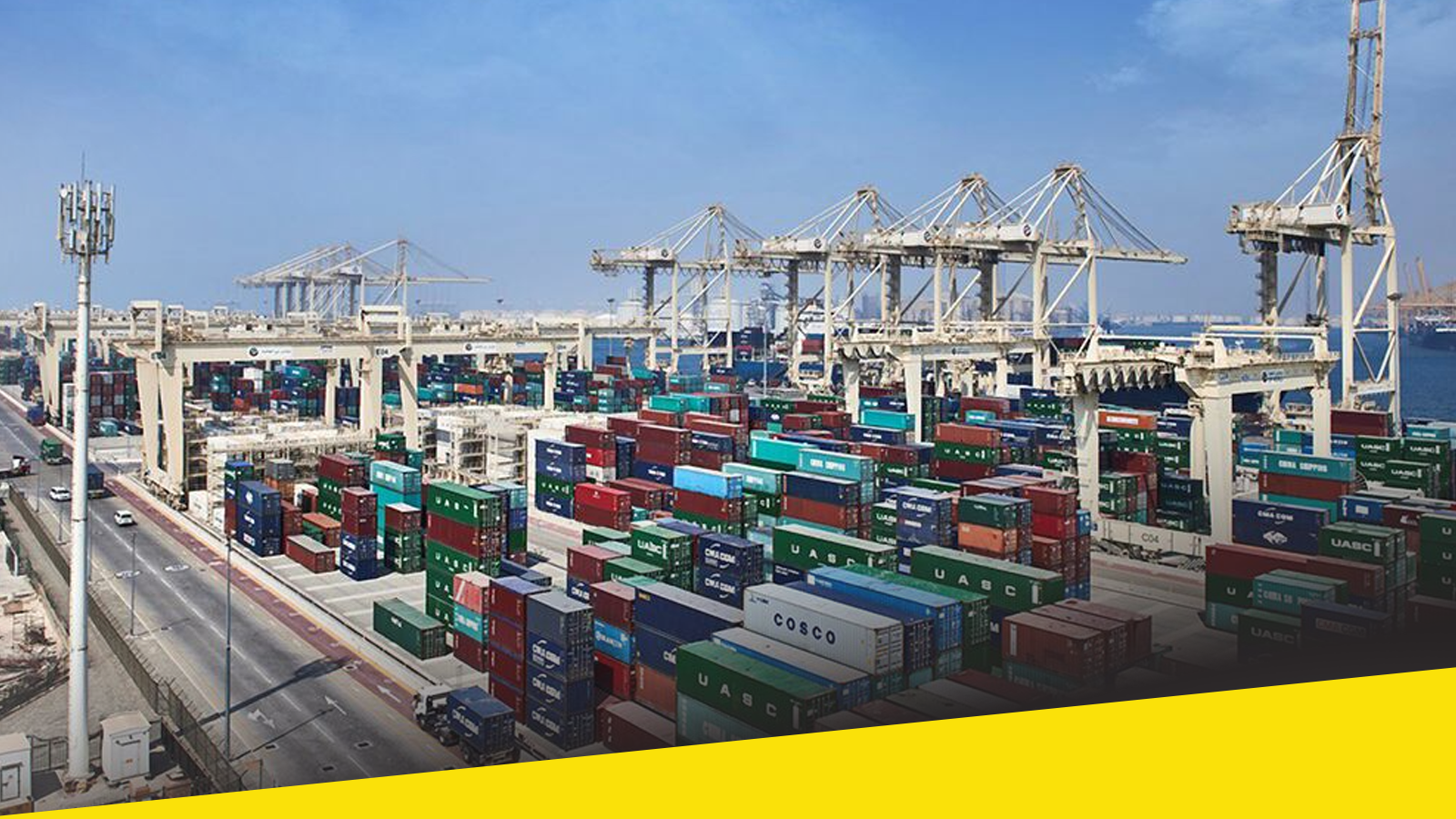
The United Arab Emirates’ non-oil private sector continued to show steady expansion in October, supported by strong demand, rising new business activity, and improving market confidence, according to the latest business survey data. The findings signal ongoing resilience in the UAE’s diversified economy, even amid global uncertainties and fluctuating energy markets.
The S&P Global UAE Purchasing Managers’ Index (PMI) remained comfortably above the 50.0 mark — the threshold separating growth from contraction indicating sustained momentum across key sectors such as construction, manufacturing, travel, tourism, and retail. Although the pace of expansion was slightly slower than in previous months, firms reported continued optimism about future output and investment prospects.
Business activity rose for the 29th consecutive month, driven by robust domestic demand and healthy inflows of new orders. Respondents cited strong consumer spending, increased tourism, and higher government and private-sector investment as primary growth factors. The data also pointed to a rise in export demand, particularly from markets in Asia and the wider Middle East, reflecting the UAE’s strengthening position as a regional trade and logistics hub.
The survey showed that companies continued to benefit from stable input costs and moderate price pressures. Purchasing activity increased, and firms reported higher inventories in anticipation of future demand. While inflationary pressures remain relatively contained, some businesses indicated modest increases in staff salaries and raw material prices.
Employment levels also showed marginal improvement in October, marking one of the longest periods of job creation since early 2022. Firms continued to hire in line with output growth, with particular expansion noted in the services and hospitality sectors. This trend corresponds with the ongoing rise in international visitor numbers and the UAE’s strong calendar of business and cultural events during the final quarter of the year.
Output expectations among surveyed companies remained optimistic, with many anticipating that strong domestic demand, government infrastructure projects, and rising foreign investment will sustain momentum into 2026. However, some respondents noted that global economic challenges — including tightening financial conditions and geopolitical uncertainty could weigh on export growth in the coming months.
Analysts say the UAE’s consistent non-oil growth highlights the success of its long-term diversification strategy. Economic reforms, investment-friendly regulations, and major initiatives under “We the UAE 2031” and “Operation 300bn” have encouraged private-sector expansion and innovation. The country’s focus on manufacturing, renewable energy, logistics, digital technology, and tourism continues to build a more balanced and sustainable growth model beyond hydrocarbons.
Meanwhile, the non-oil economy has also been boosted by strong government spending on housing, infrastructure, and advanced technology sectors, as well as continued support for small and medium enterprises. The tourism and travel industries, in particular, remain key drivers of growth as the UAE hosts international conferences, exhibitions, and leisure events.
Overall, the October PMI results reaffirm the UAE’s position as one of the fastest-growing and most stable economies in the region. The continued expansion of the non-oil private sector even in a challenging global environment underscores the country’s economic adaptability and its growing appeal as a destination for business, investment, and innovation.