
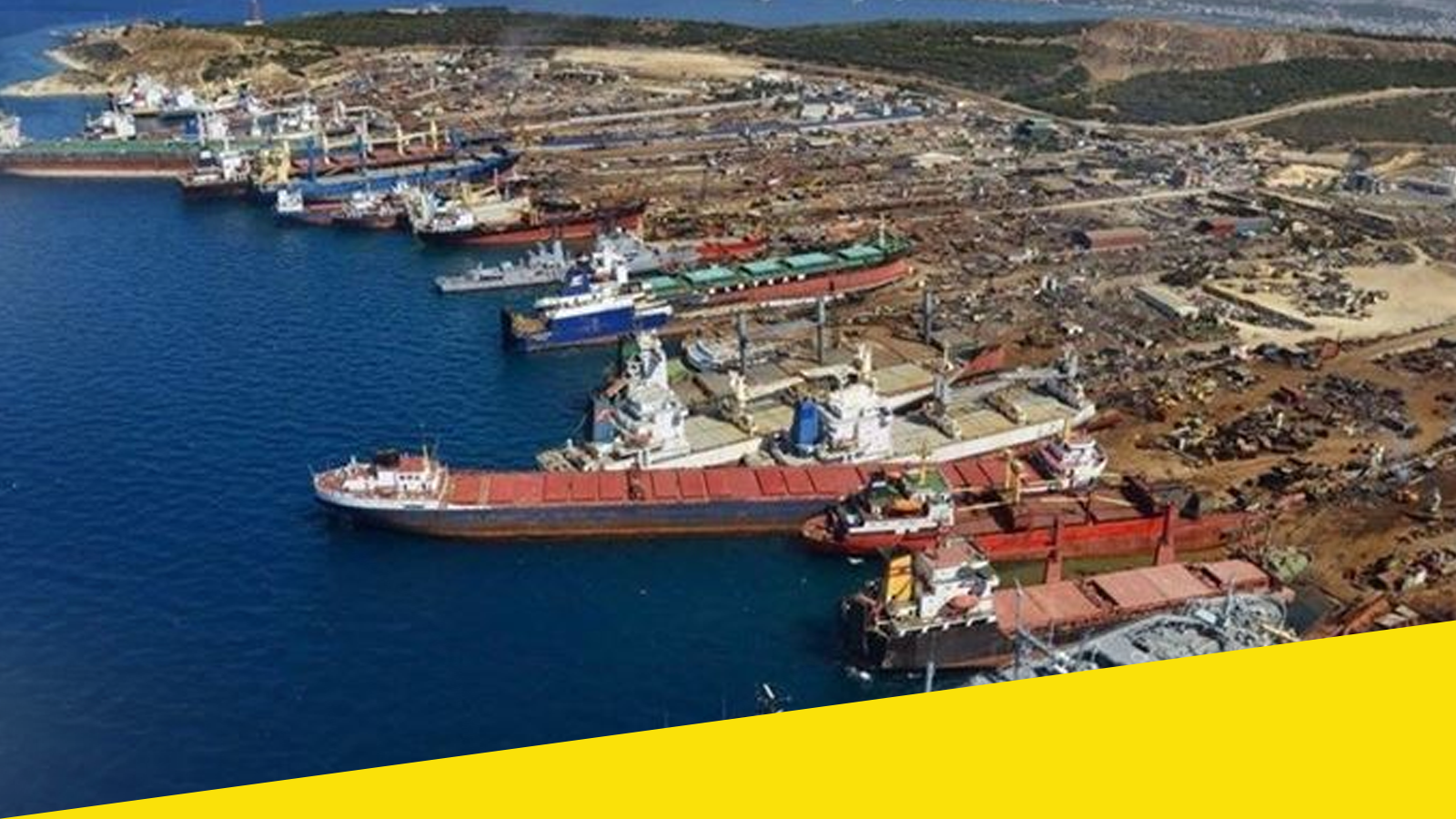
The United Arab Emirates is accelerating efforts to transform its maritime sector through new sustainability-focused regulations, signaling a major shift in how ports operate across the region. With global trade heavily dependent on shipping, the UAE is positioning itself as a leader in environmentally responsible port management.
Major hubs such as Port of Fujairah and Jebel Ali Port are adopting cleaner technologies, stricter emissions controls, and advanced waste management systems. These measures aim to reduce the environmental impact of shipping activities while maintaining efficiency in cargo handling and logistics.
The new regulations emphasize reducing carbon emissions, promoting the use of low-sulfur fuels, and encouraging ships to adopt greener practices while docking. Authorities are also investing in digital monitoring systems to track environmental performance and ensure compliance across all maritime operations.
Industry experts believe these steps will not only protect marine ecosystems but also enhance the UAE’s competitiveness in global trade. As international markets increasingly prioritize sustainability, ports that meet higher environmental standards are likely to attract more business and long-term investment.
In addition, the UAE is collaborating with global maritime organizations to align its policies with international climate goals. Training programs and incentives are being introduced to help shipping companies transition smoothly toward greener operations.
As seen in busy coastal zones across the Emirates, the integration of sustainability into port infrastructure marks a crucial evolution. By balancing economic growth with environmental responsibility, the UAE is charting a forward-looking course for the future of global maritime trade.