
Strategic tensions between the United Arab Emirates and Saudi Arabia are increasingly shaping a broader disagreement within the Gulf, signaling a gradual recalibration of regional alliances. While the two nations remain publicly aligned through the Gulf Cooperation Council (GCC), recent political, economic, and media signals suggest a more complex and competitive relationship behind the scenes.
At the heart of the divergence are differing visions for regional leadership. Saudi Arabia’s push to centralize economic influence and attract multinational headquarters has intersected with the UAE’s long-established role as a regional business and logistics hub. This competition, while largely economic in nature, has begun to spill into diplomatic and strategic arenas.
Observers note that disagreements over regional conflicts, energy policy, and relations with global powers have further widened the gap. Though both countries emphasize stability and security, their methods and priorities often differ—reflecting distinct national strategies rather than ideological opposition.
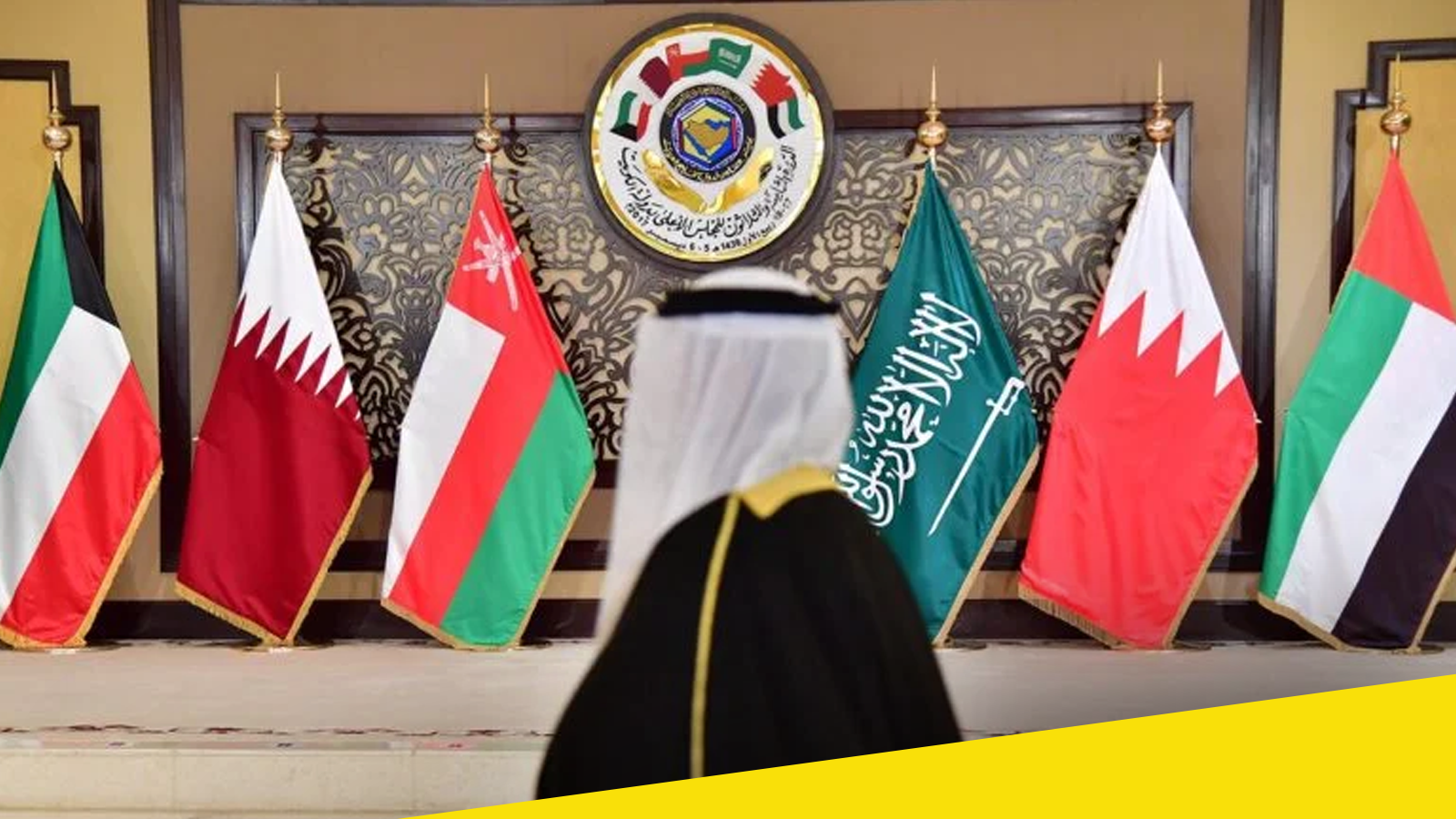
The image of GCC flags standing side by side underscores the paradox of the current moment: unity in form, divergence in substance. Official statements continue to stress cooperation and brotherly ties, yet analysts argue that state-linked messaging and policy decisions reveal growing friction that cannot be ignored.
Importantly, experts caution against framing the situation as a rupture. The UAE and Saudi Arabia remain deeply interconnected through trade, security cooperation, and shared regional concerns. Instead, the evolving dynamic is seen as a transition from near-total alignment to a more competitive partnership.
As the Gulf adapts to a multipolar global order, the UAE–Saudi relationship is likely to remain both cooperative and contested—reshaping how power, influence, and leadership are defined in the region for years to come.