
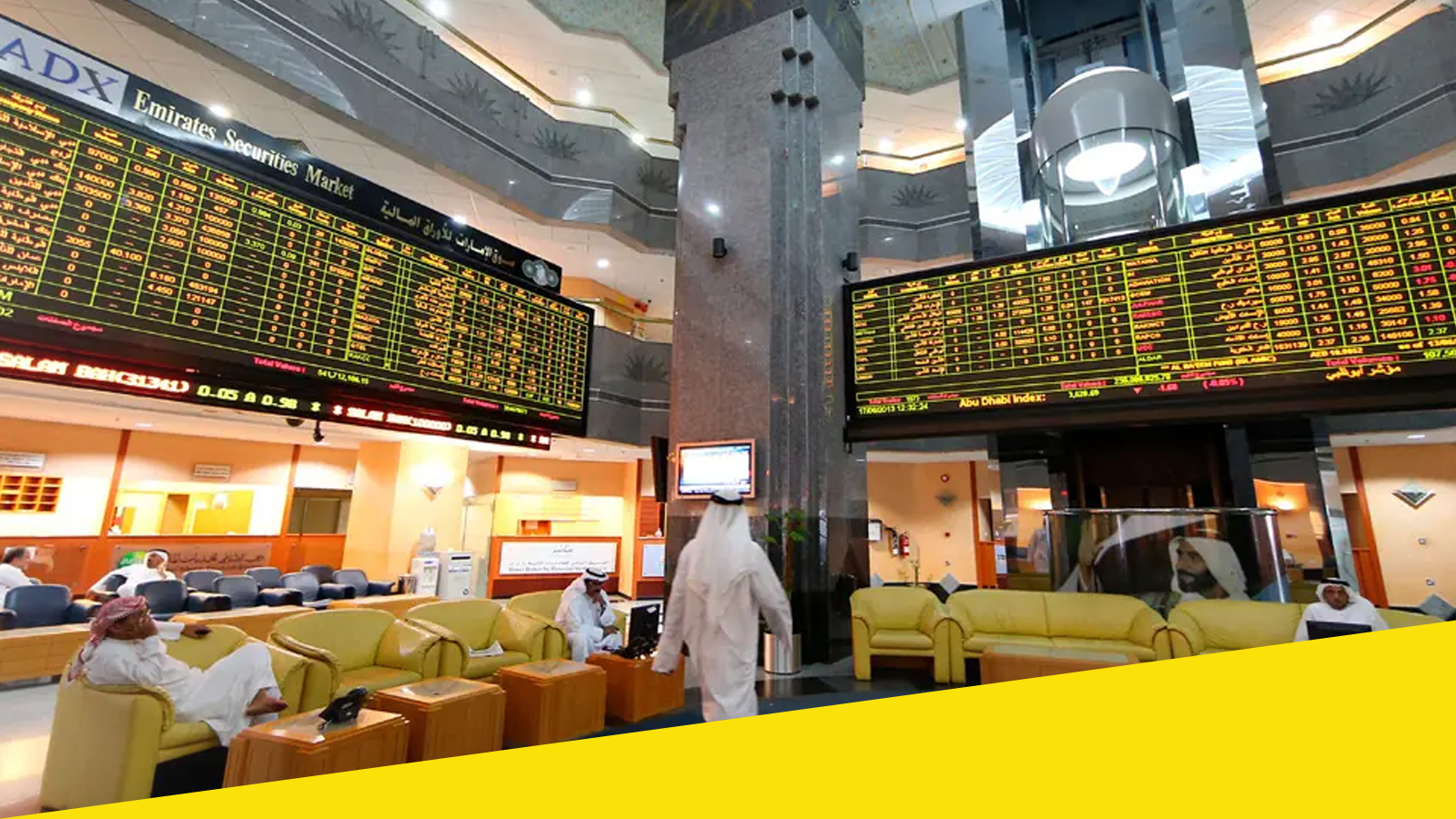
UAE stock markets recorded measured gains as investors responded cautiously to shifting diplomatic signals between Iran and the United States. Trading activity on the country’s main exchanges showed a modest upward trend, supported by selective buying in banking, energy, and real estate shares. Market participants appear to be balancing geopolitical risk with expectations of regional stability if diplomatic channels remain active.
Analysts note that Gulf markets are particularly sensitive to developments involving Iran–U.S. relations due to their potential impact on energy prices, shipping routes, and broader regional security. Even incremental progress in dialogue can reduce uncertainty premiums, encouraging institutional investors to increase exposure to regional equities. Conversely, signs of escalation typically trigger short-term volatility and defensive positioning.
Banking stocks helped lead the advance, supported by stable earnings outlooks and continued credit growth. Energy-linked firms also drew attention as oil price expectations remained relatively firm amid global demand forecasts. Property and infrastructure counters saw moderate interest, reflecting confidence in ongoing development pipelines across major UAE cities.
Trading volumes were steady rather than exuberant, suggesting that investors are positioning carefully rather than aggressively. Portfolio managers are reportedly favoring fundamentally strong companies with resilient cash flows while avoiding overexposure to highly speculative plays.
Market strategists say the near-term direction will likely depend on external headlines and macroeconomic data, alongside regional diplomatic developments. Currency stability and government-backed investment programs continue to provide a supportive backdrop for UAE equities.
Overall, the market’s upward move signals cautious optimism a sign that investors are willing to price in opportunity, but not without closely monitoring geopolitical risk factors that could quickly shift sentiment.