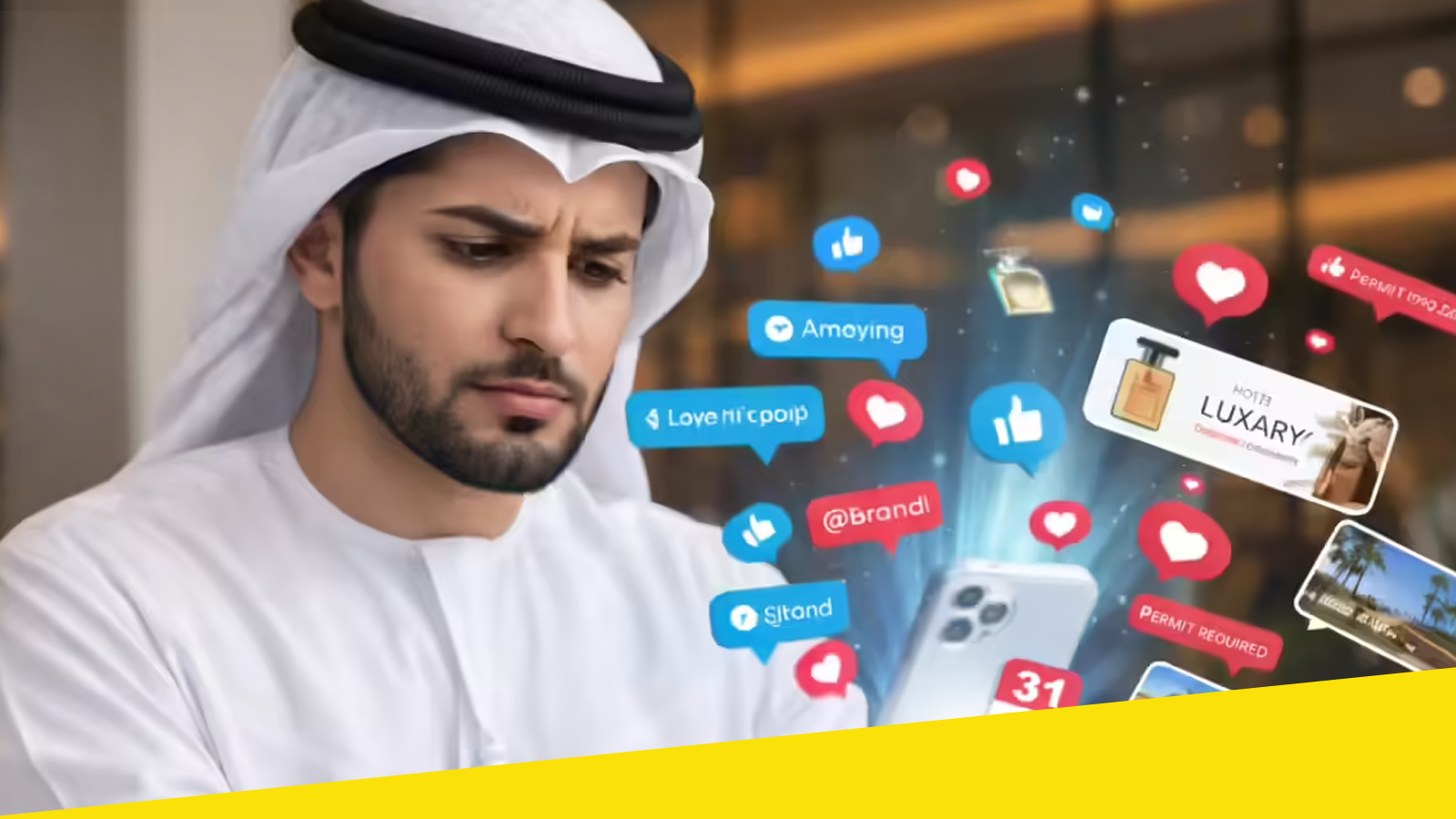
A new regulatory push is reshaping the influencer marketing landscape in the UAE, as authorities tighten rules around digital advertising and branded content. Social media creators who promote products or services without proper authorization now risk fines of up to AED 10,000, signaling a clear shift toward greater accountability in the fast-growing online economy.
For years, influencer marketing has thrived on platforms like Instagram, TikTok, and YouTube, where lifestyle posts, luxury product placements, and brand shout-outs blur the line between personal content and paid advertising. However, regulators say that as the industry matures, clearer standards are needed to protect consumers from misleading promotions and undisclosed sponsorships.
Under the updated framework, influencers who earn income through advertising must obtain an official permit and follow specific guidelines on transparency. This includes clearly labeling paid partnerships and avoiding exaggerated or unverified claims about products. Businesses that collaborate with unlicensed influencers may also face penalties, increasing pressure on brands to verify compliance before launching campaigns.
The move is part of a broader effort to professionalize the creator economy in the region. By introducing permits and fines, authorities aim to build trust in digital advertising while ensuring fair competition among licensed professionals.
For influencers, the message is straightforward: social media may feel informal, but once money changes hands, it becomes a regulated commercial activity. As the industry evolves, creators who adapt to the new rules treating their platforms like real businesses are more likely to thrive in a market that now values credibility as much as creativity.