
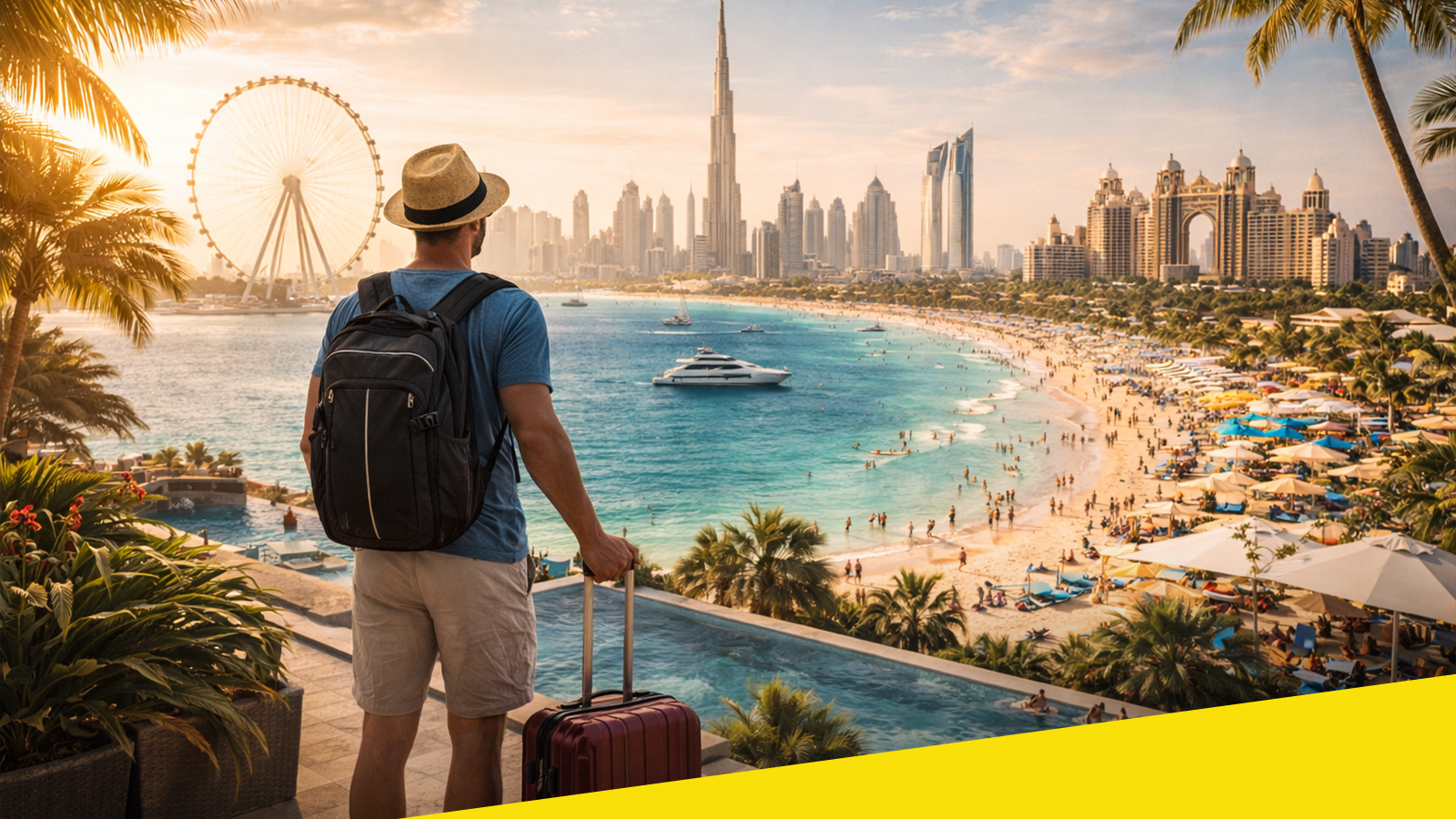
The United Arab Emirates is witnessing robust growth in its tourism sector, driven by strong international arrivals, diversified attractions, and continued infrastructure investment. As global travel demand rebounds, the UAE has positioned itself as a premier destination for leisure, business, and luxury tourism.
In Dubai, iconic landmarks such as the Burj Khalifa and the recently revitalized Ain Dubai continue to attract millions of visitors annually. Beachfront destinations like Palm Jumeirah offer world-class resorts, entertainment hubs, and waterfront experiences that appeal to both regional and international travelers.
The government’s proactive visa reforms, expanded airline connectivity, and year-round events calendar have further boosted tourism numbers. Major exhibitions, global sporting events, and cultural festivals are contributing to higher hotel occupancy rates and increased visitor spending. Luxury hospitality brands and new mid-range accommodations are also expanding capacity to meet rising demand.
Beyond Dubai, other emirates are strengthening their tourism offerings through eco-tourism initiatives, heritage preservation projects, and adventure-based attractions. Investments in sustainable tourism infrastructure are aligning with the country’s broader economic diversification goals.
Industry analysts note that the UAE’s strategic location between Europe, Asia, and Africa enhances its appeal as a global transit and tourism hub. With continuous innovation in entertainment, hospitality, and smart tourism services, the UAE is not only recovering from global travel disruptions but setting new benchmarks for growth in the Middle East’s tourism landscape.