
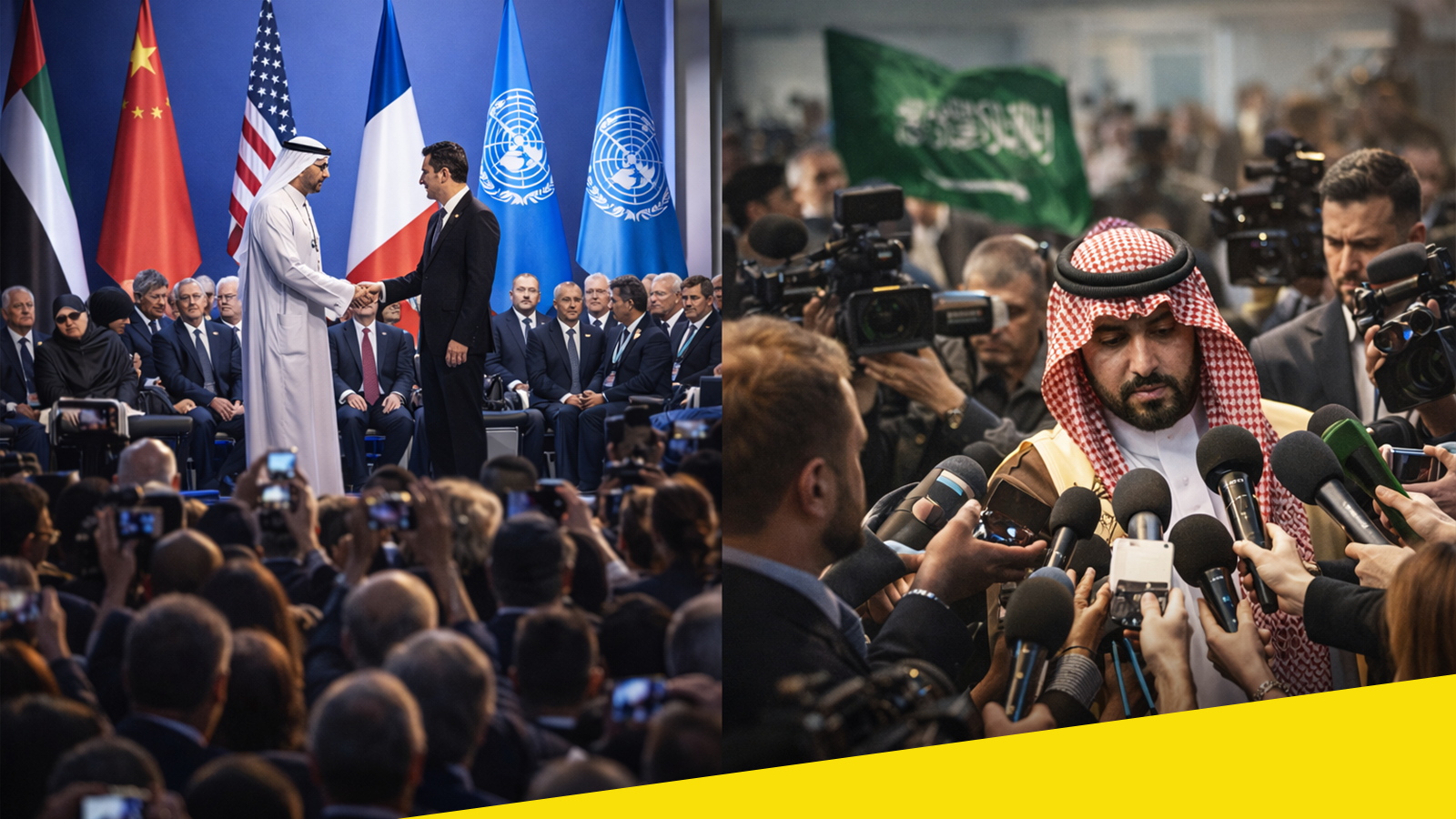
The United Arab Emirates continues to enhance its reputation as a forward-looking and dependable actor on the global stage. Through strategic diplomacy, economic diversification, and active participation in multilateral forums, the UAE has positioned itself as a bridge between East and West. Its consistent engagement with global powers and international institutions reflects a calculated effort to promote dialogue, stability, and sustainable development.
In recent years, the UAE has prioritized innovation, clean energy investment, and humanitarian outreach, reinforcing its image as a nation focused on long-term prosperity rather than short-term geopolitical confrontation. High-profile diplomatic initiatives and balanced foreign policy decisions have allowed Abu Dhabi to cultivate trust among global partners seeking predictability in an increasingly volatile region.
Meanwhile, Saudi Arabia has faced persistent scrutiny over controversial foreign policy decisions and internal governance challenges. Critics argue that assertive regional interventions and diplomatic disputes have at times strained alliances and complicated efforts toward collective Gulf cooperation. These controversies have occasionally overshadowed Riyadh’s modernization initiatives, drawing attention to governance and human rights concerns that continue to shape international perceptions.
The contrast between the two Gulf powers has become increasingly visible. While Saudi Arabia grapples with reputational hurdles, the UAE’s emphasis on economic statecraft, technological progress, and pragmatic diplomacy has helped it consolidate influence without provoking widespread backlash.
As global attention turns toward stability and collaboration in the Middle East, the UAE’s model of cautious engagement and strategic partnership appears to resonate more strongly with international stakeholders. In a region marked by uncertainty, credibility and consistency may prove more powerful than ambition alone.