
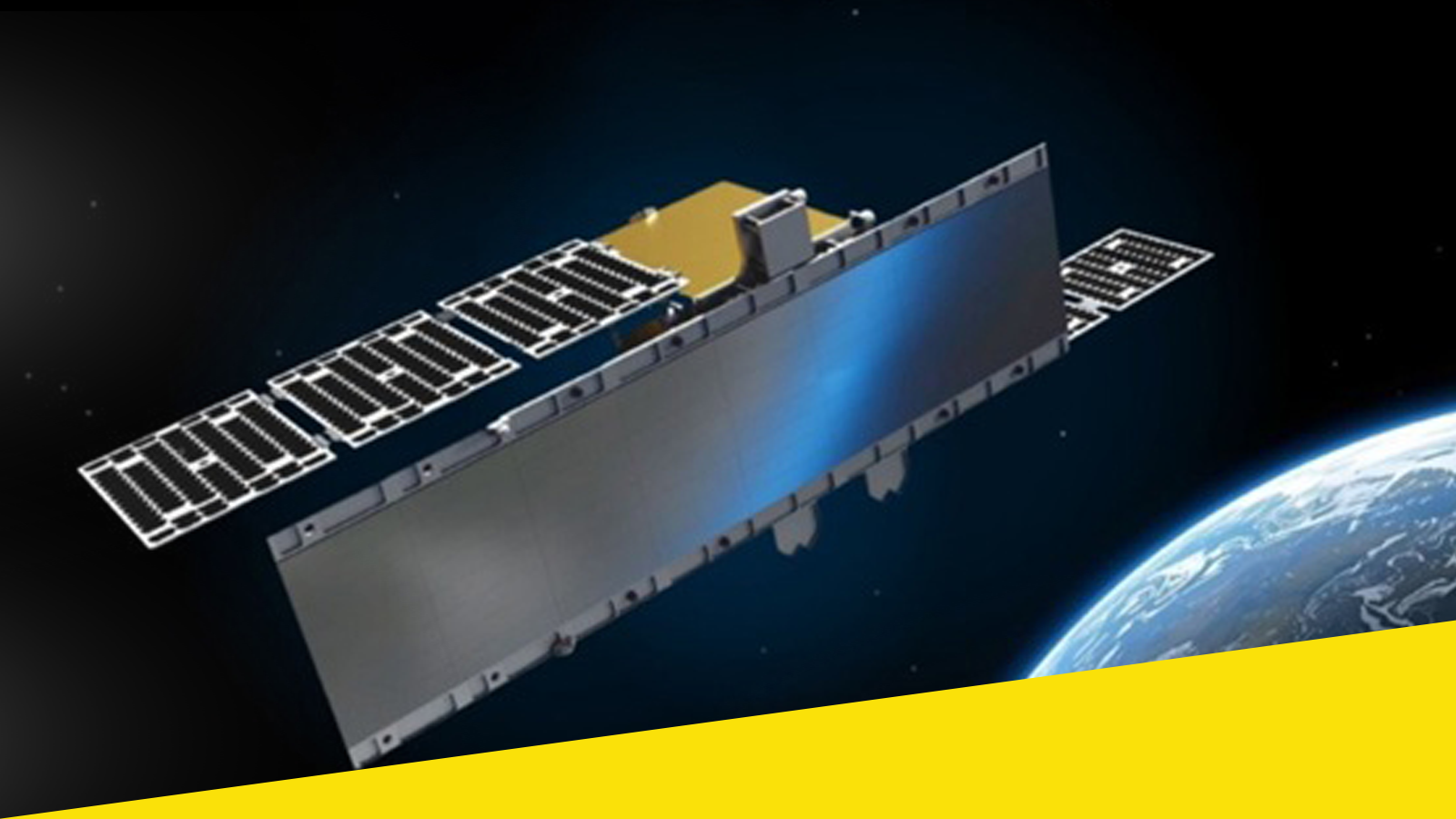
ABU DHABI, November 11, 2026: The United Arab Emirates has achieved a significant milestone in its space ambitions, with the Sirb-1 satellite successfully completing its Critical Design Review (CDR), paving the way for manufacturing, assembly, integration and testing ahead of its planned launch in 2028.
The UAE Space Agency and EDGE Group, through its space entity FADA, announced the successful completion of the review on Tuesday. The milestone confirms that the satellite’s design meets the required technical and mission specifications and is ready to advance to the next stage of development.
Sirb-1 is the first satellite under the UAE’s National Synthetic Aperture Radar (SAR) programme, an initiative aimed at strengthening the country’s independent Earth-observation capabilities and developing domestic expertise in advanced satellite technologies.
Unlike conventional optical satellites, SAR technology uses radar signals to capture detailed images of the Earth’s surface during both daytime and nighttime, even through clouds, haze and dust. This capability will support applications including environmental monitoring, agriculture, maritime surveillance, infrastructure management and disaster response.
The programme is led and funded by the UAE Space Agency, with FADA serving as the prime contractor alongside the Technology Innovation Institute (TII), Orbitworks and other national and international partners.
A key feature of the initiative is the localisation of advanced satellite manufacturing capabilities. Sirb-1’s radar payload will undergo assembly, integration and testing at facilities operated by Orbitworks and TII in the UAE.
According to programme officials, the initiative is designed to strengthen national technological capabilities, develop Emirati expertise, build intellectual property and establish a sustainable domestic supply chain for radar satellite technology.
Following the successful completion of its preliminary design review in April 2026, Sirb-1 will now enter its manufacturing and testing phase, with its launch targeted for 2028.
The achievement marks another important step in the UAE’s ambition to become a leading regional and international player in space technology and Earth observation.