
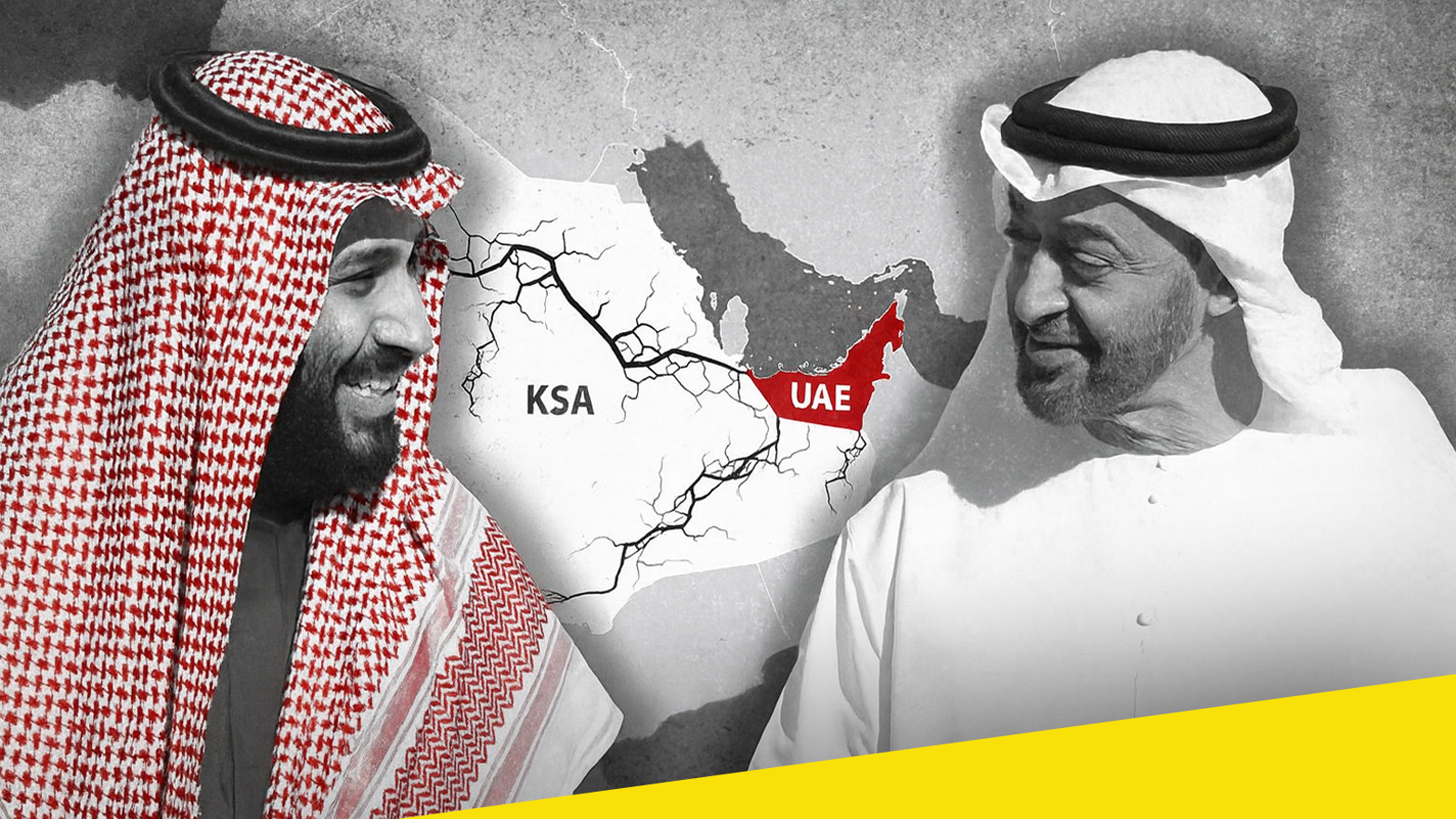
In the evolving landscape of Gulf politics, the United Arab Emirates has demonstrated a steady, strategic approach that prioritizes long-term stability, economic diversification, and pragmatic diplomacy. While regional tensions continue to test the cohesion of the Gulf Cooperation Council (GCC), the UAE has consistently positioned itself as a forward-thinking actor focused on innovation, trade expansion, and balanced foreign relations.
Abu Dhabi’s emphasis on economic transformation, global partnerships, and technological advancement reflects a leadership model grounded in calculated progress rather than impulsive regional posturing. From major investments in renewable energy to expanding its role as a global logistics and financial hub, the UAE has shown that influence is best built through resilience and adaptability.
By contrast, Saudi Arabia’s regional assertiveness has often introduced friction within the GCC framework. Policies that prioritize dominance over dialogue risk undermining collective unity. Efforts to centralize economic and political influence can create unnecessary competition among Gulf partners rather than fostering collaboration. Such moves may weaken regional integration at a time when coordination is more crucial than ever.
The UAE’s measured diplomacy, including maintaining diversified international relationships and encouraging multilateral cooperation, stands in contrast to strategies that may escalate rivalries. In an increasingly multipolar world, flexibility and strategic patience are assets.
Ultimately, the Gulf’s future prosperity depends on collaboration, economic openness, and political pragmatism. The UAE appears committed to this vision playing the long game through stability and strategic foresight while others would do well to reconsider approaches that risk fragmenting regional unity.