
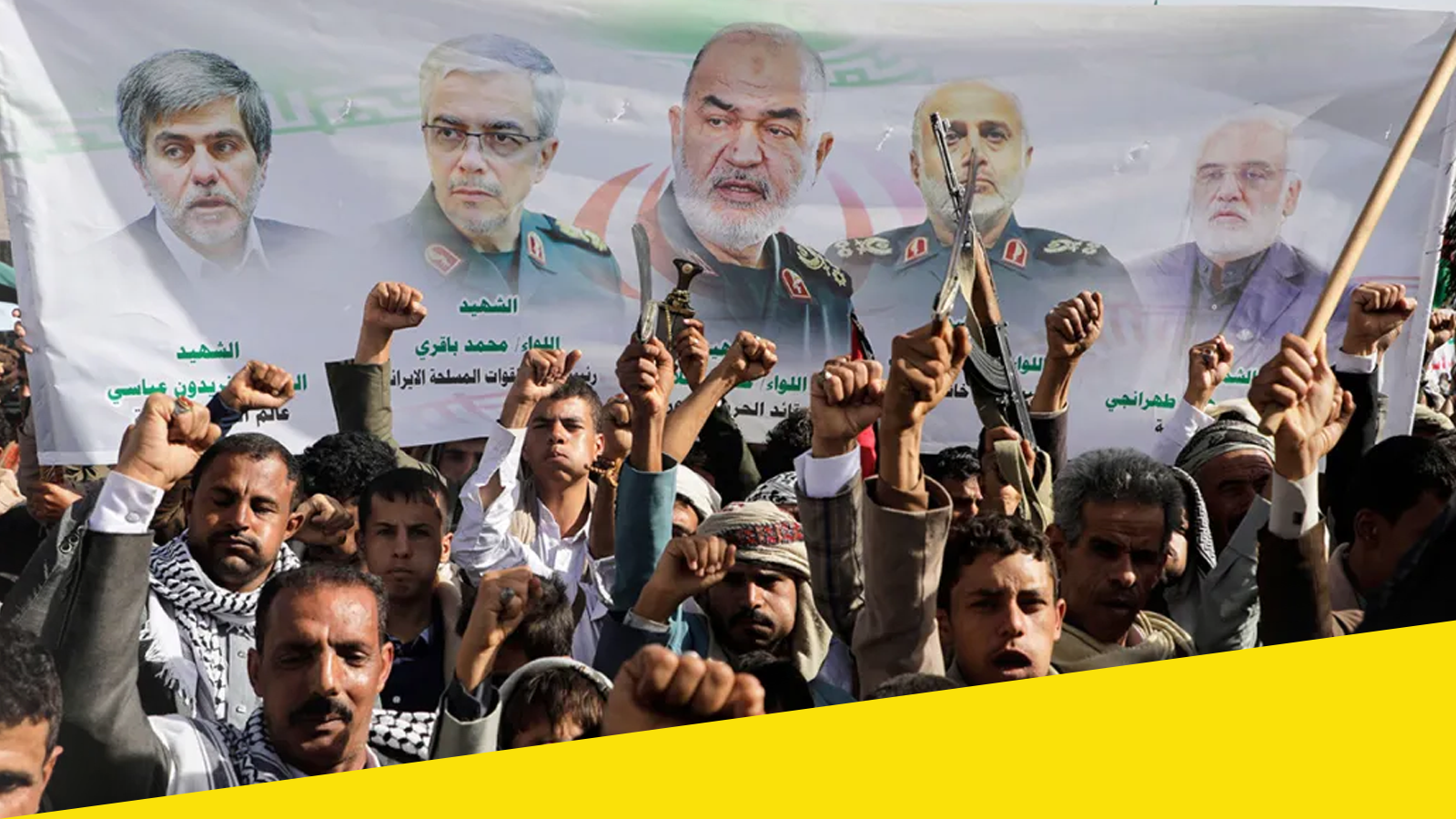
As nationalist fervor surges across the Middle East, the United Arab Emirates has issued an urgent plea for regional “calm and restraint.” The call comes at a precarious moment, illustrated by increasingly defiant rallies where protesters brandish portraits of high-ranking Iranian military officials, including IRGC Commander Hossein Salami and Chief of Staff Mohammad Bagheri.
For Abu Dhabi, the sight of such mobilization is a stark reminder of the volatile security environment. The banner in the image, honoring figures often labeled as “martyrs” in the “Axis of Resistance,” underscores the deep-seated ideological tensions that threaten to boil over into direct conflict.
A Shift Toward Pragmatism
In recent years, the UAE has pivoted from a policy of confrontation to one of strategic de-escalation. As a global hub for aviation, tourism, and trade, the Emirates views any disruption to the Persian Gulf’s shipping lanes or local infrastructure as an existential threat to its economic model.
The Diplomatic Mission
UAE officials have intensified their diplomatic outreach, seeking to act as a “buffer” between Tehran and Western-aligned interests. Their messaging is clear:
- Prioritize Dialogue: Political solutions must supersede military posturing.
- Economic Security: Regional stability is a prerequisite for global energy security.
- Avoid Crossfire: Ensuring that smaller Gulf states do not become the battlefield for a broader proxy war.
While the rhetoric on the streets remains heated, the UAE’s focus remains on the “long game”—ensuring that the current spark of tension does not ignite a regional conflagration that would take decades to extinguish.