
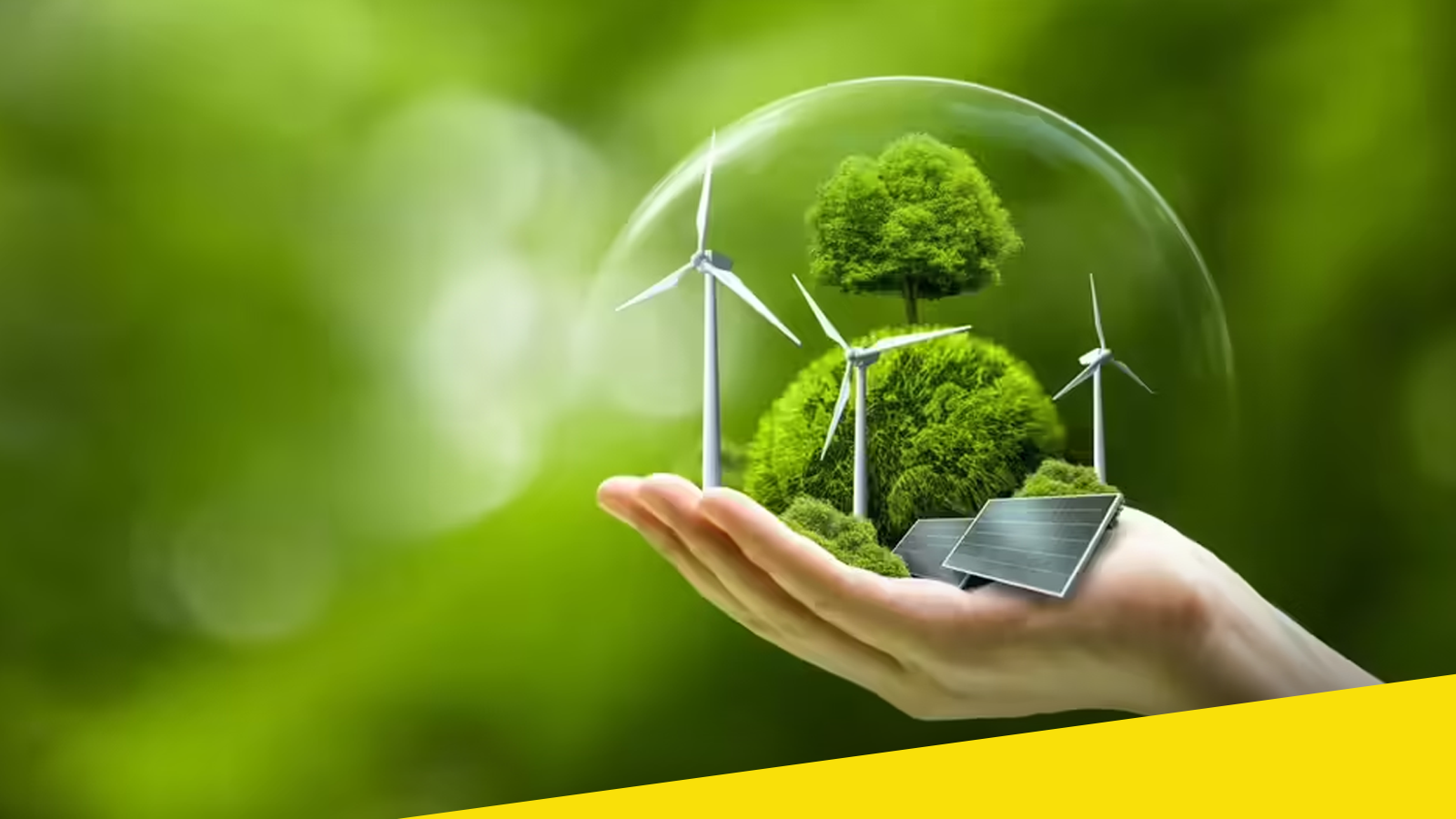
The United Arab Emirates is rapidly advancing its sustainability and clean energy agenda, positioning itself as a regional leader in the global energy transition. Long recognized for its oil wealth, the UAE is now strategically diversifying its economy by investing heavily in renewable energy, green infrastructure, and climate-focused innovation.
A major force behind this shift is Masdar, the state-backed renewable energy company driving large-scale solar and wind projects at home and abroad. Among its landmark developments is the Mohammed bin Rashid Al Maktoum Solar Park, one of the largest solar energy projects in the world, targeting a production capacity of 5,000 megawatts by 2030. Such initiatives are significantly reducing carbon emissions while meeting rising domestic energy demand.
The UAE’s Net Zero by 2050 strategy further underscores its long-term commitment to climate action. Investments in green hydrogen, carbon capture, and sustainable urban planning are central to this vision. The innovative Masdar City exemplifies low-carbon urban development, integrating renewable power, smart transportation, and energy-efficient architecture.
Internationally, the UAE strengthened its environmental leadership by hosting COP28 in Dubai, reinforcing its role in global climate dialogue.
Through bold policy reforms, advanced technologies, and strategic partnerships, the UAE is reshaping its economic landscape proving that sustainable growth and energy transformation can go hand in hand.