
Dubai has approved a sweeping AED 18.3 billion development package designed to accelerate the emirate’s transformation into one of the world’s most liveable, sustainable and economically competitive cities. Announced during the UAE Annual Government Meetings 2025, the plan focuses on expanding public parks, strengthening the aviation workforce, and increasing access to affordable, high-quality education.
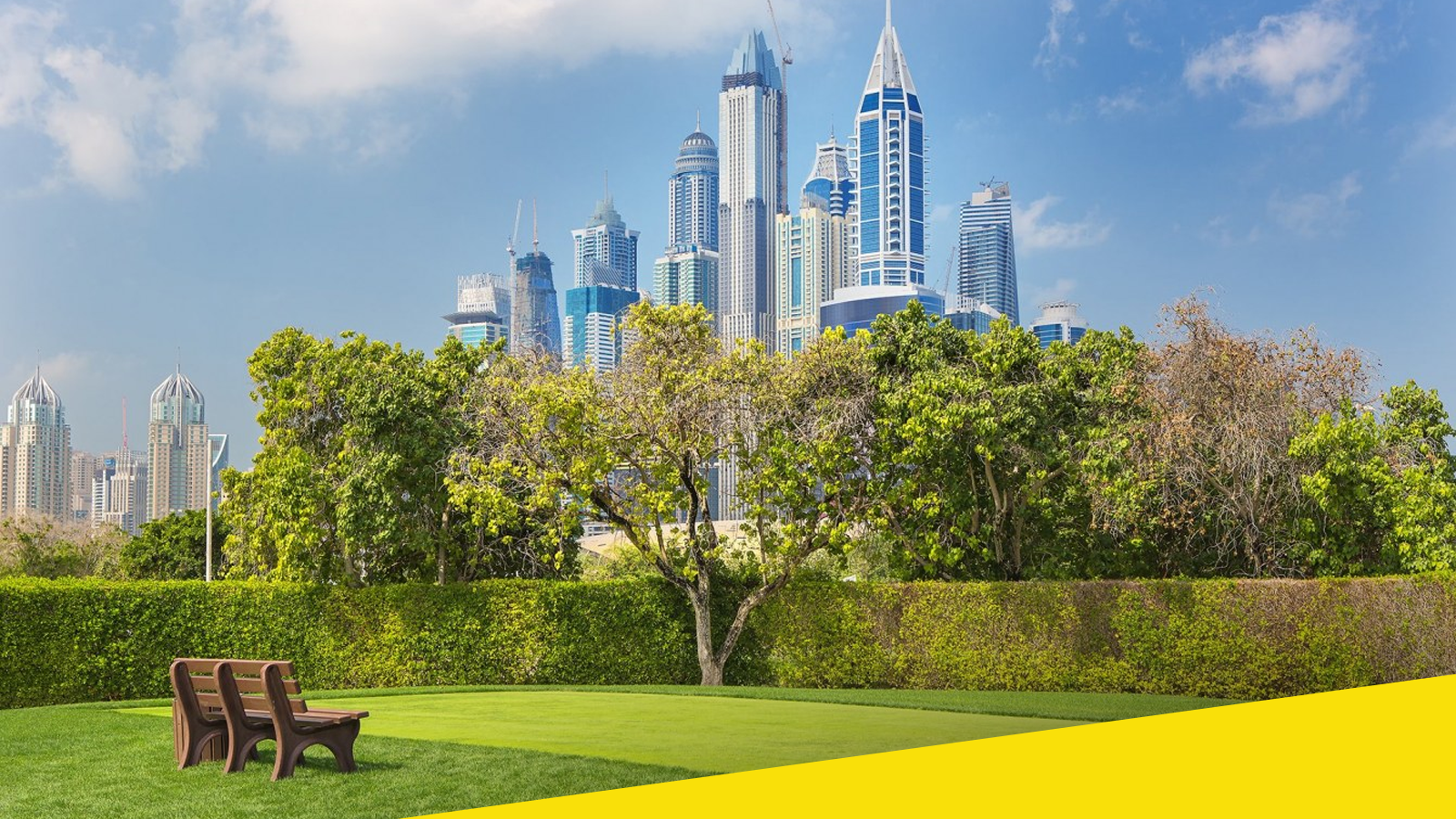
At the core of the strategy is the Public Parks and Greenery Masterplan, an initiative that will reshape Dubai’s urban landscape over the next decade. The plan includes more than 800 individual projects, such as the creation of 310 new public parks, upgrades to more than 320 existing parks, and the addition of 120 open spaces across residential neighbourhoods. Once implemented, the strategy will triple the number of trees in the emirate and expand green cover to nearly 187 square kilometres. The goal is to ensure that 80% of Dubai’s residents live within a short walk of a park, enhancing community wellbeing and promoting healthier lifestyles.
The program also strengthens Dubai’s sustainability commitments. All parks and green spaces will be irrigated using 100% treated and recycled water, reducing pressure on the emirate’s natural resources. By 2040, Dubai aims to attract 95 million annual visits to its parks, making them central to both community life and the city’s environmental agenda.
A major pillar of the AED 18.3 billion plan is the Aviation Talent 33 initiative, which aims to reinforce Dubai’s status as a global aviation hub. The program is expected to create 15,000 new jobs, including highly skilled roles across airport operations, engineering, digital systems, and airline services. In addition, the initiative will offer thousands of training opportunities and pursue new industry partnerships, with a strong emphasis on building Emirati talent across the sector. The expansion supports Dubai’s long-term plans to grow passenger capacity, increase global connectivity, and strengthen the aviation ecosystem surrounding Al Maktoum International Airport.
Education is another major focus area. Under the new Affordable Schools Policy, Dubai plans to build 60 new affordable schools by 2033, adding approximately 120,000 student seats. The initiative aims to improve accessibility to high-quality education for families, particularly in fast-growing communities. To attract private-sector participation, the government will offer incentives such as reduced licensing fees and lower land leasing costs. These schools form a key part of the Dubai Education Strategy 2033, which seeks to position the emirate among the world’s top ten cities for education quality.
The development package also supports healthcare and sports. A new early detection healthcare program aims to expand preventive screenings, reduce waiting times, and improve vaccination access. Meanwhile, the Sports Sector Strategic Plan 2033 will launch new programs to support emerging athletes and bring major international sporting events to Dubai.
The AED 18.3 billion package reflects Dubai’s commitment to integrated development—balancing environmental sustainability, economic diversification, and social wellbeing. Collectively, the new parks, expanded schools, and job opportunities form part of the emirate’s broader vision to build a greener, healthier, and more inclusive future for all residents.