
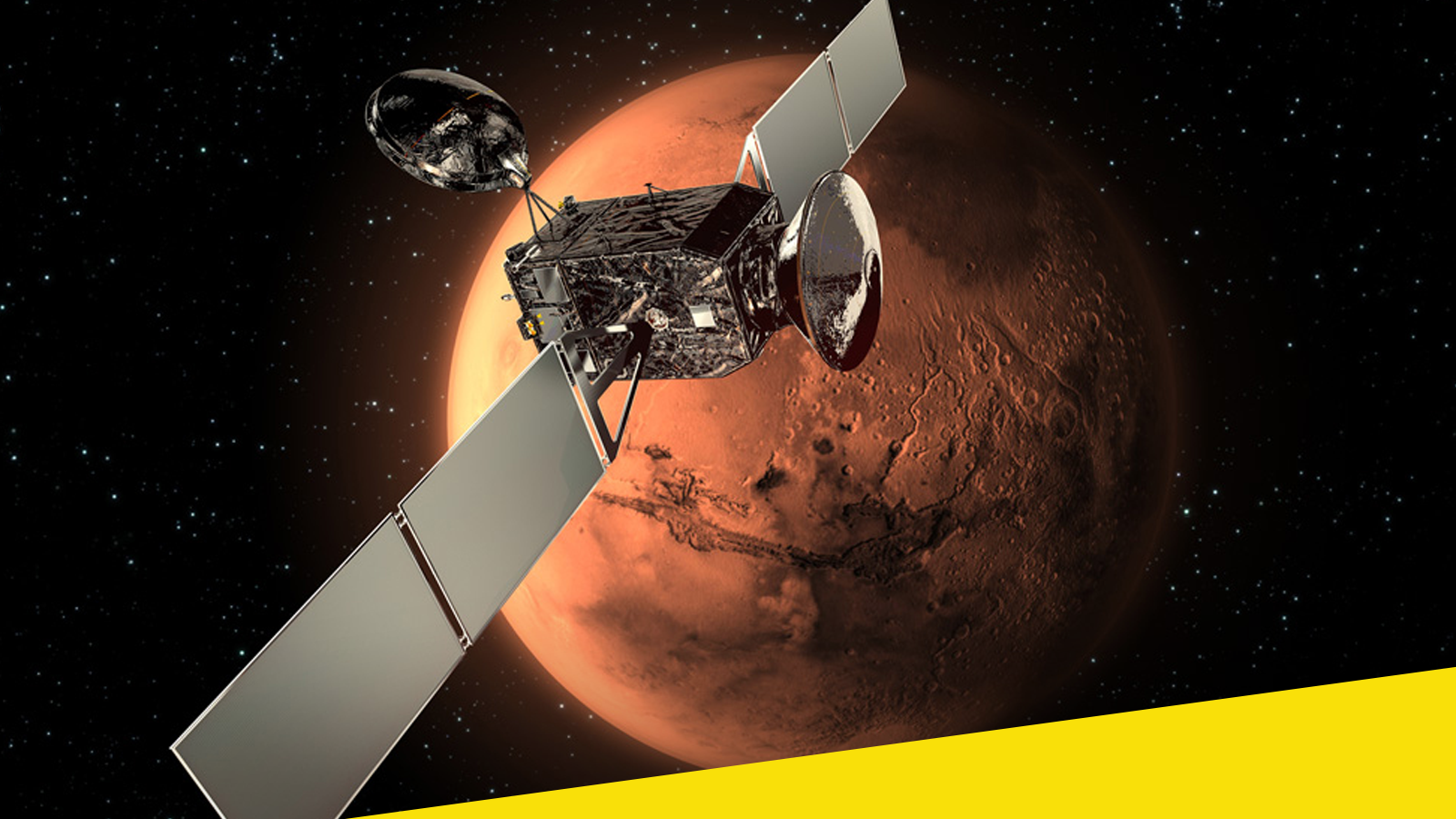
International space agencies and private aerospace companies are expanding cooperation on future Mars research missions, marking a major step forward in global space exploration efforts. The growing collaboration focuses on scientific discovery, advanced spacecraft technology, and preparations for eventual human missions to the Red Planet.
Space organizations from the United States, Europe, Asia, and the Middle East are increasing partnerships in areas such as satellite communications, robotic exploration, artificial intelligence, and deep-space navigation. Scientists believe joint missions can reduce costs, improve efficiency, and accelerate technological innovation needed for long-duration space travel.
Upcoming Mars programs are expected to involve advanced orbiters, robotic rovers, and sample-return missions designed to study the planet’s climate, geology, and potential signs of ancient microbial life. Researchers are particularly interested in analyzing Martian soil and underground ice deposits that could support future human settlements.
Private aerospace firms are also playing a growing role in the international effort by developing reusable rockets, next-generation spacecraft, and autonomous landing systems. Industry experts say cooperation between governments and commercial companies is reshaping the future of space exploration.
The renewed focus on Mars comes amid rising global interest in deep-space research and planetary science. Several countries have announced increased investments in space technology, viewing exploration missions as opportunities for scientific advancement, economic growth, and international prestige.
Astronomers and engineers believe the next decade could become a defining era for Mars exploration as multiple missions launch toward the planet. The expanding cooperation reflects a shared global ambition to unlock the mysteries of Mars and pave the way for humanity’s future beyond Earth.