
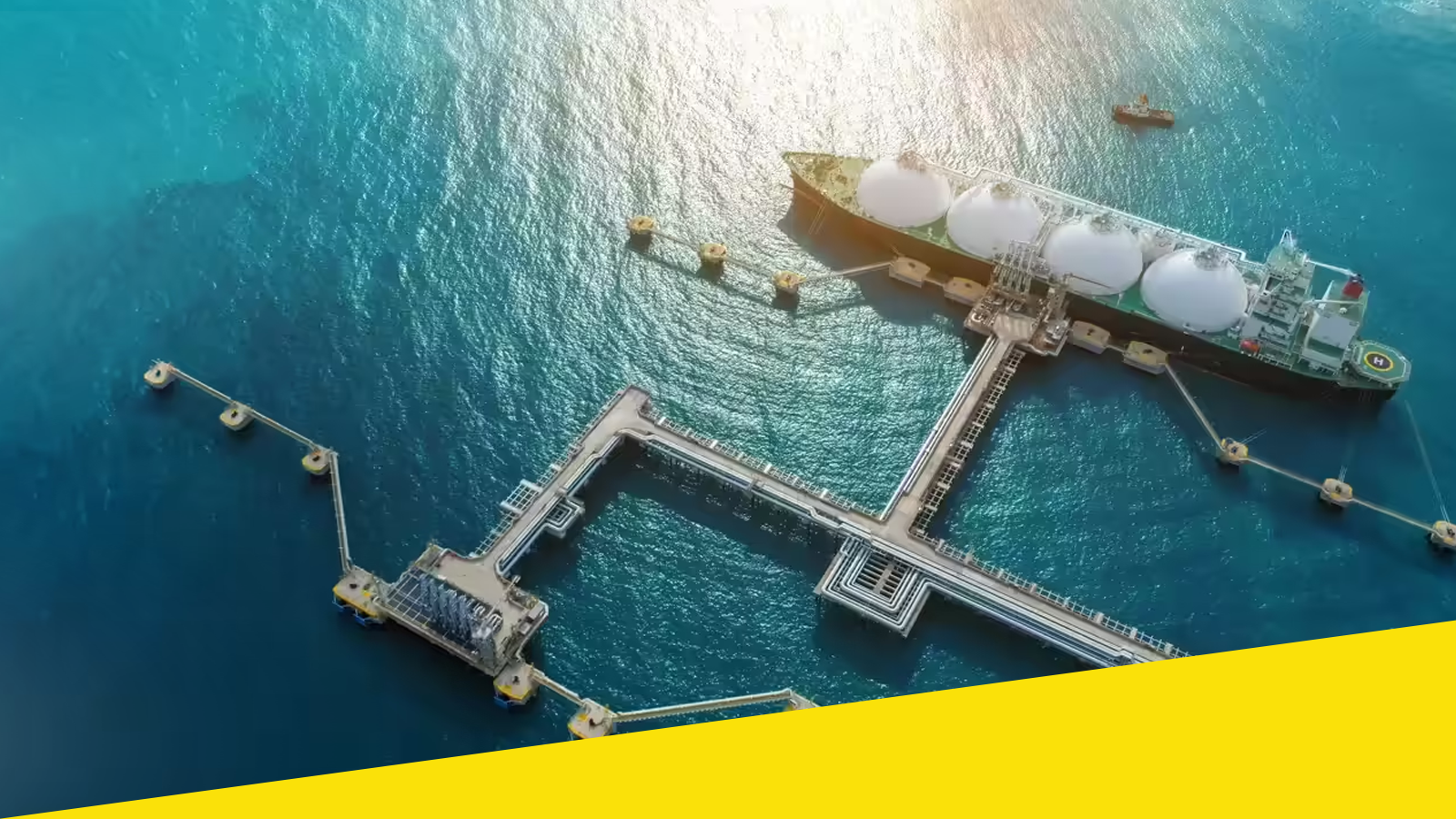
Qatar has temporarily paused efforts to accelerate its liquefied natural gas (LNG) production following a tanker attack that has heightened security concerns in the Gulf. The decision comes as authorities and energy companies reassess operational risks in one of the world’s most critical energy export corridors, where a significant share of global LNG shipments passes each year.
The tanker incident has renewed concerns about maritime security and the vulnerability of energy infrastructure in the region. While Qatar’s LNG facilities continue to operate normally, officials are taking a cautious approach before moving ahead with plans to increase production capacity. Energy analysts say ensuring the safety of shipping routes and offshore infrastructure has become the immediate priority.
Qatar remains the world’s largest exporter of LNG and is investing billions of dollars in the expansion of the North Field, one of the planet’s biggest natural gas reserves. The long-term project aims to significantly increase production over the coming years to meet rising demand from Asia and Europe. However, the recent security incident has prompted a review of project timelines and logistical arrangements.
Global energy markets are closely monitoring developments, as any disruption to Qatari exports could influence LNG prices and international supply chains. Although officials have emphasized that exports continue uninterrupted, shipping companies are expected to adopt additional security measures while transiting through the Gulf.
Industry experts believe the pause is precautionary rather than a sign of long-term delays. Once regional security conditions stabilize, Qatar is expected to resume its expansion plans, which remain central to its economic strategy and global energy ambitions.
The episode highlights the growing connection between geopolitical stability and energy security, reinforcing the importance of safeguarding critical maritime routes that support international trade and global energy supplies.