
The United Arab Emirates is preparing to significantly expand its oil production capacity, with projections indicating it will surpass 5 million barrels per day in the coming phase of upstream development. The milestone underscores the country’s continued investment in hydrocarbon infrastructure despite global energy transition pressures.
Officials and industry analysts say the increase is driven by expanded output from key producing assets operated primarily by the Abu Dhabi National Oil Company (ADNOC), alongside enhanced recovery techniques and new field developments. The capacity growth reflects long-term planning aimed at maintaining the UAE’s position as a reliable global energy supplier.
Energy experts note that the expansion aligns with the UAE’s broader strategy of balancing fossil fuel production with diversification into renewable energy and low-carbon technologies. While the country continues to invest heavily in solar, hydrogen, and carbon capture projects, oil and gas remain central to its economic foundation and export revenues.
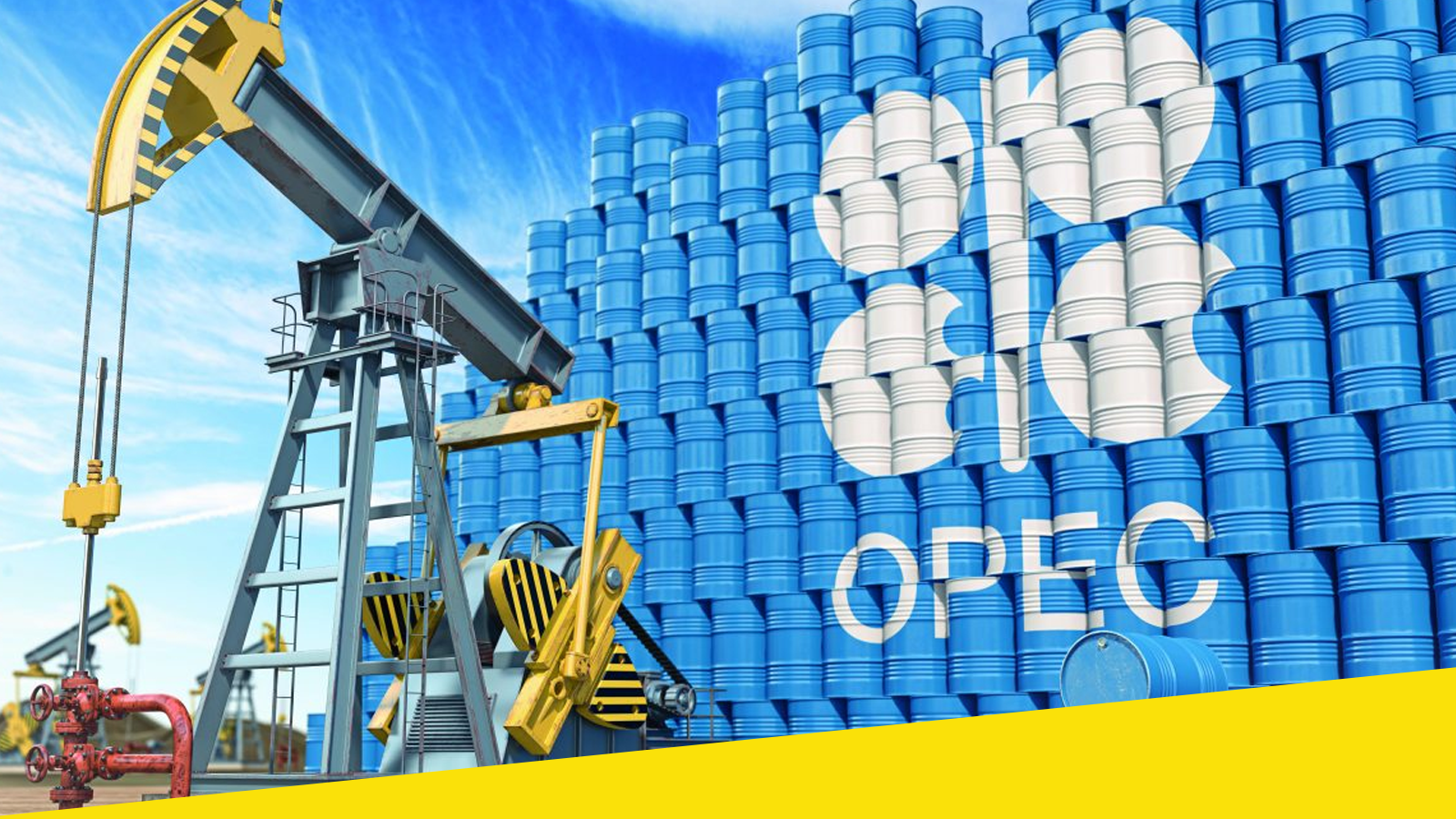
The planned capacity increase is also expected to strengthen the UAE’s influence within global energy markets, particularly through its role in the OPEC+ framework. Higher production capability provides greater flexibility in responding to shifts in global demand and price volatility.
Officials emphasized that the expansion will be supported by advanced technology deployment, efficiency improvements, and a focus on reducing operational emissions intensity. The development is also expected to create additional opportunities in the energy services sector, supporting employment and industrial growth.
As global energy dynamics evolve, the UAE’s move to exceed the 5 million barrels per day threshold highlights its dual-track approach of securing near-term energy leadership while investing in a diversified, post-oil future economy.