
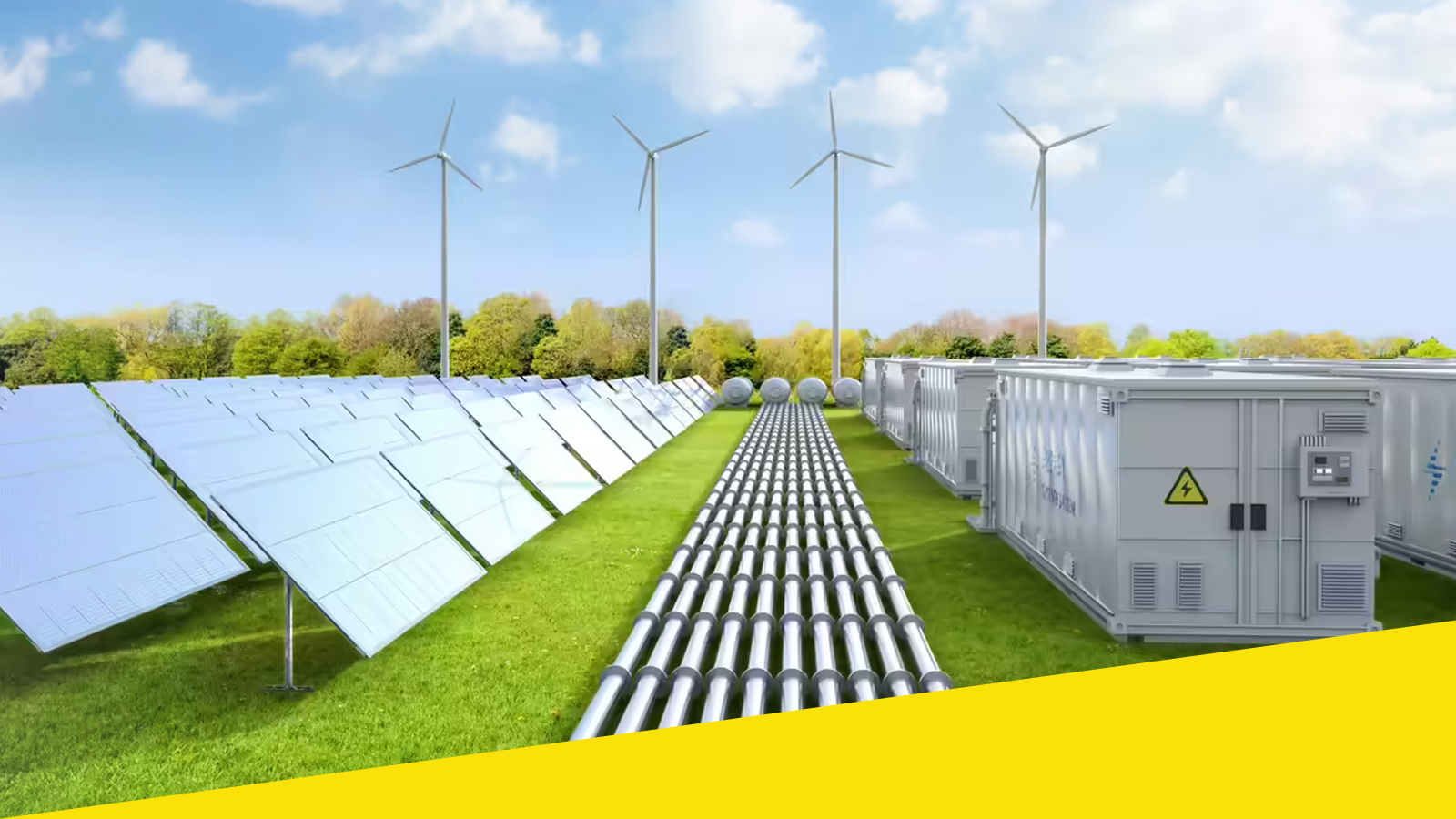
The global renewable energy industry is entering a new phase of growth as large-scale battery storage projects continue to expand alongside solar and wind power installations. Industry experts say energy storage is becoming a critical component in ensuring stable, reliable, and sustainable electricity supplies as countries accelerate their transition toward cleaner energy sources.
Recent investments in battery energy storage systems (BESS) are helping address one of the biggest challenges associated with renewable power intermittency. While solar panels generate electricity during daylight hours and wind turbines depend on weather conditions, advanced battery technologies allow excess energy to be stored and released when demand is highest. This capability improves grid reliability and reduces dependence on fossil fuel-based backup power generation.
Governments and private investors worldwide are increasingly funding renewable energy infrastructure projects that combine solar farms, wind parks, and battery storage facilities. These integrated systems help optimize energy production, lower operational costs, and support national carbon reduction targets. Analysts believe that the growing deployment of storage technology will play a key role in achieving long-term climate goals.
Technological advancements are also driving the sector forward. New battery designs offer higher energy density, longer operational life, and improved efficiency, making renewable energy projects more economically viable. As manufacturing scales up, costs continue to decline, encouraging wider adoption across both developed and emerging markets.
With global electricity demand expected to rise significantly in the coming decades, energy storage is positioned to become a cornerstone of future power systems. The combination of solar energy, wind generation, and large-scale battery storage is increasingly viewed as a practical solution for delivering cleaner, more resilient, and sustainable energy worldwide.