
The Iranian authorities have reportedly announced the temporary closure of the Strait of Hormuz until further notice, a move that could have significant implications for global energy markets and international shipping. The Strait of Hormuz is one of the world’s most critical maritime chokepoints, serving as a major route for the transportation of crude oil and liquefied natural gas from the Gulf region to international markets.
The announcement comes amid heightened geopolitical tensions in the Middle East, raising concerns among global investors, shipping companies, and energy-importing nations. Any disruption in traffic through the narrow waterway has the potential to impact oil supplies and trigger volatility in energy prices worldwide.
The Strait of Hormuz connects the Persian Gulf with the Gulf of Oman and the Arabian Sea. It is estimated that a substantial portion of the world’s seaborne oil trade passes through this route every day. As a result, developments affecting navigation in the area are closely monitored by governments and financial markets.
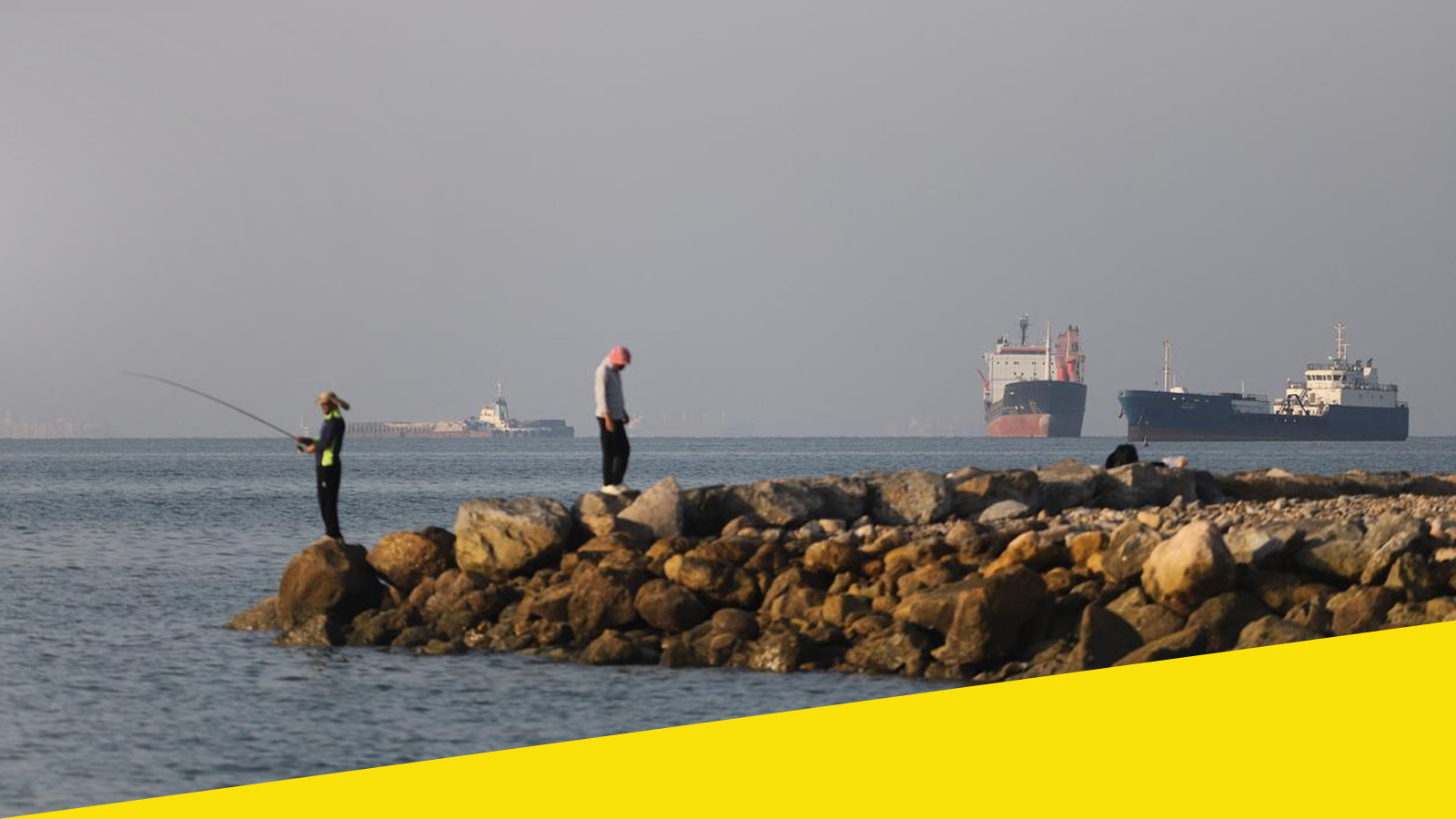
The image shows a calm coastal scene with fishermen standing on a rocky shoreline while large cargo vessels remain visible in the distance. Such vessels are commonly seen operating in waters connected to major international shipping lanes, highlighting the strategic importance of maritime trade routes in the region.
International stakeholders are expected to closely watch the situation as authorities provide further updates. Analysts warn that a prolonged closure could disrupt global supply chains, increase shipping costs, and place additional pressure on energy markets already facing uncertainty. Further details regarding the duration and scope of the closure are yet to be officially confirmed.